Laboratories

Food ScienceFood ScienceFood ScienceFood ScienceFood ScienceFood ScienceFood ScienceFood ScienceFood Science

Food Science

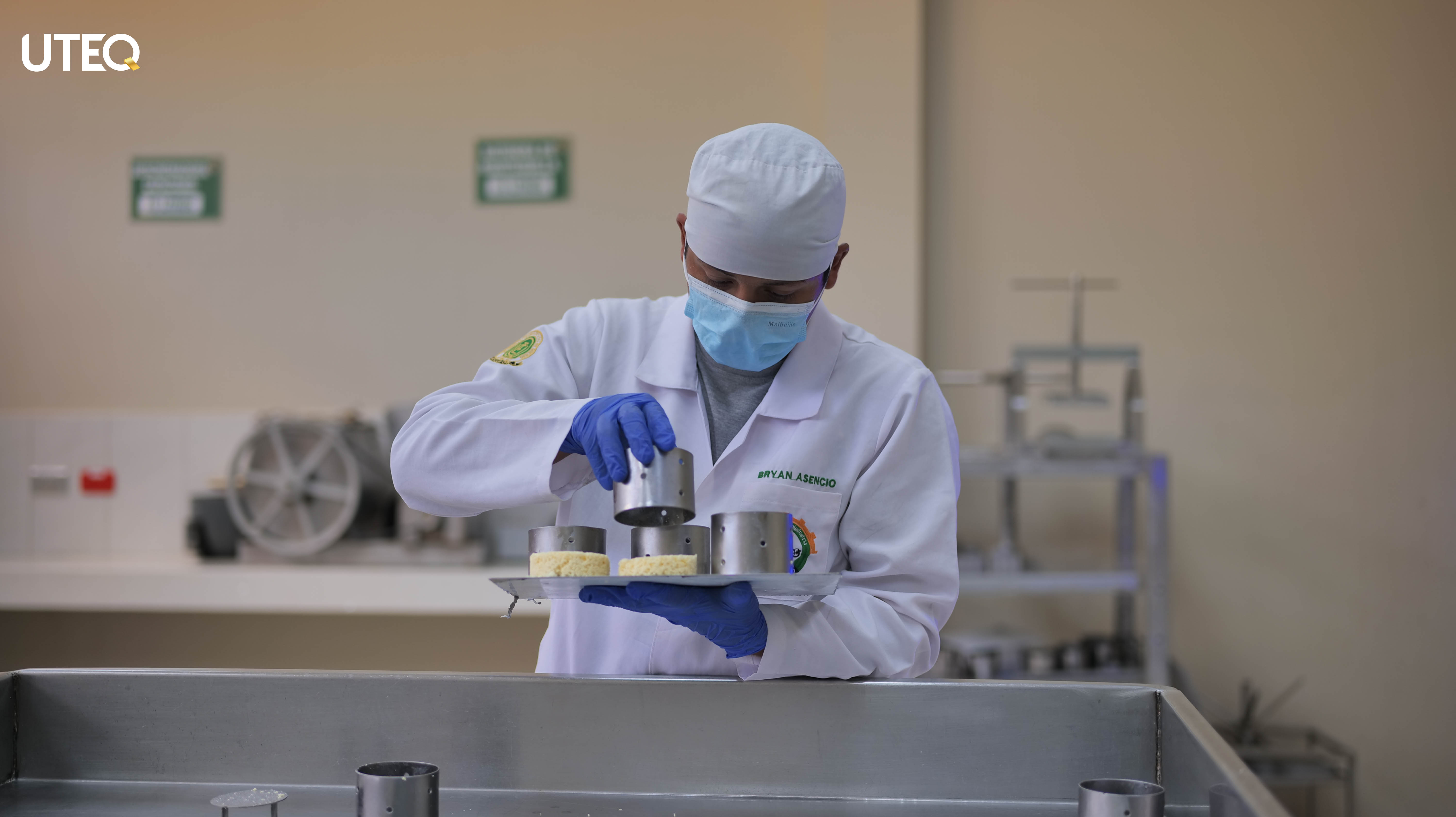
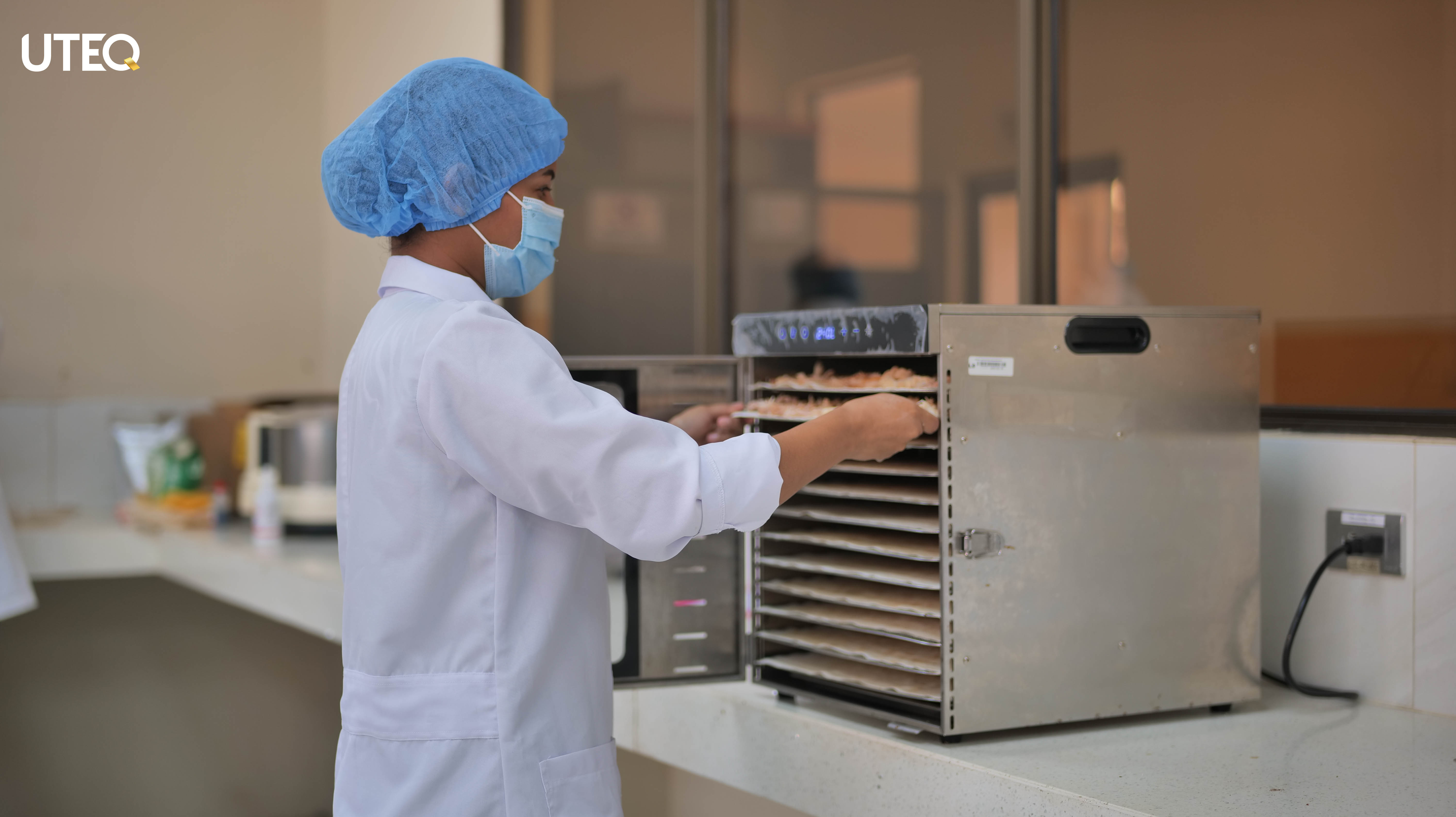
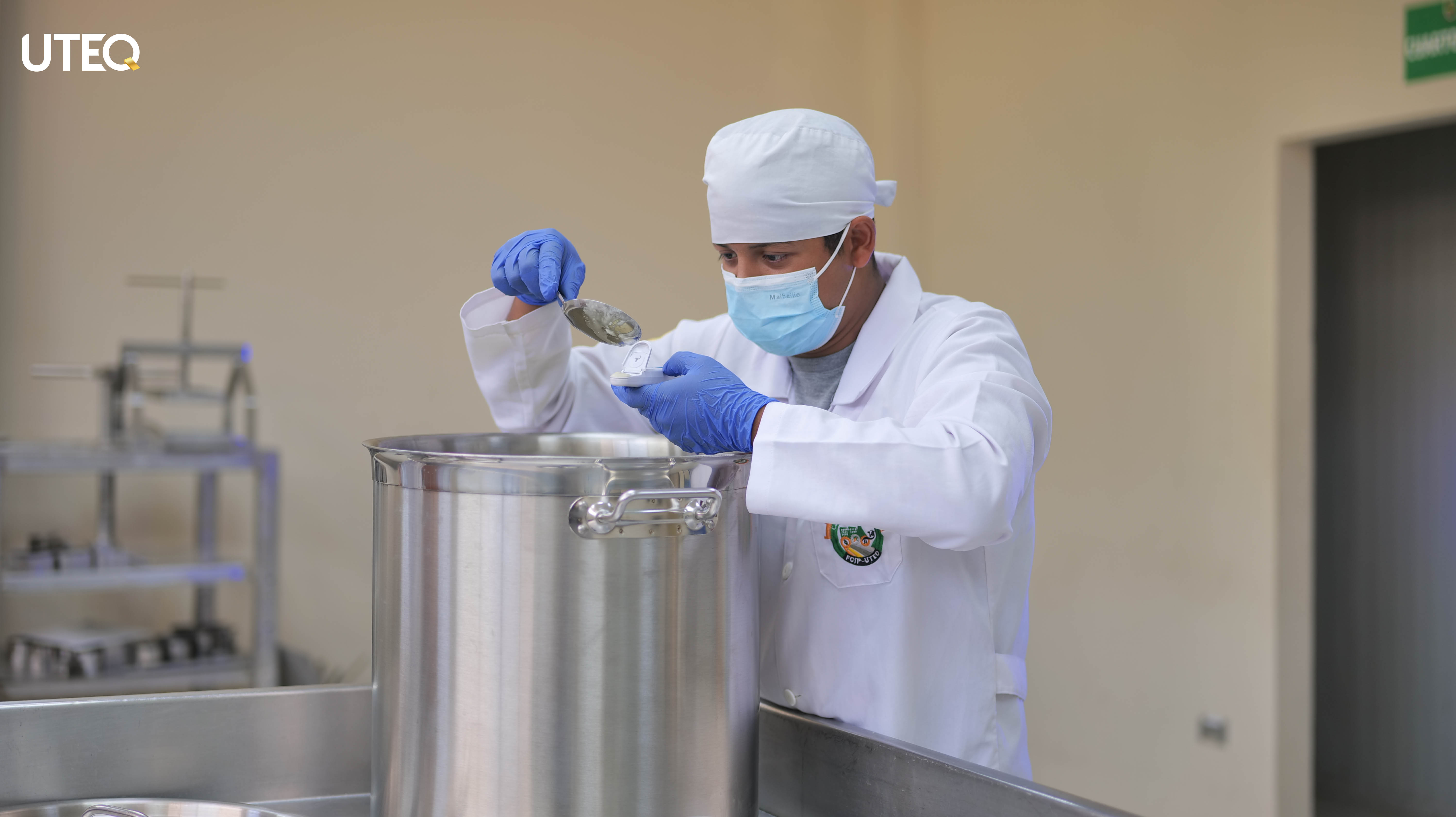
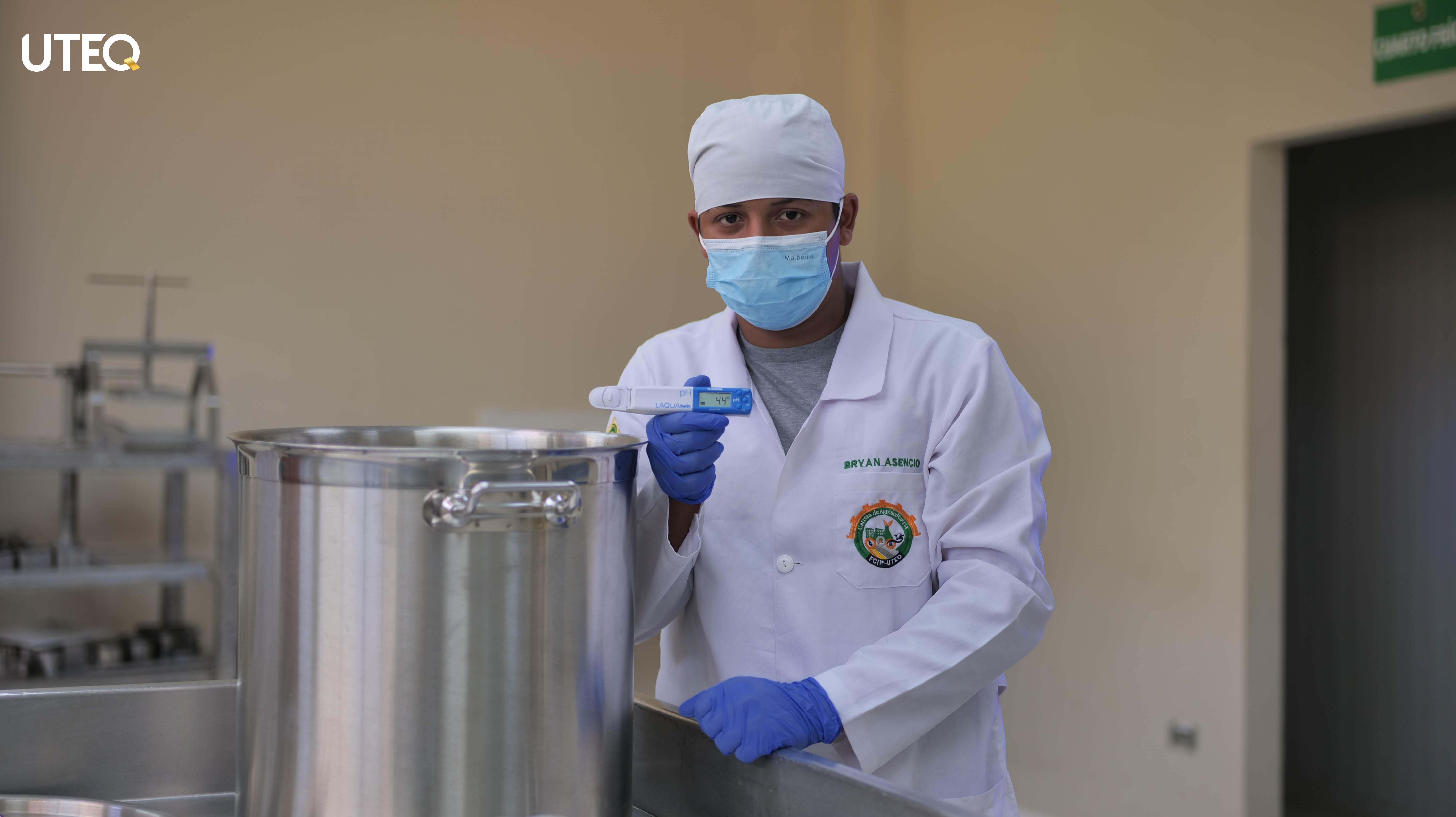
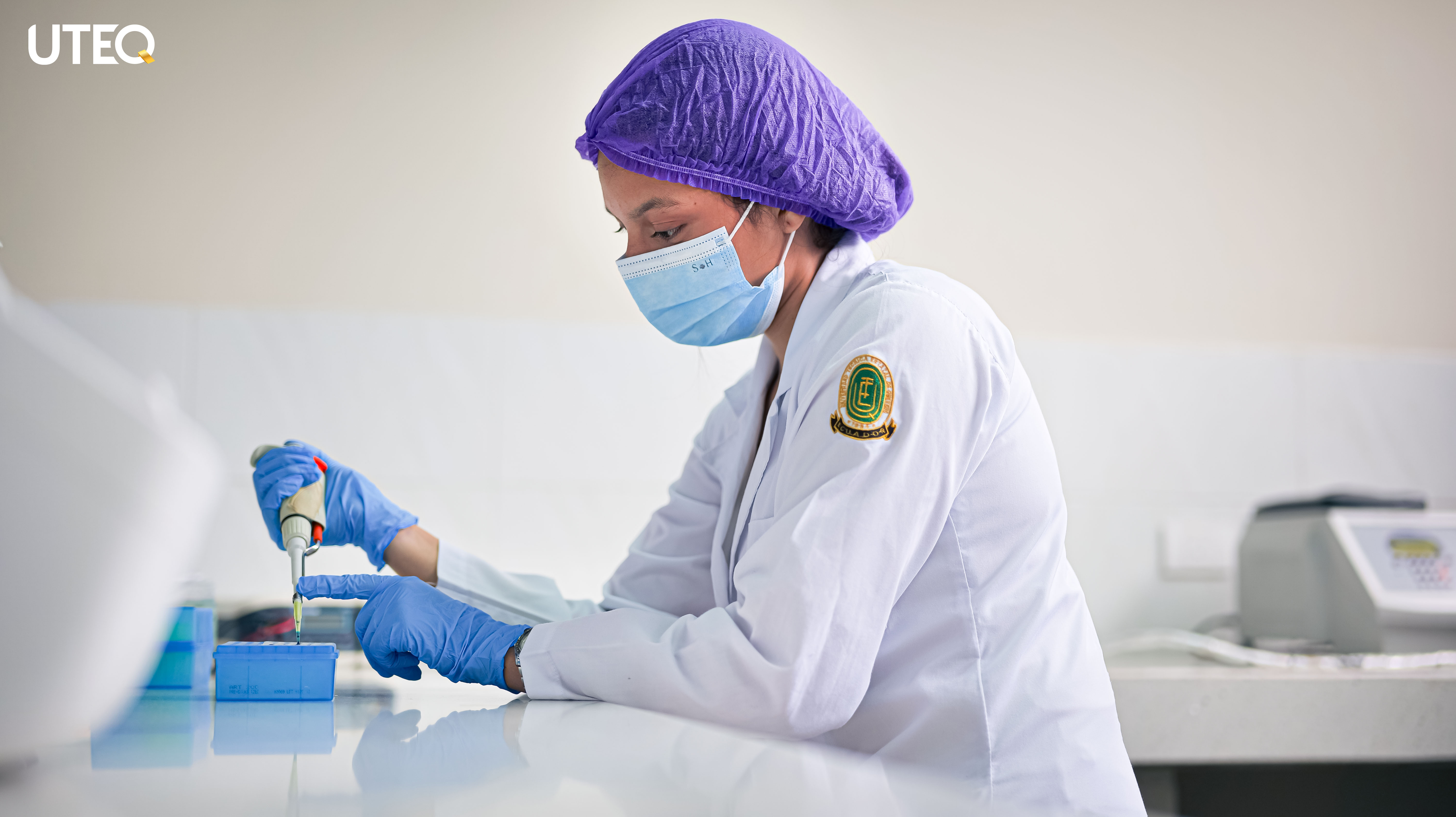
The Laboratory is a space dedicated to academic and research activities focused on the analysis and evaluation of food quality and safety.
BiotechnologyBiotechnologyBiotechnologyBiotechnologyBiotechnologyBiotechnologyBiotechnology

Biotechnology

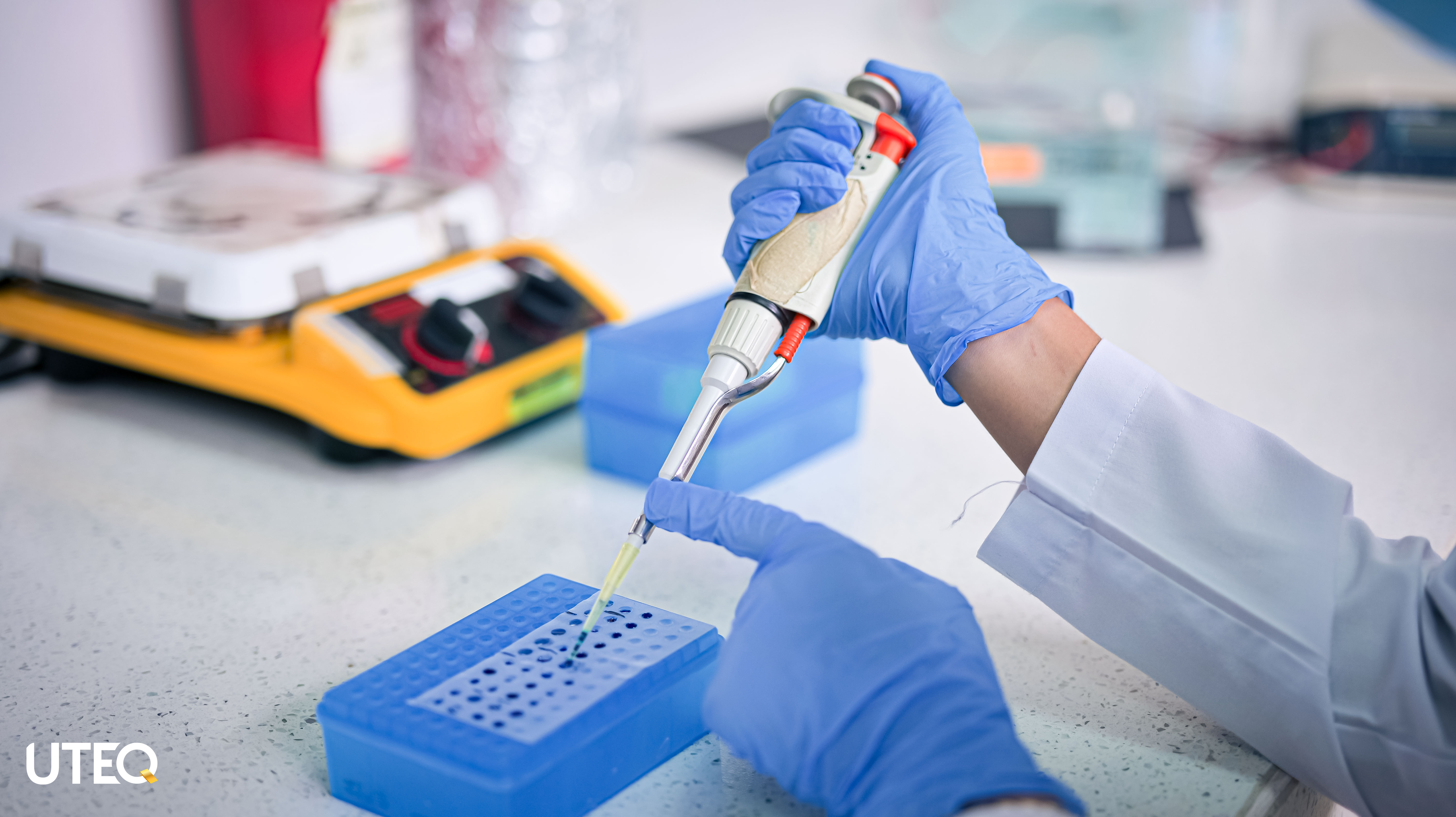
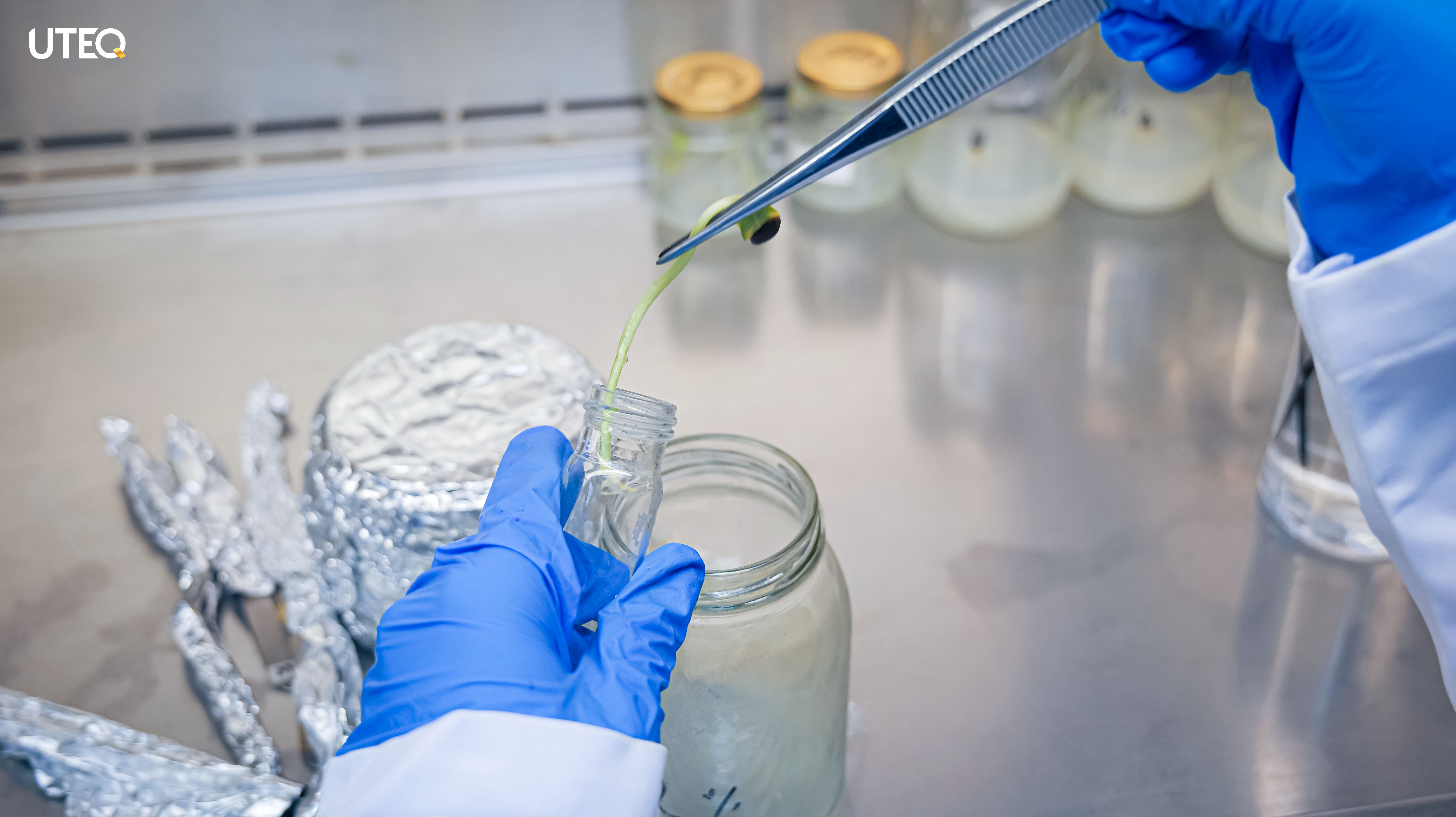
It has the areas of Plant Tissue Culture, Microbiology and Molecular Biology (LAB-DICYT).

Unit OperationsUnit OperationsUnit OperationsUnit OperationsUnit OperationsUnit OperationsUnit OperationsUnit OperationsUnit OperationsUnit OperationsUnit OperationsUnit OperationsUnit OperationsUnit OperationsUnit OperationsUnit OperationsUnit Operations

Unit Operations

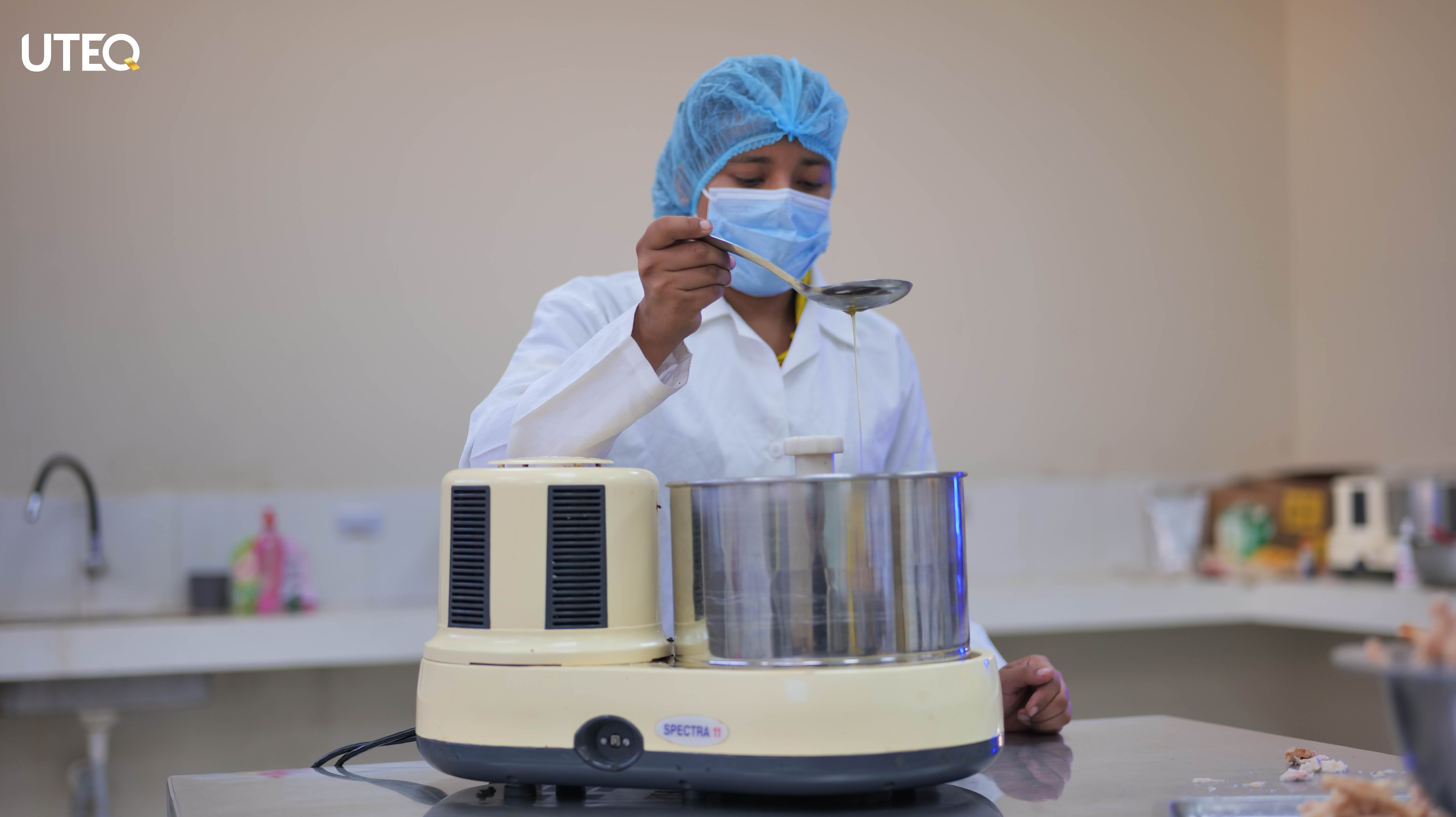
It is a space dedicated to the practical application of fundamental engineering principles, where various physical and physicochemical processes used in the transformation and processing of raw materials are studied and tested.

Experimental AquacultureExperimental AquacultureExperimental AquacultureExperimental AquacultureExperimental AquacultureExperimental AquacultureExperimental AquacultureExperimental AquacultureExperimental AquacultureExperimental AquacultureExperimental AquacultureExperimental AquacultureExperimental AquacultureExperimental AquacultureExperimental AquacultureExperimental AquacultureExperimental AquacultureExperimental AquacultureExperimental AquacultureExperimental AquacultureExperimental AquacultureExperimental AquacultureExperimental AquacultureExperimental AquacultureExperimental AquacultureExperimental Aquaculture

Experimental Aquaculture

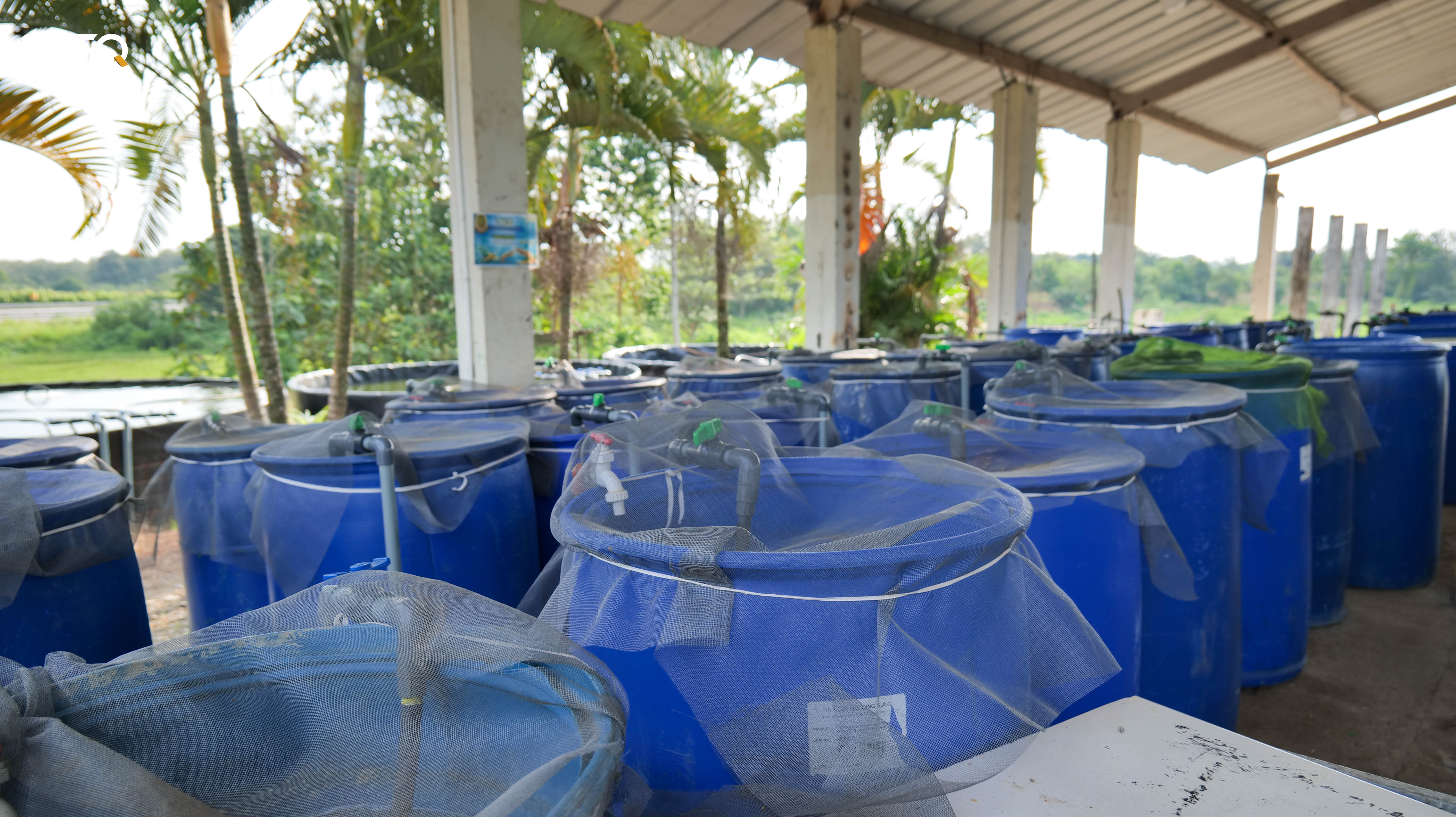
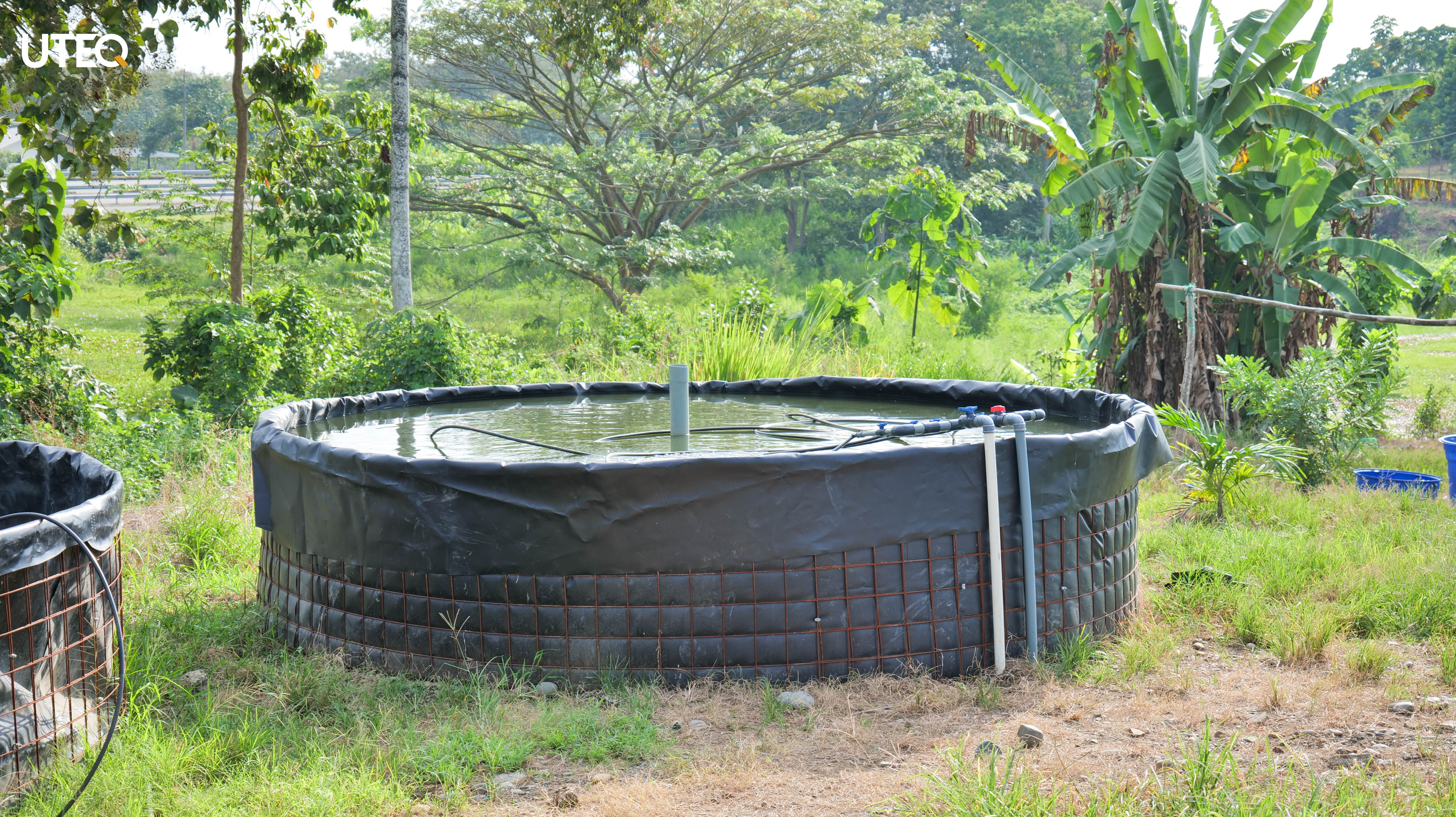
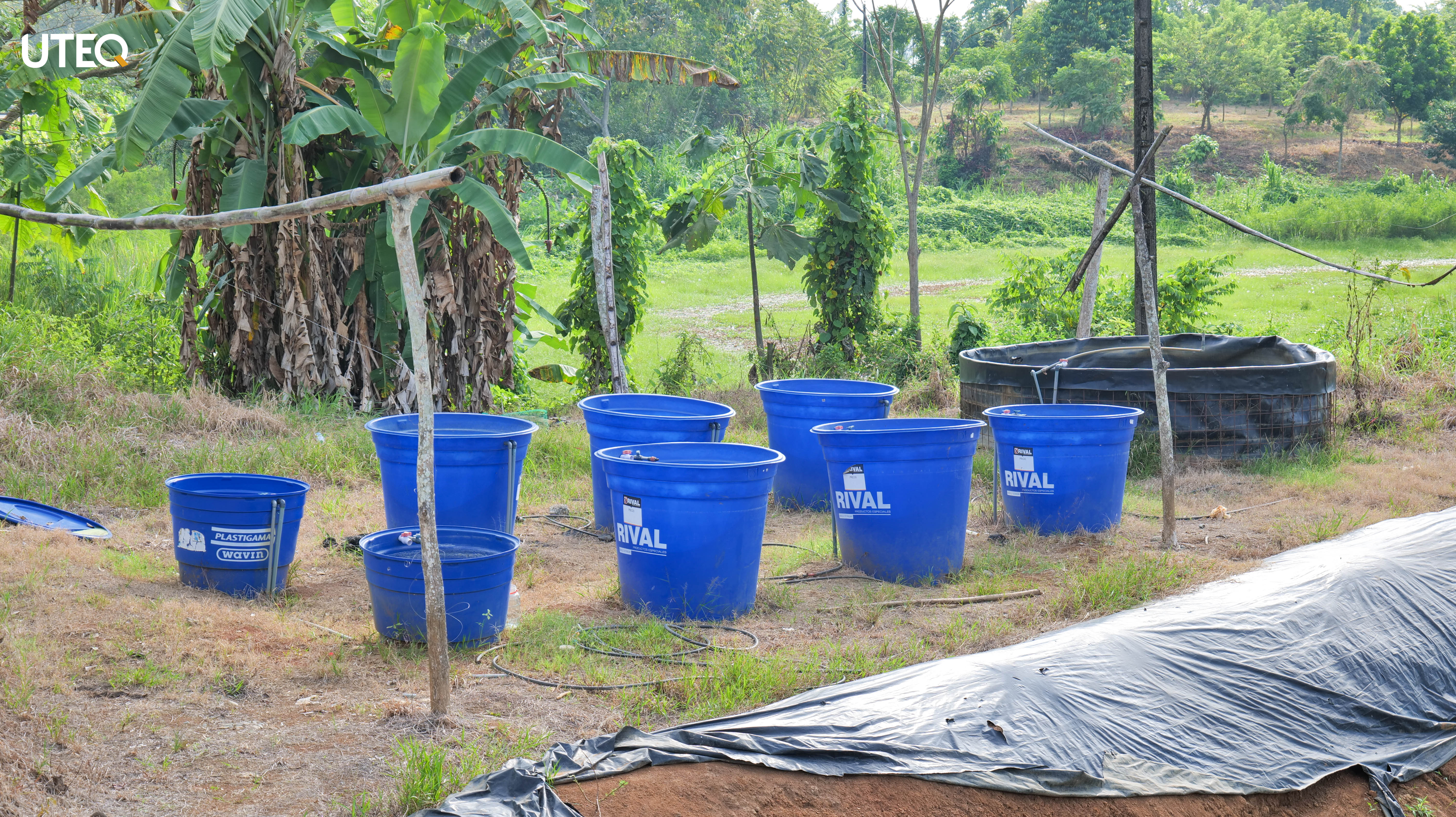
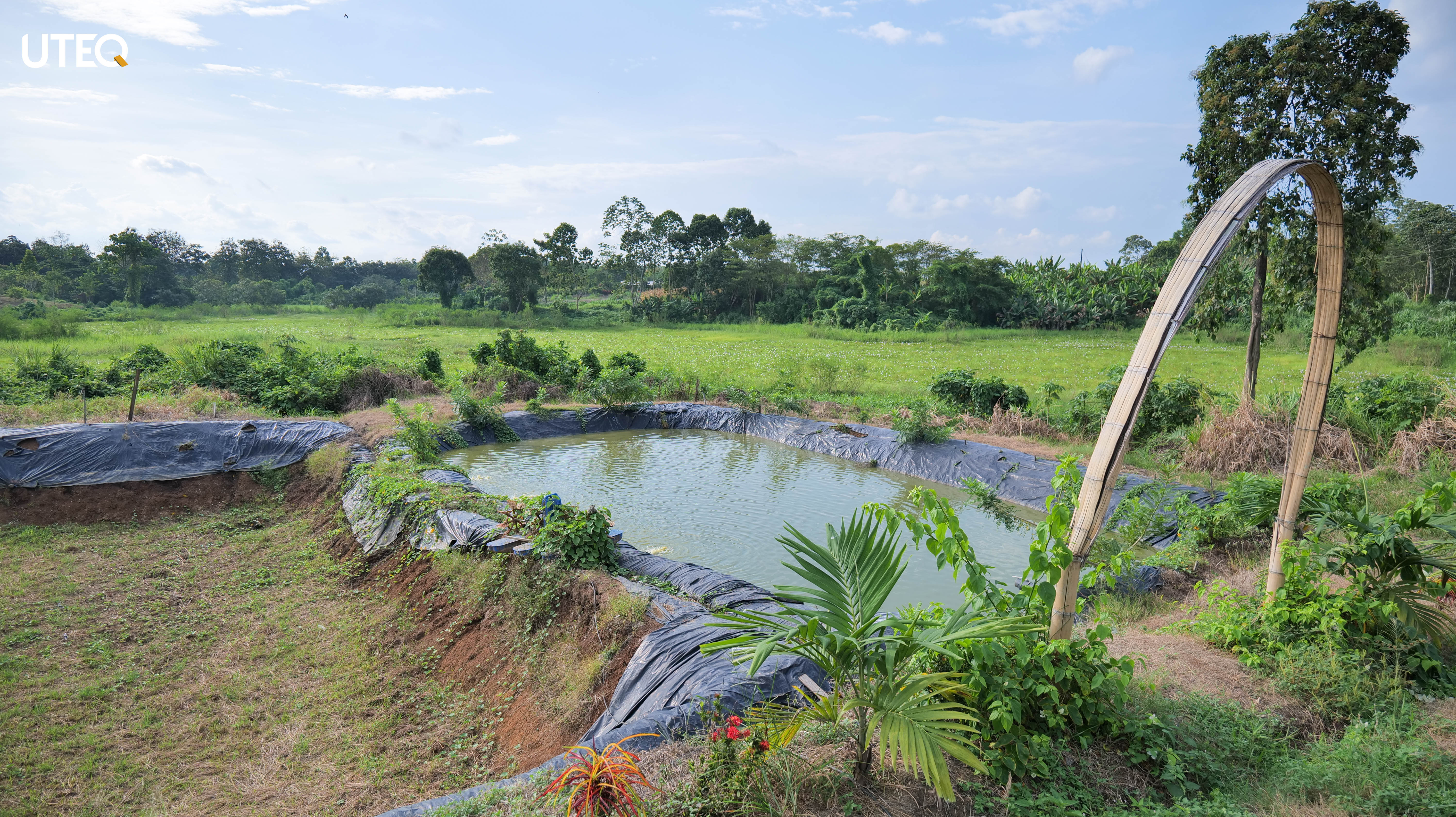
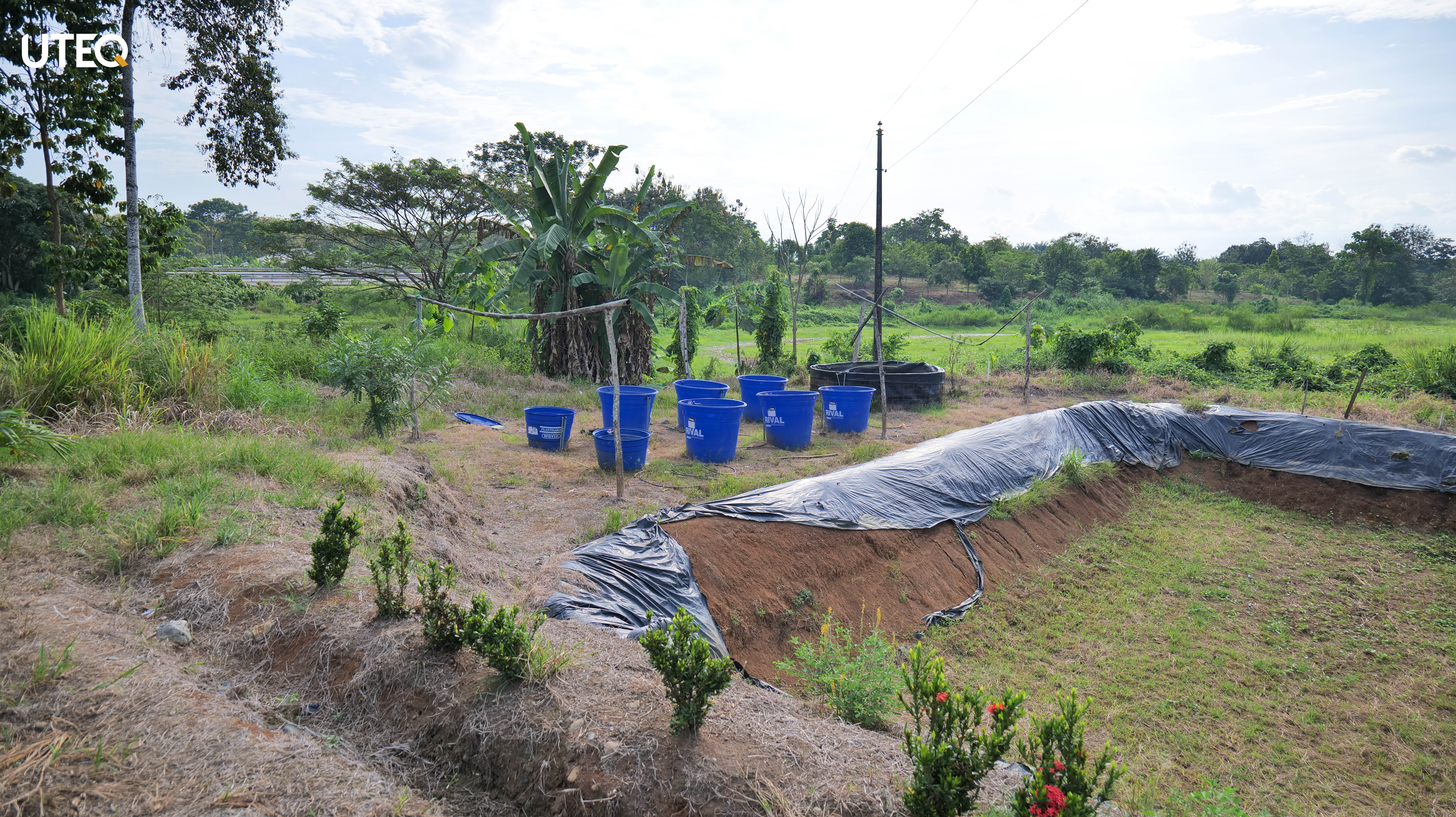
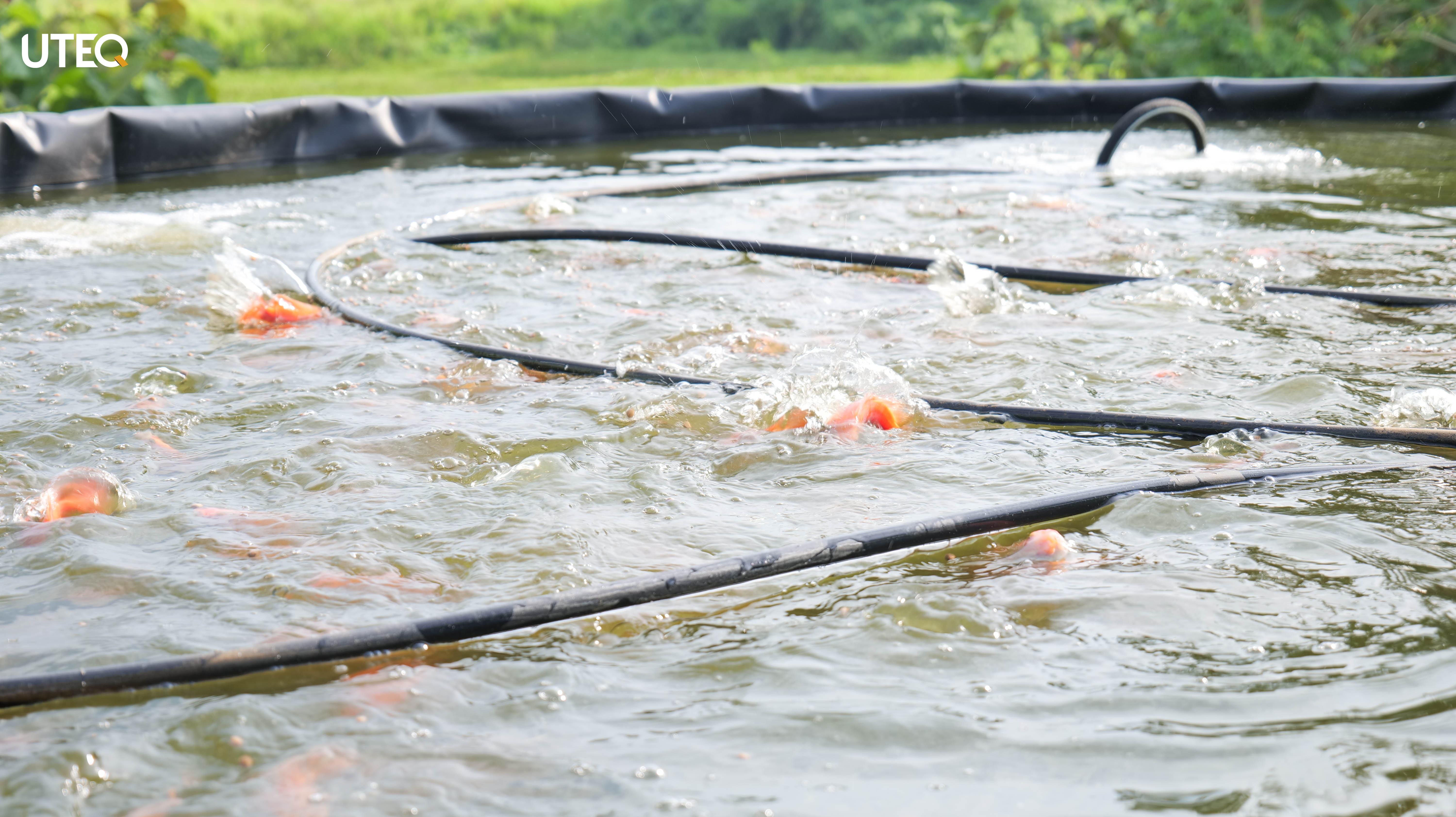
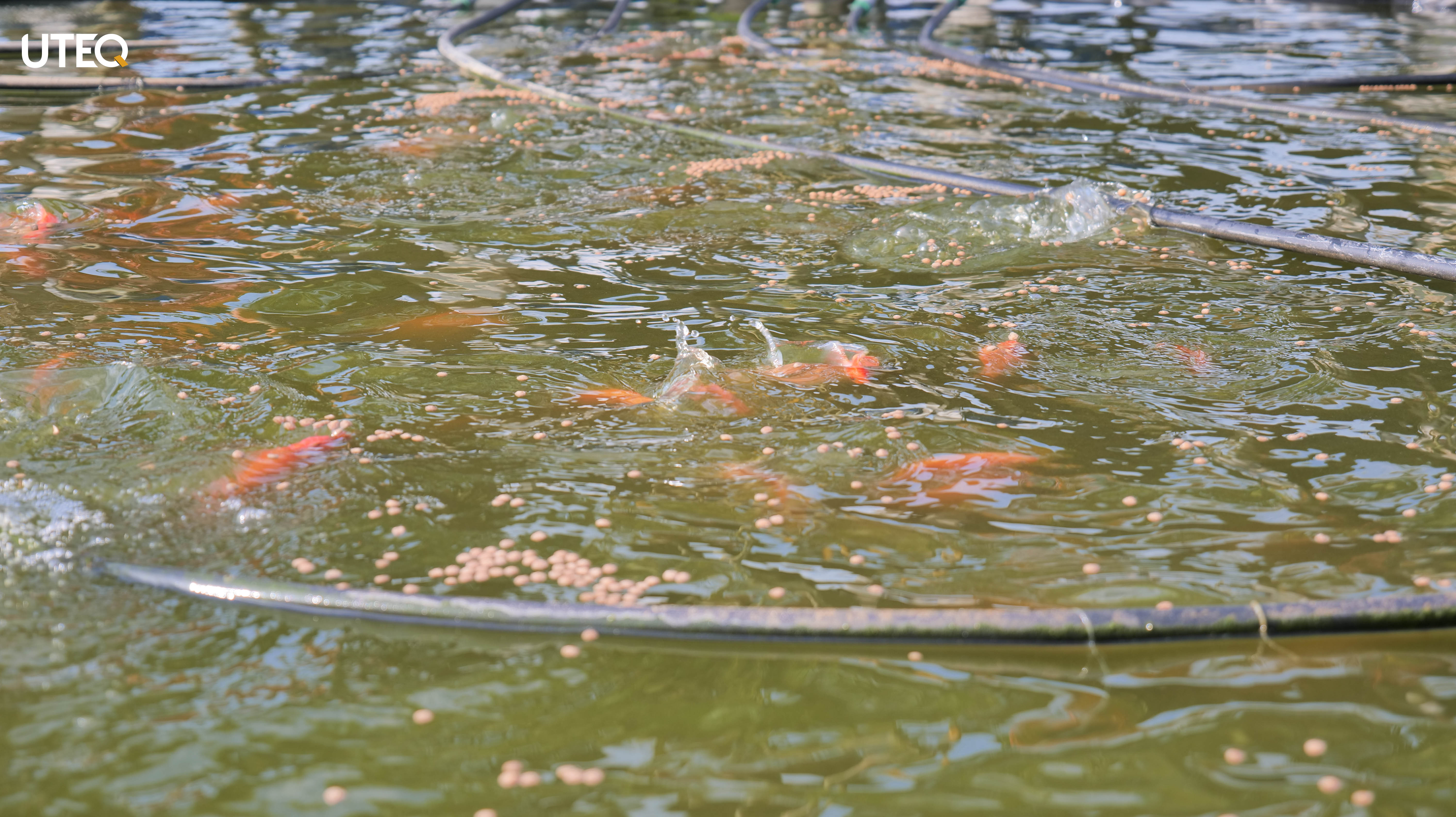
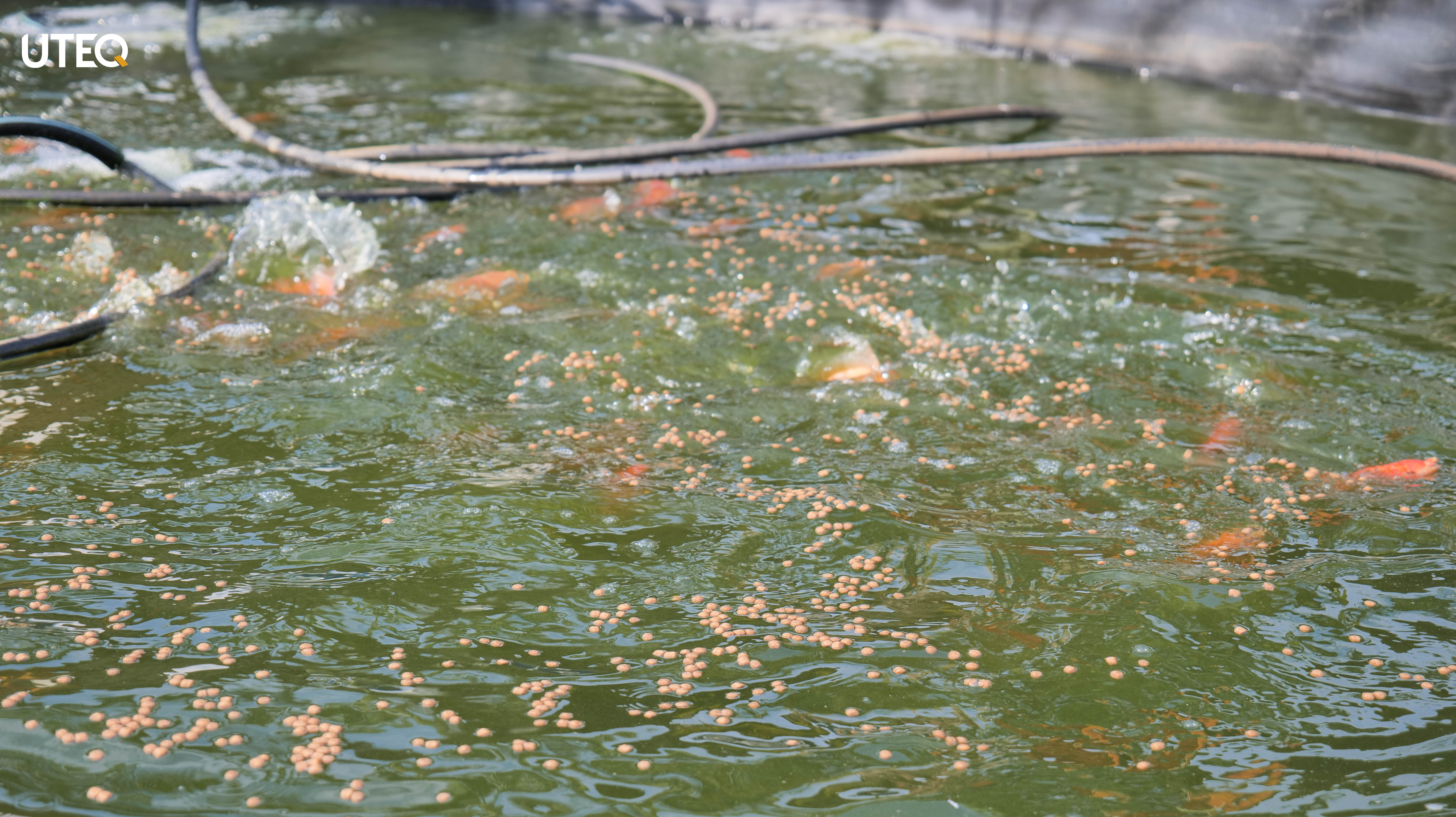
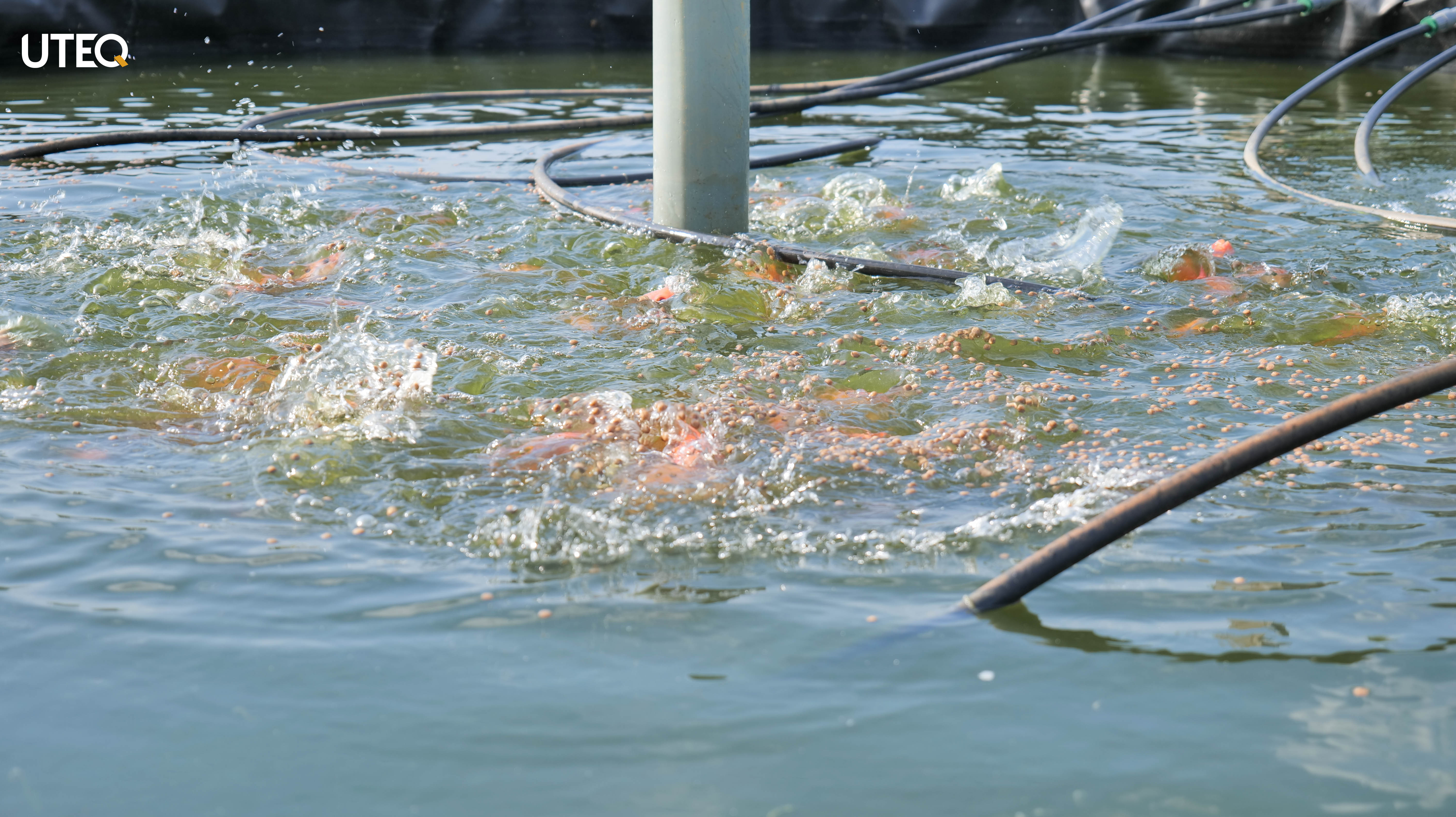
An academic and experimental unit dedicated to practical training, research, and the development of bioassays in aquaculture.

Soil and WaterSoil and WaterSoil and WaterSoil and WaterSoil and Water

Soil and Water

Soil and water analyzes are carried out, with activities such as determining the nutritional quantity of the soil sample, determining water quality.

MicrobiologyMicrobiologyMicrobiologyMicrobiologyMicrobiologyMicrobiology

Microbiology

The laboratory offers specialized services for the analysis, diagnosis and identification of microorganisms, through the processing and study of biological samples under controlled conditions.

Chemistry-BiochemistryChemistry-BiochemistryChemistry-BiochemistryChemistry-BiochemistryChemistry-BiochemistryChemistry-BiochemistryChemistry-Biochemistry

Chemistry-Biochemistry

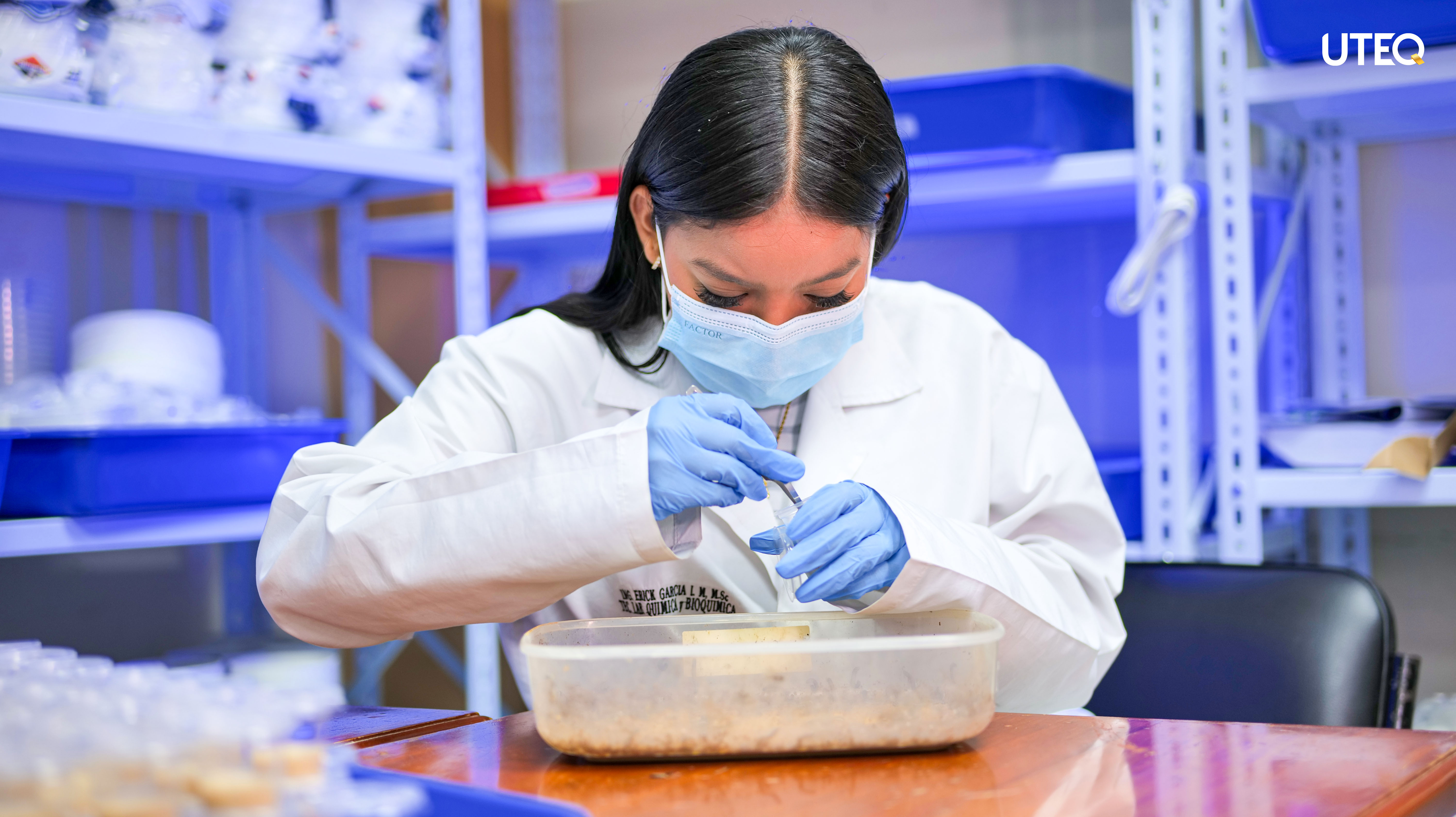
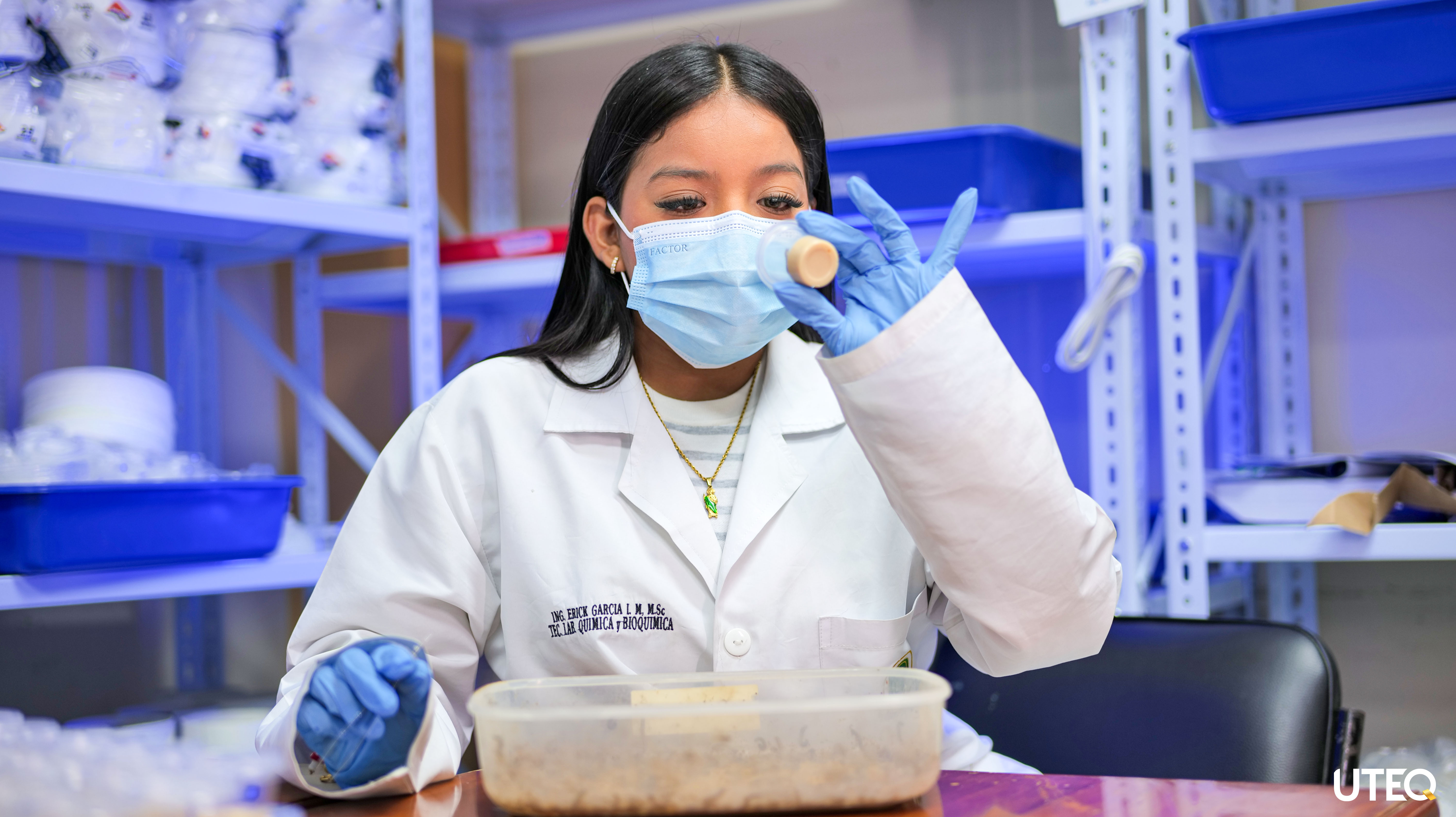
Physical, chemical, and biochemical tests are performed on samples of plant, animal, food, environmental, and microbiological origin.

RumiologyRumiologyRumiologyRumiologyRumiologyRumiology

Rumiology

Chemical, physicochemical, and microbiological analyses are performed, as well as analyses of digestibility and degradability.

IndustrialIndustrialIndustrialIndustrialIndustrialIndustrialIndustrialIndustrialIndustrialIndustrialIndustrialIndustrialIndustrialIndustrialIndustrialIndustrialIndustrialIndustrialIndustrialIndustrialIndustrialIndustrialIndustrialIndustrialIndustrialIndustrialIndustrialIndustrialIndustrialIndustrialIndustrialIndustrialIndustrialIndustrialIndustrialIndustrialIndustrialIndustrialIndustrialIndustrialIndustrialIndustrialIndustrialIndustrialIndustrialIndustrialIndustrialIndustrialIndustrialIndustrialIndustrial

Industrial

Space dedicated to academic practical work, research, and the experimentation of industrial processes, focused on the analysis, control, and optimization of operations, materials, and products.

EntomologyEntomologyEntomologyEntomologyEntomologyEntomology

Entomology

The Entomology Laboratory is a specialized scientific research facility dedicated to the study of insect pests of agricultural importance and the development of strategies for their sustainable management.

Nursing SimulationNursing SimulationNursing SimulationNursing SimulationNursing SimulationNursing SimulationNursing SimulationNursing SimulationNursing SimulationNursing SimulationNursing SimulationNursing SimulationNursing SimulationNursing SimulationNursing Simulation

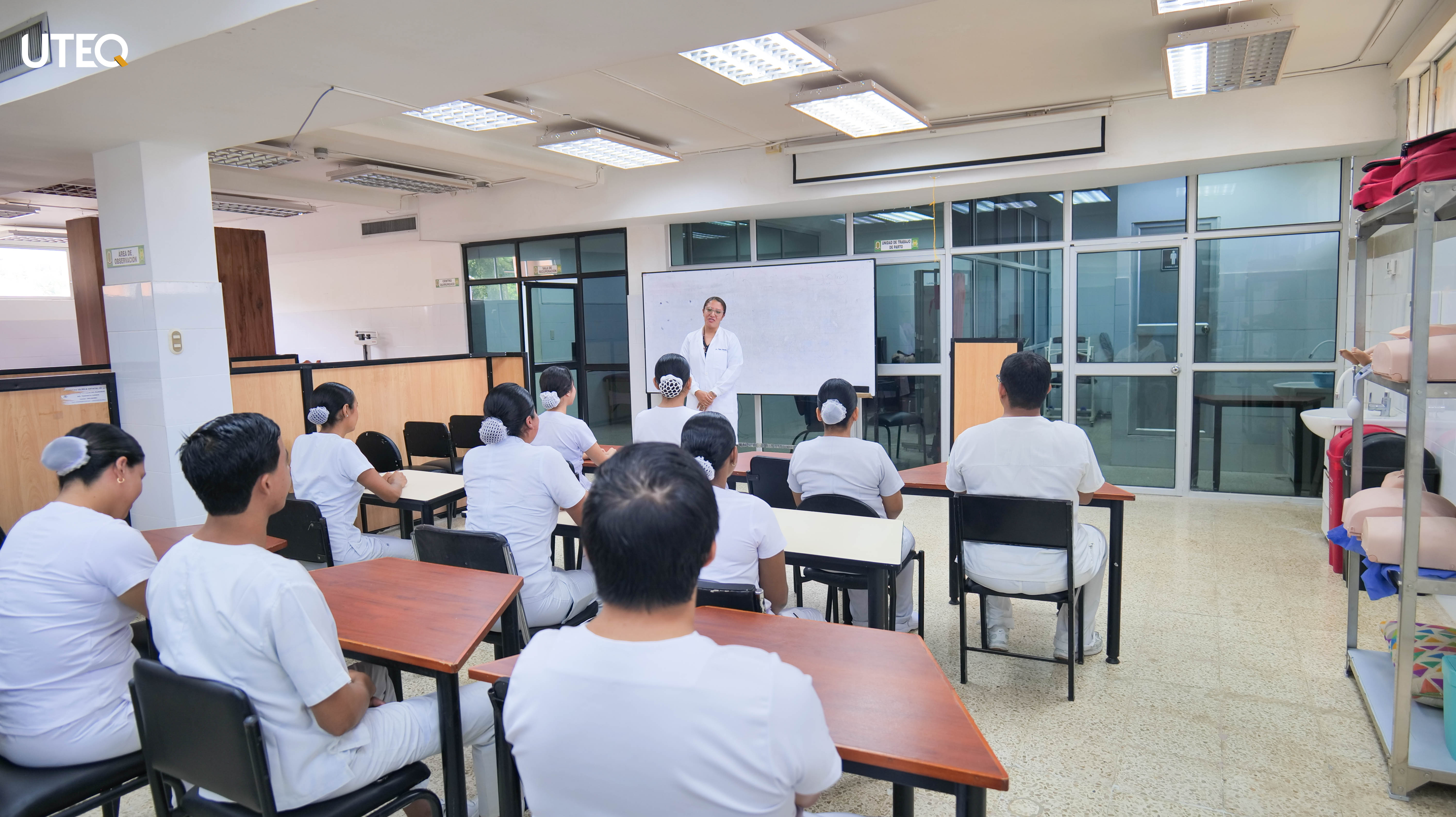
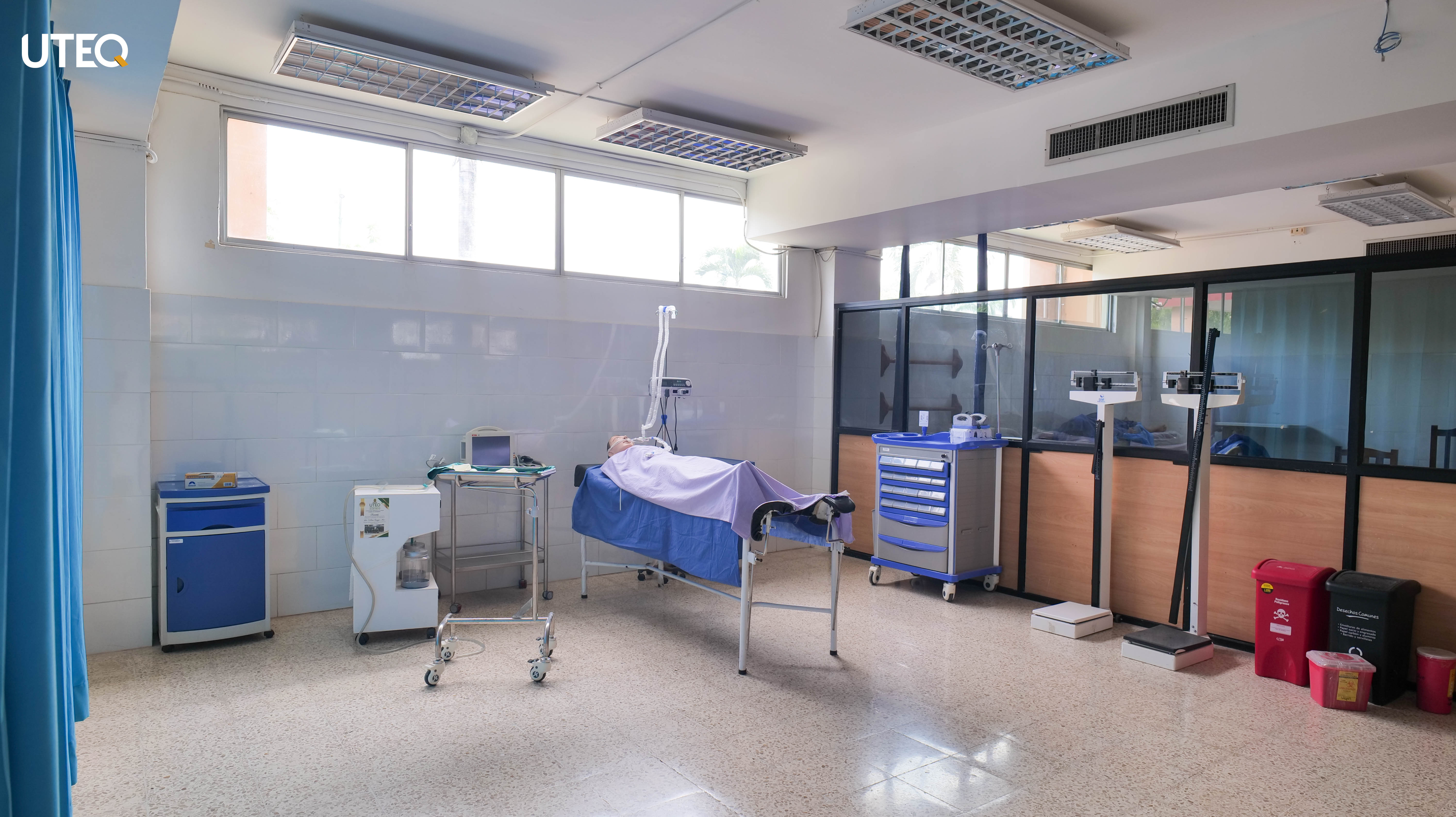
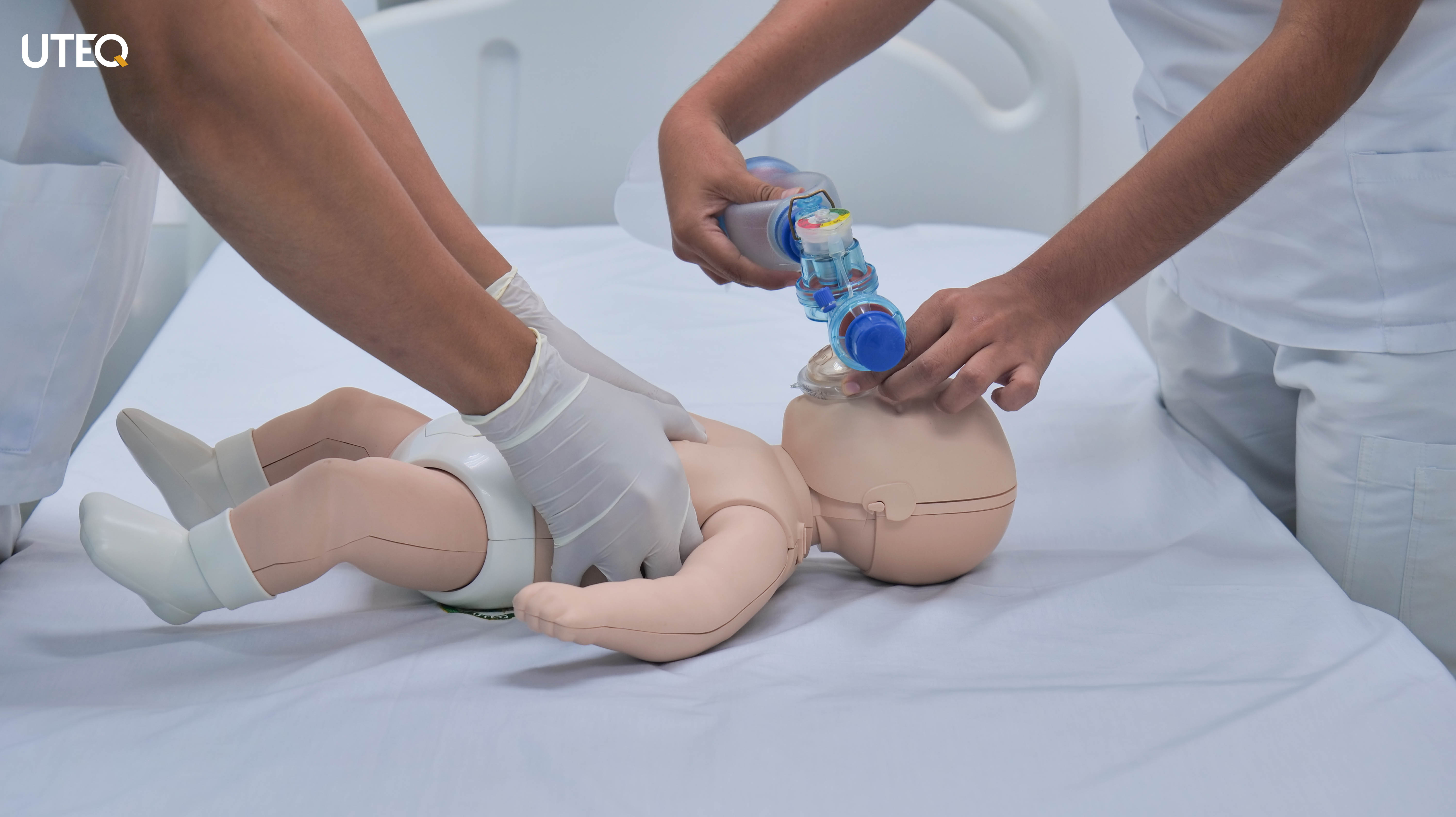
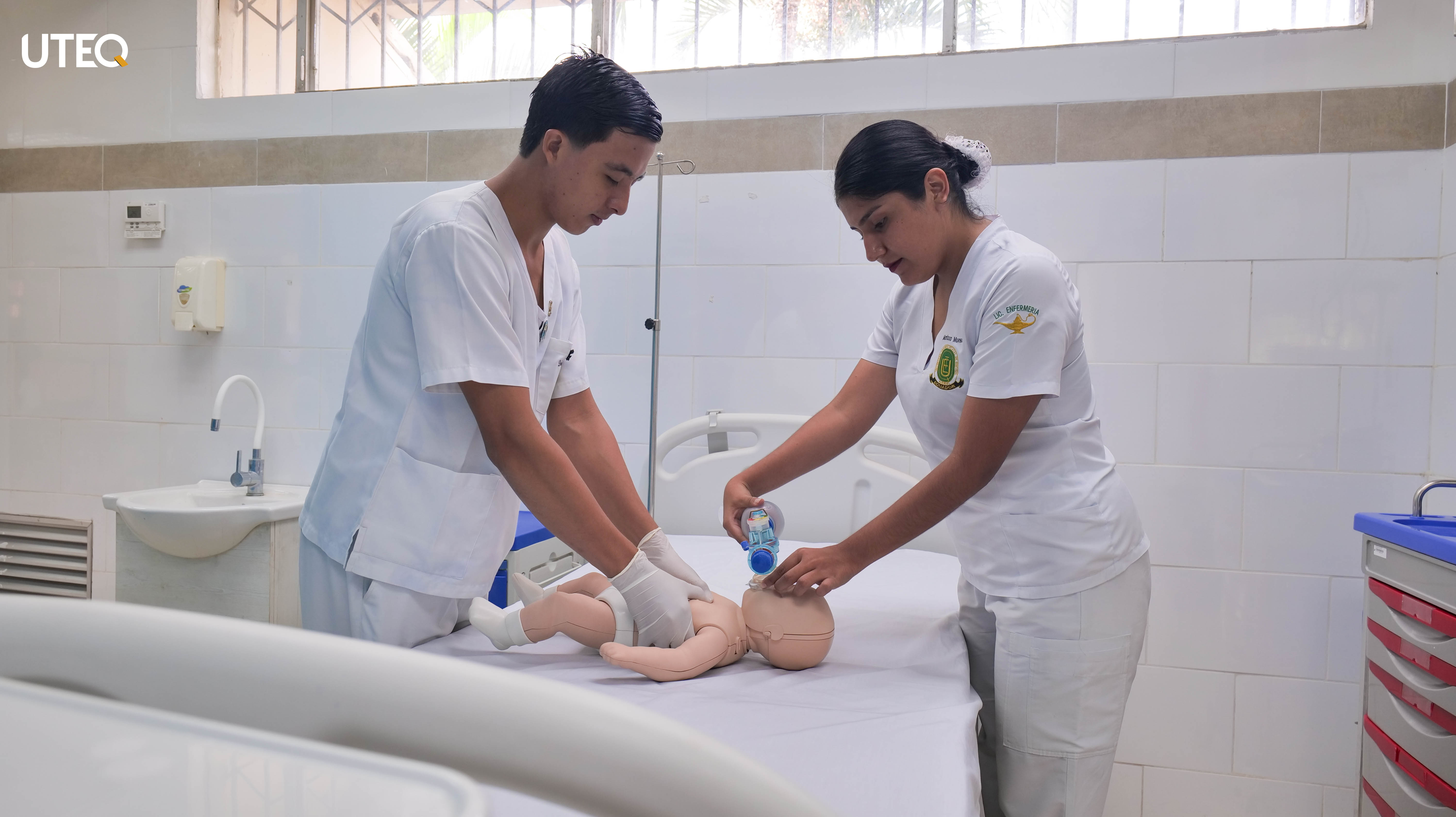
Nursing Simulation

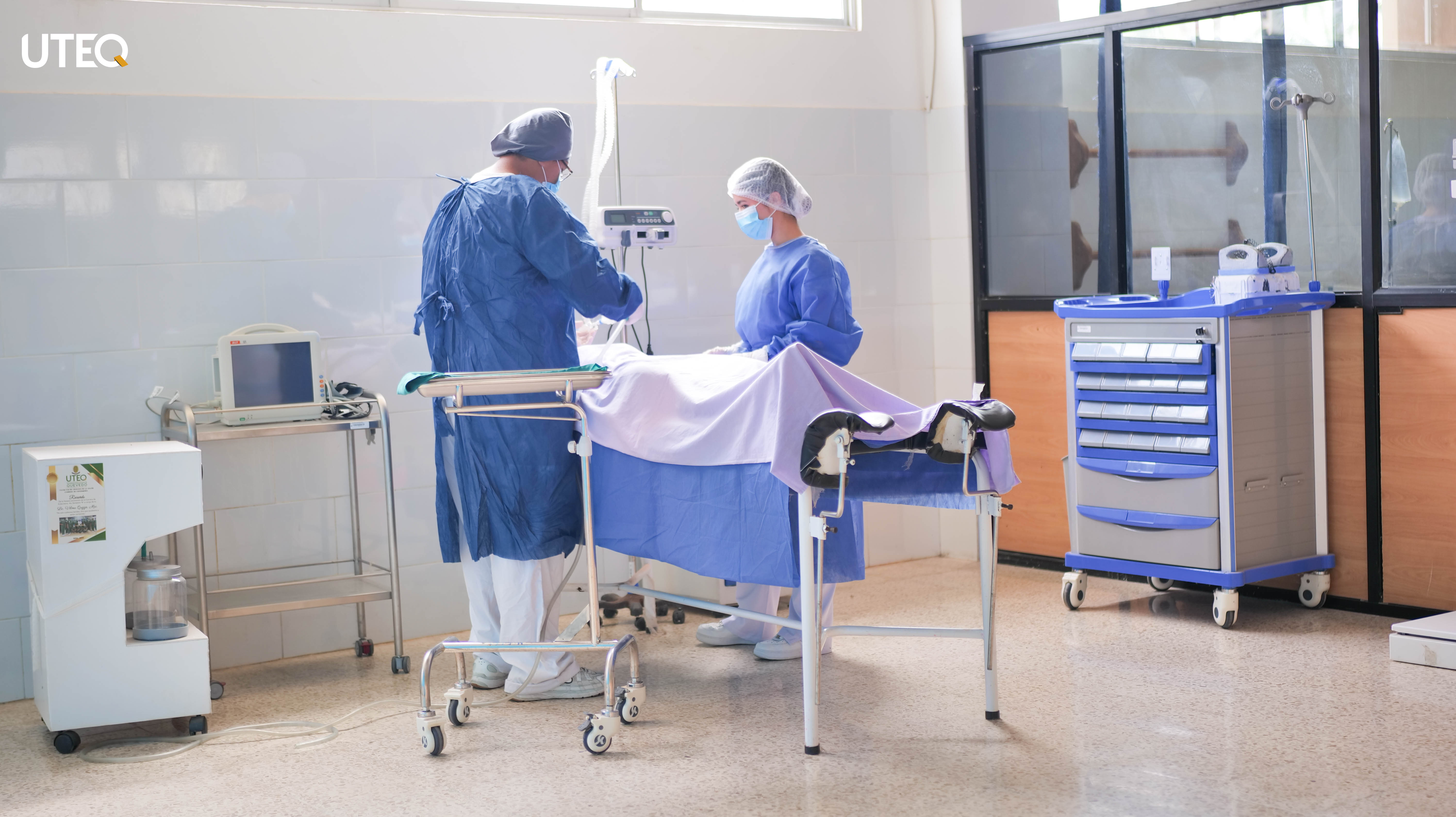
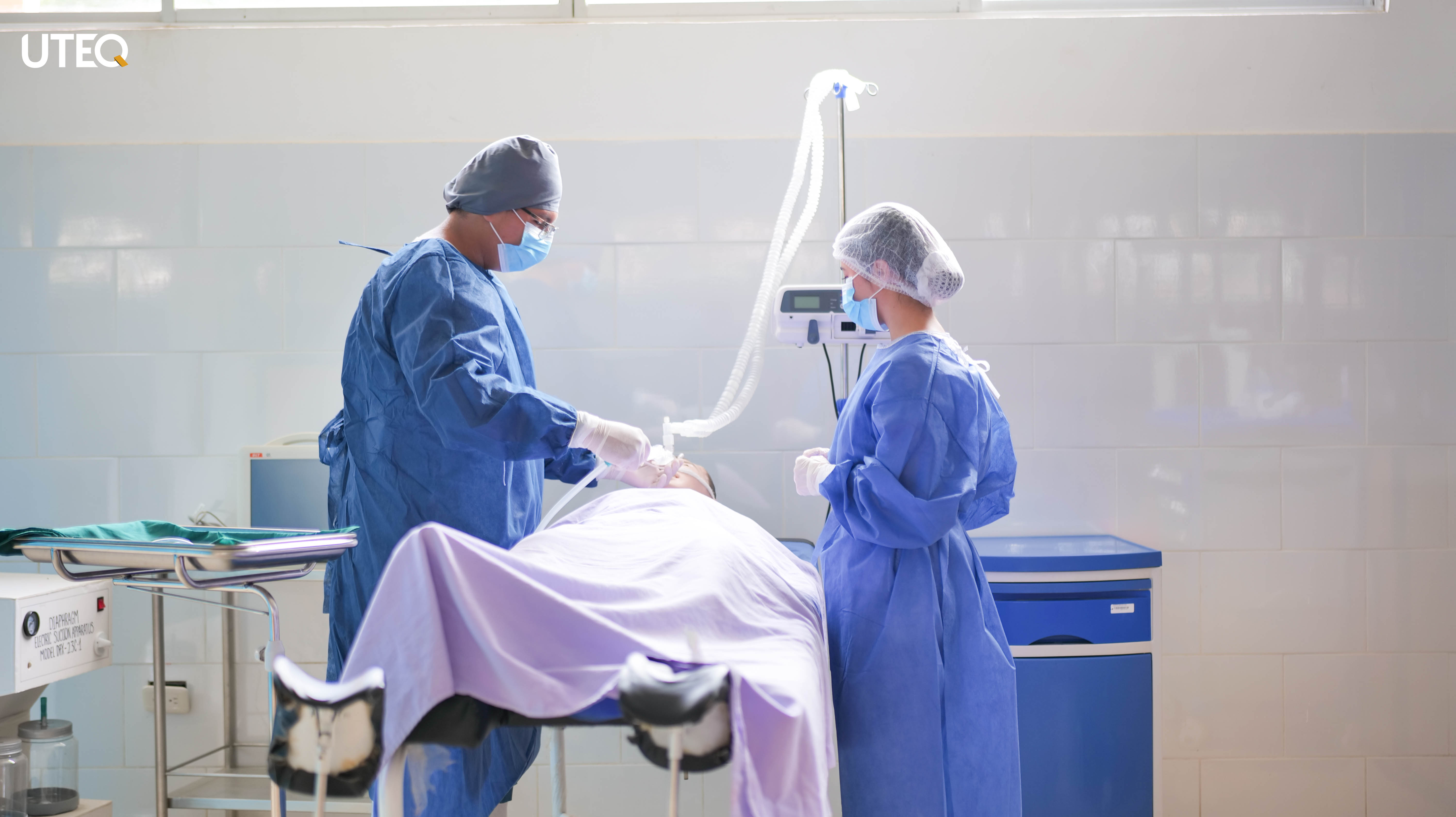
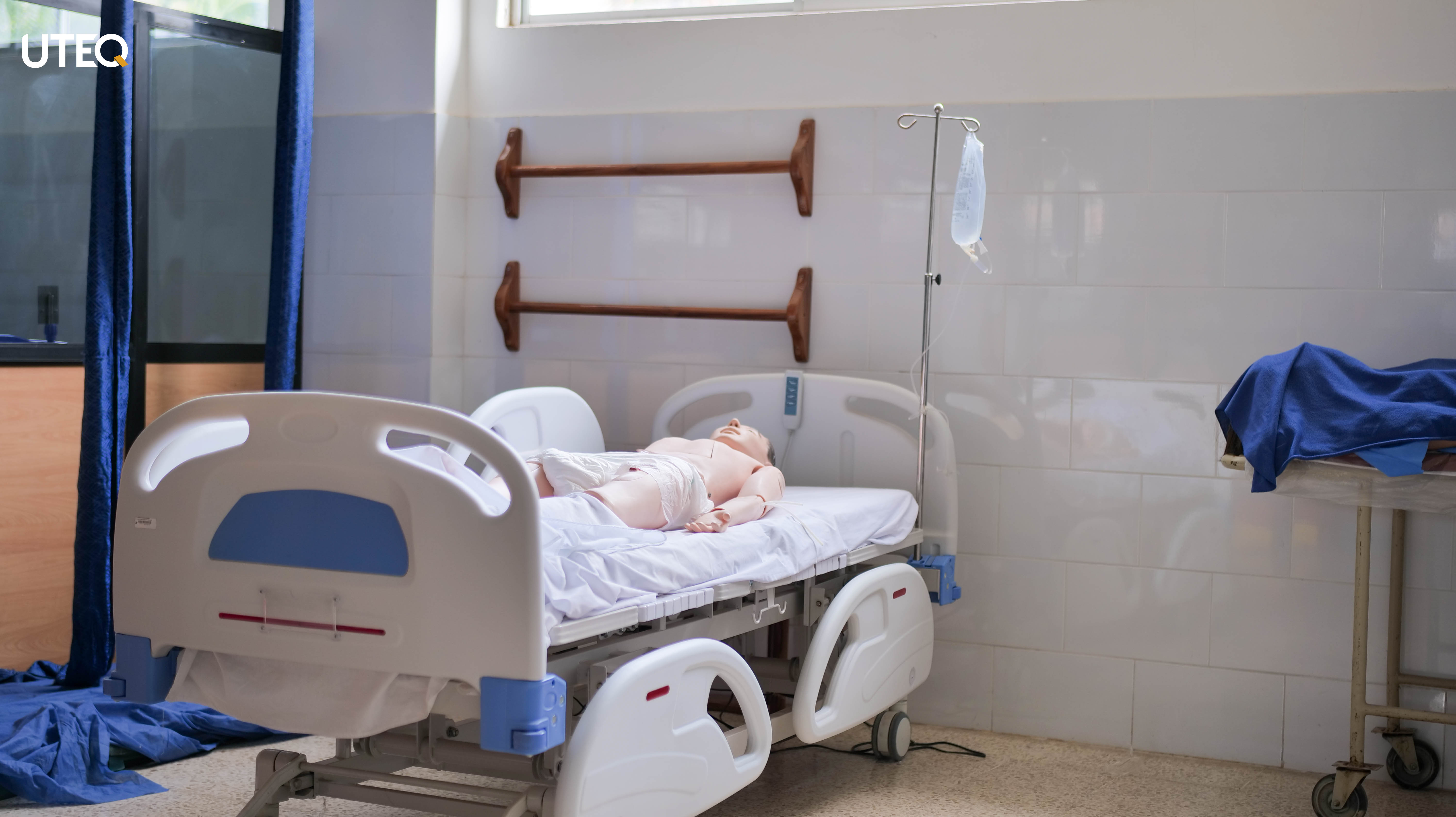
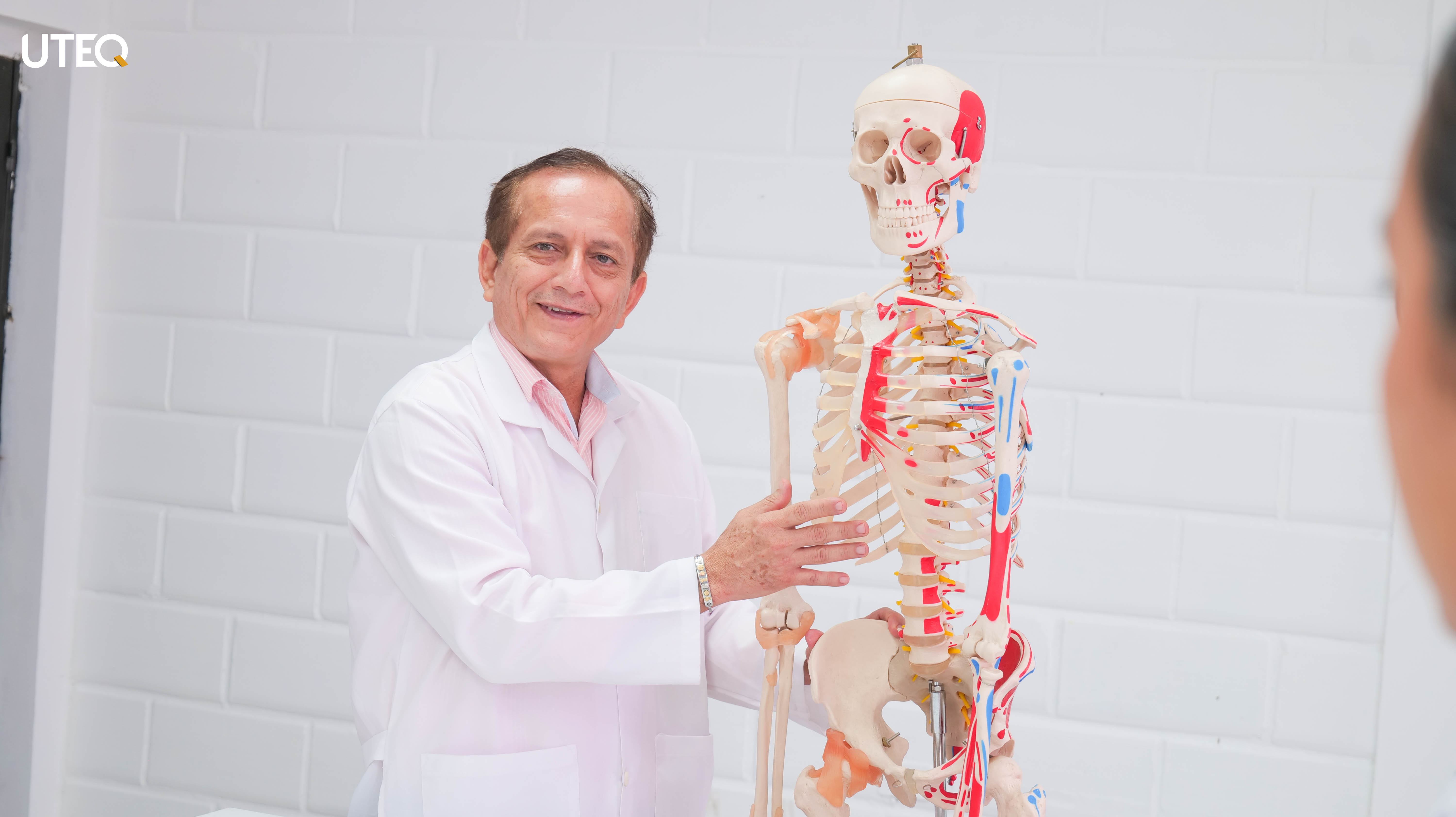
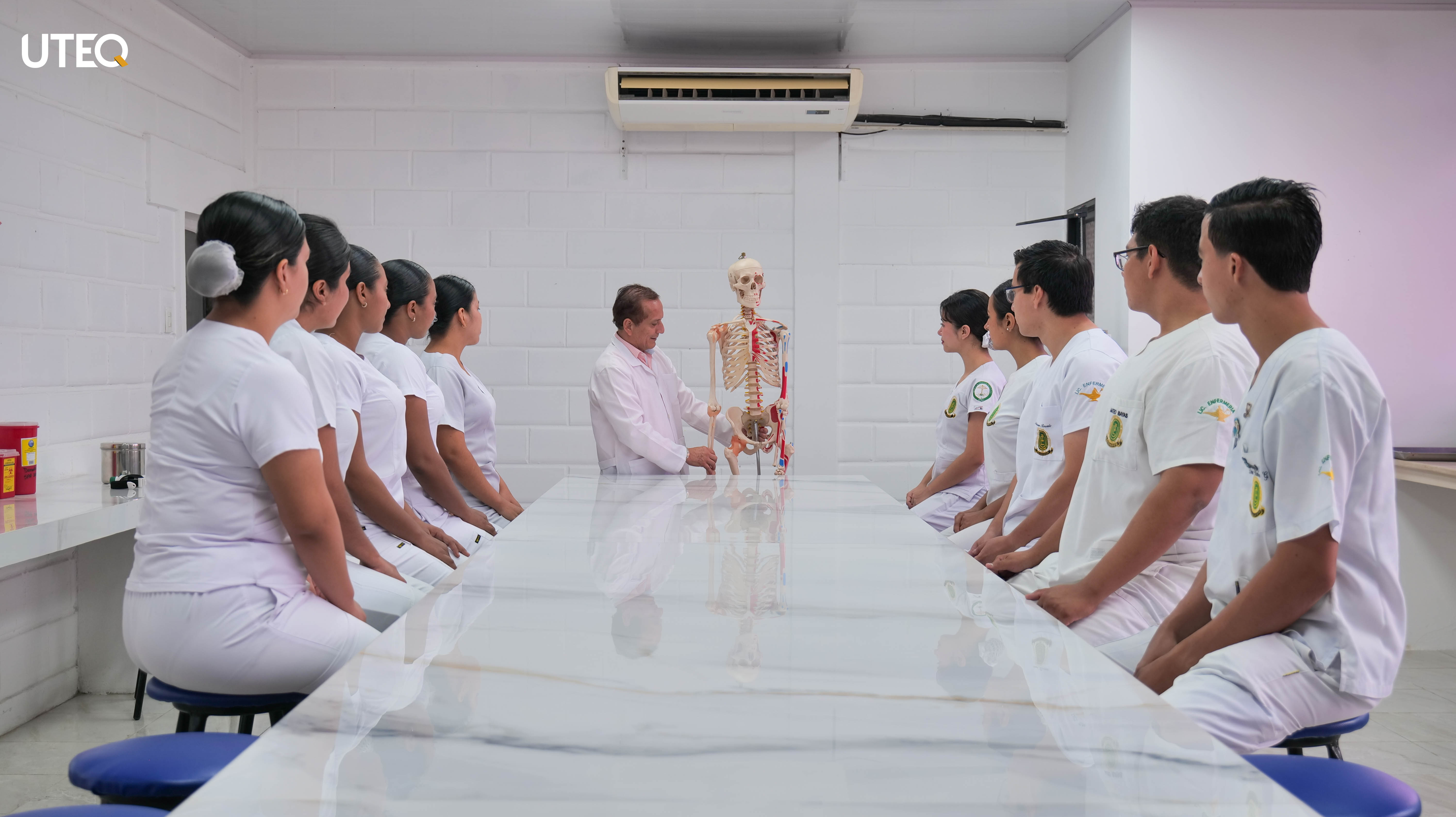
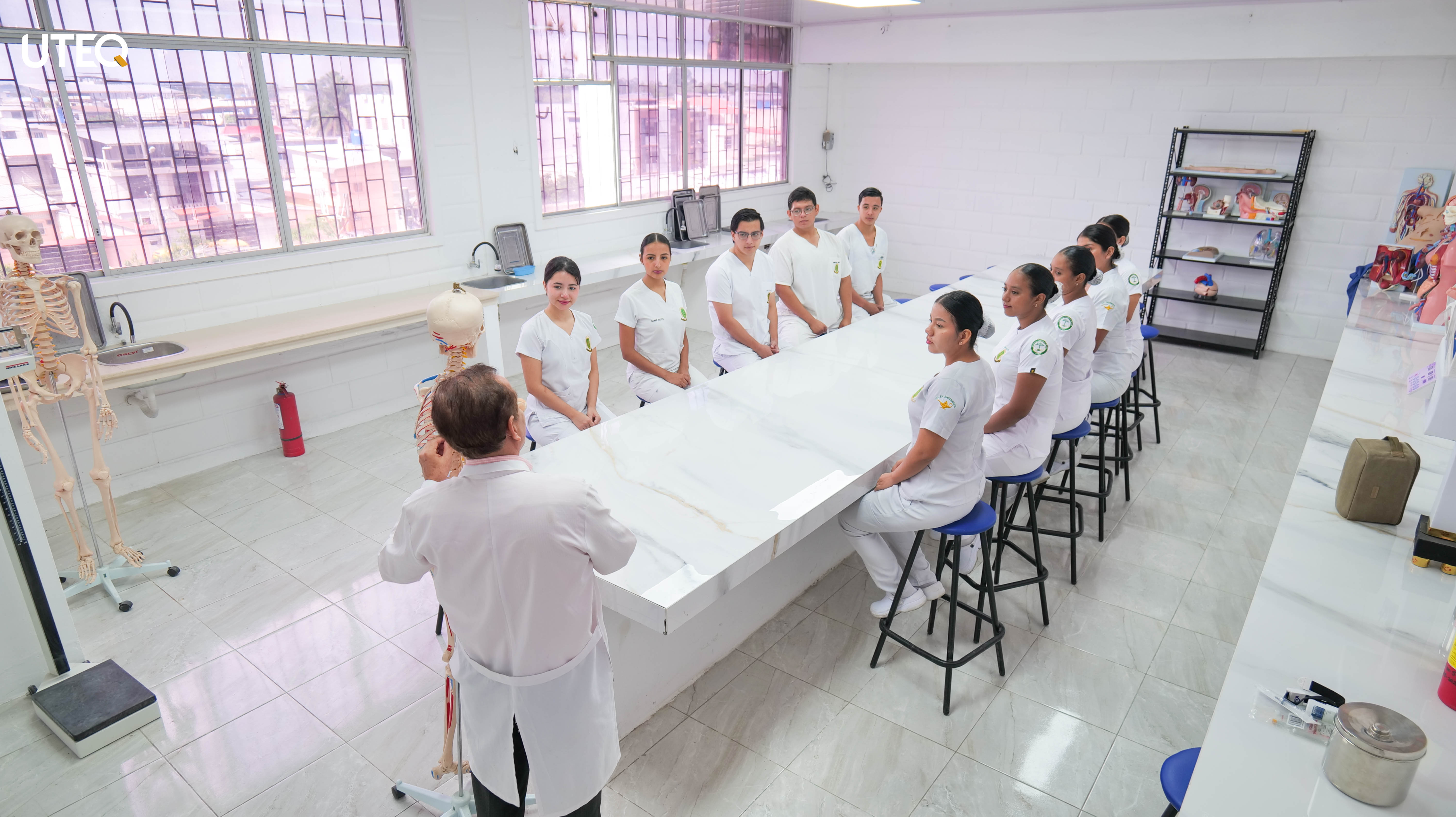
A clinical simulation space designed for the practical training of nursing students. It features high- and medium-fidelity simulators, training manikins, anatomical models, and clinical instruments.

Biochemistry – Microbiology and ParasitologyBiochemistry – Microbiology and ParasitologyBiochemistry – Microbiology and ParasitologyBiochemistry – Microbiology and ParasitologyBiochemistry – Microbiology and ParasitologyBiochemistry – Microbiology and ParasitologyBiochemistry – Microbiology and ParasitologyBiochemistry – Microbiology and ParasitologyBiochemistry – Microbiology and ParasitologyBiochemistry – Microbiology and ParasitologyBiochemistry – Microbiology and ParasitologyBiochemistry – Microbiology and ParasitologyBiochemistry – Microbiology and ParasitologyBiochemistry – Microbiology and ParasitologyBiochemistry – Microbiology and ParasitologyBiochemistry – Microbiology and ParasitologyBiochemistry – Microbiology and ParasitologyBiochemistry – Microbiology and ParasitologyBiochemistry – Microbiology and ParasitologyBiochemistry – Microbiology and ParasitologyBiochemistry – Microbiology and ParasitologyBiochemistry – Microbiology and ParasitologyBiochemistry – Microbiology and Parasitology

Biochemistry – Microbiology and Parasitology

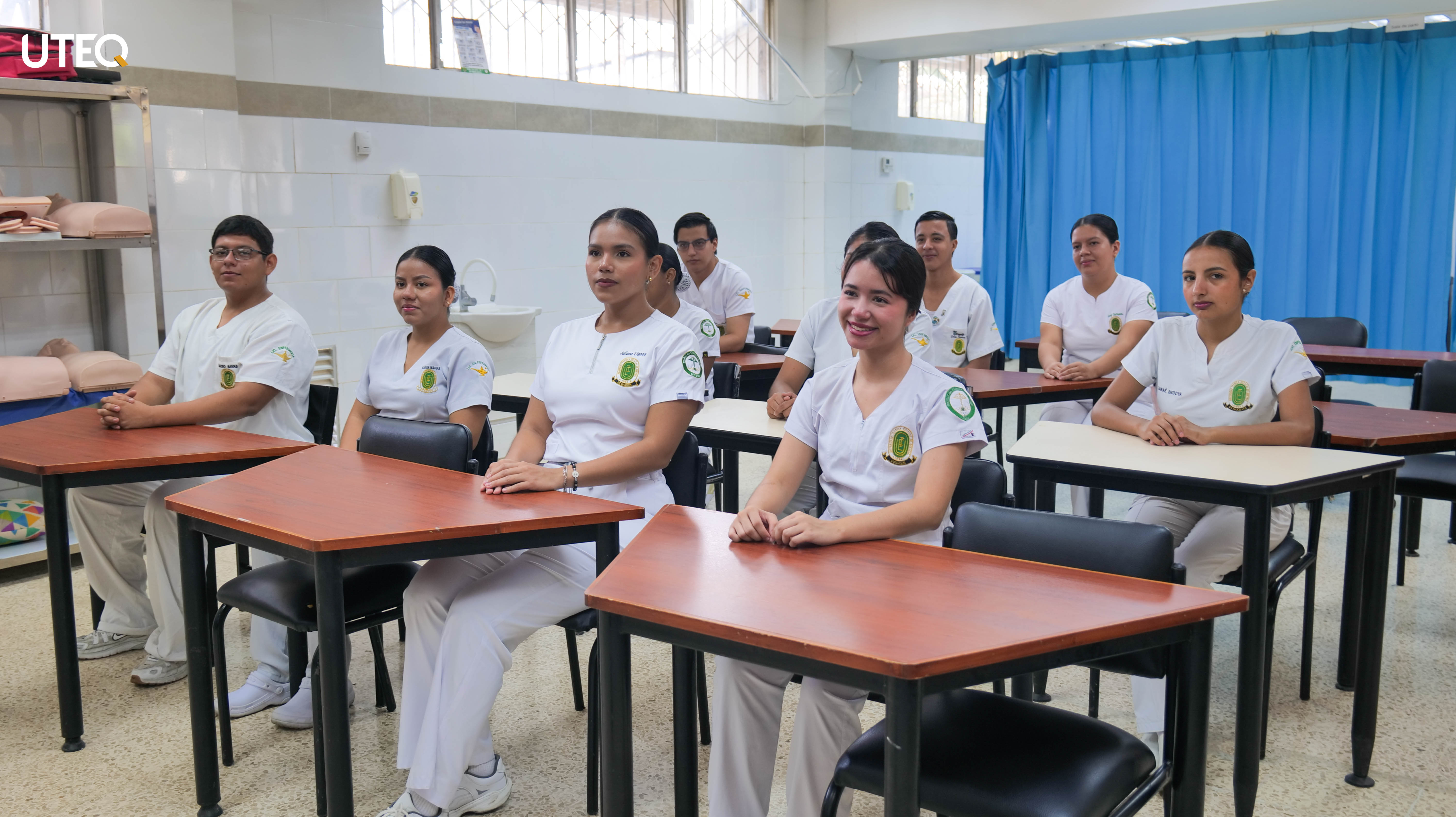
A space dedicated to practical academic work in biochemistry, microbiology, and parasitology as applied to health, contributing to the practical training of nursing students in the identification of microorganisms and parasites and in basic clinical laboratory procedures.

Food ScienceFood ScienceFood ScienceFood ScienceFood ScienceFood ScienceFood ScienceFood ScienceFood Science
Capacity30 students
LocationLa María Campus
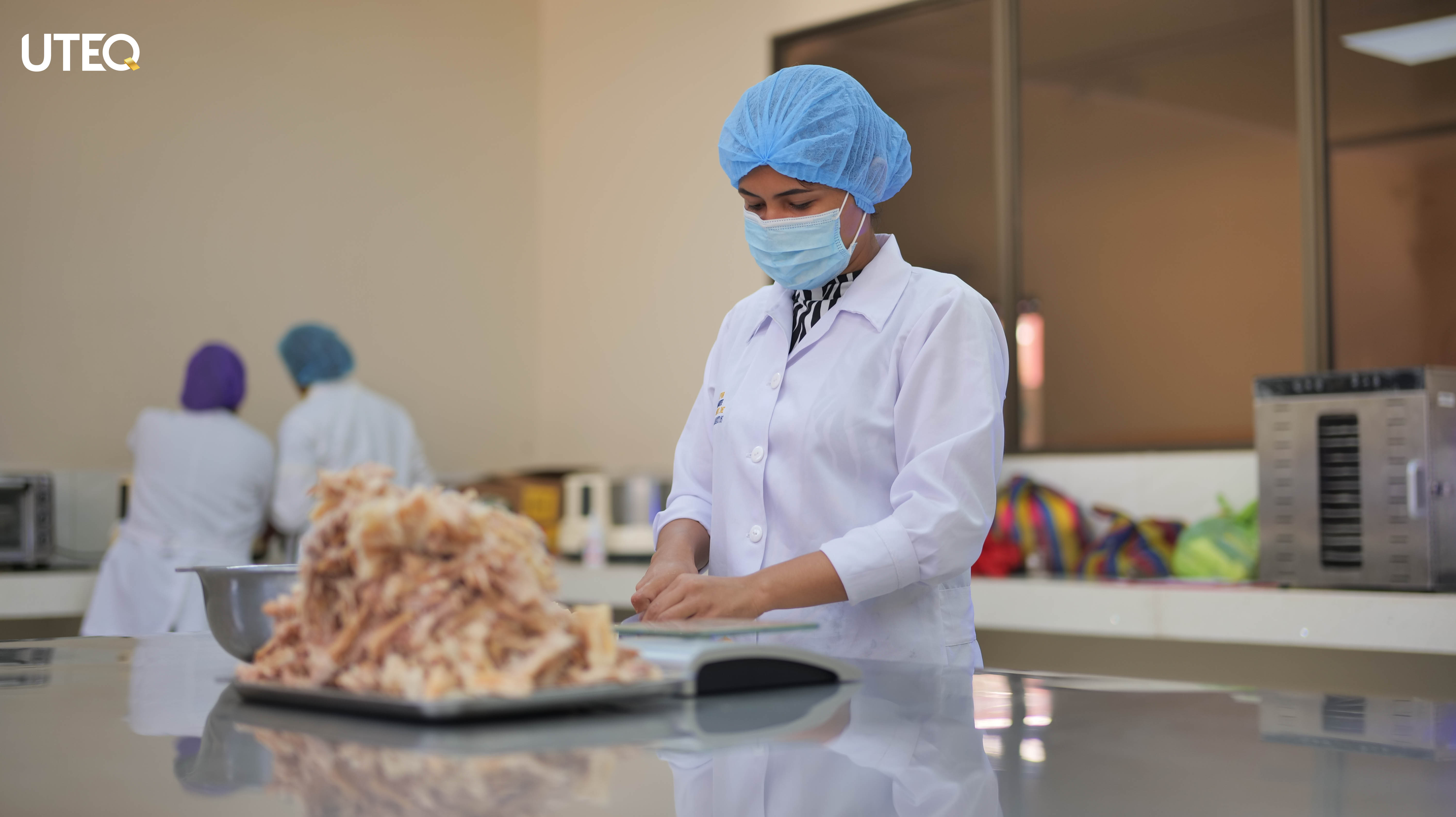
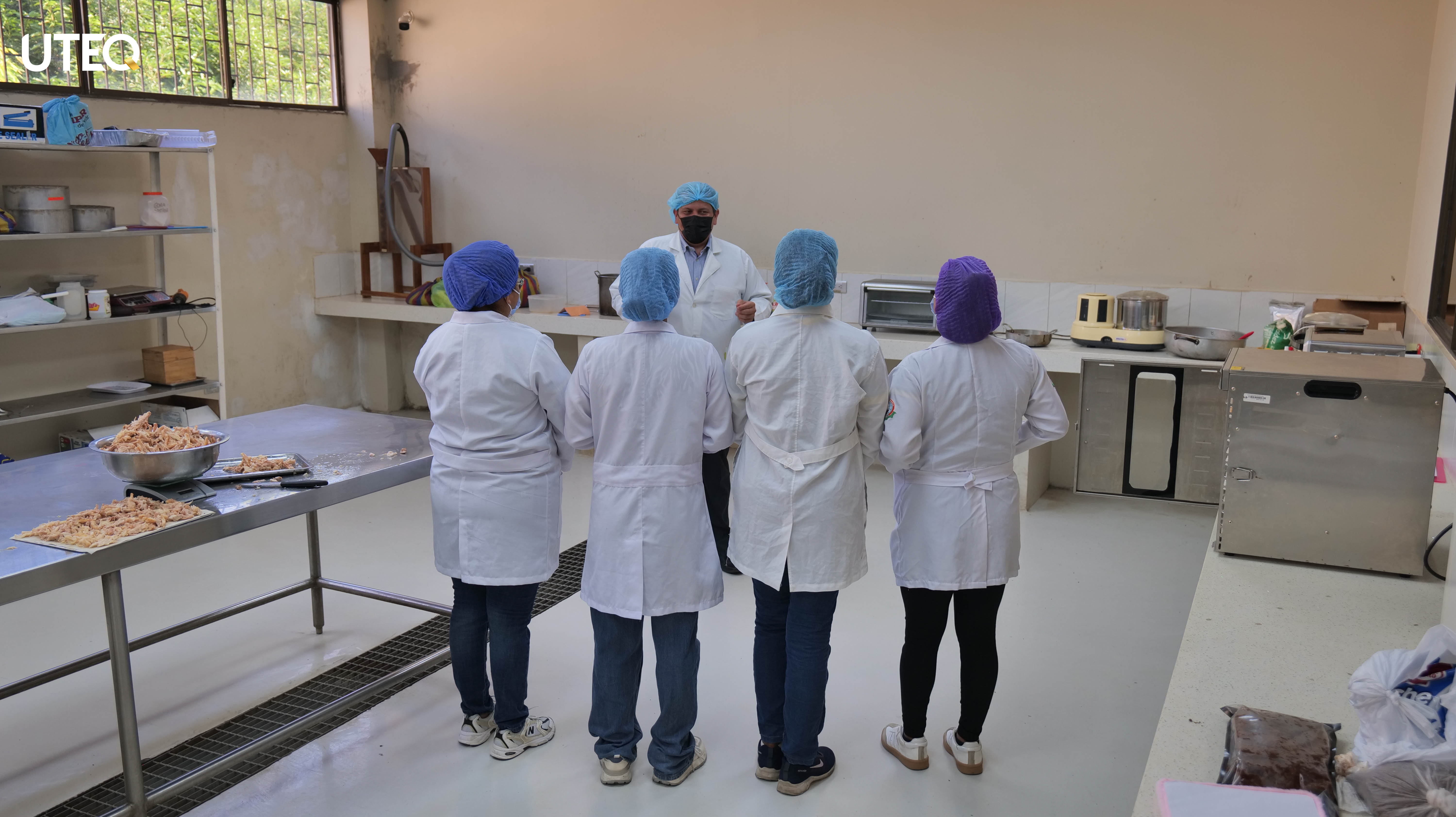
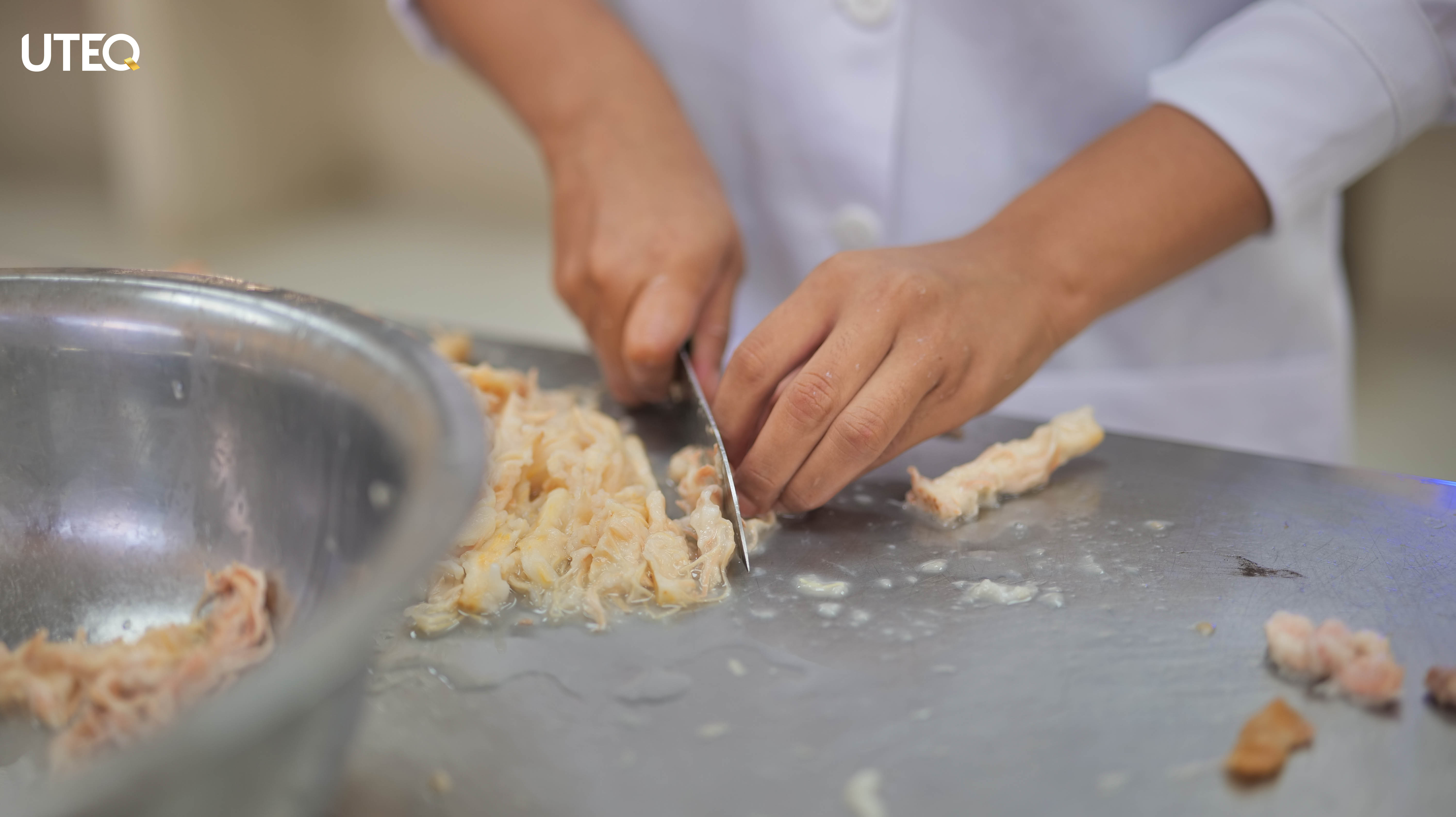
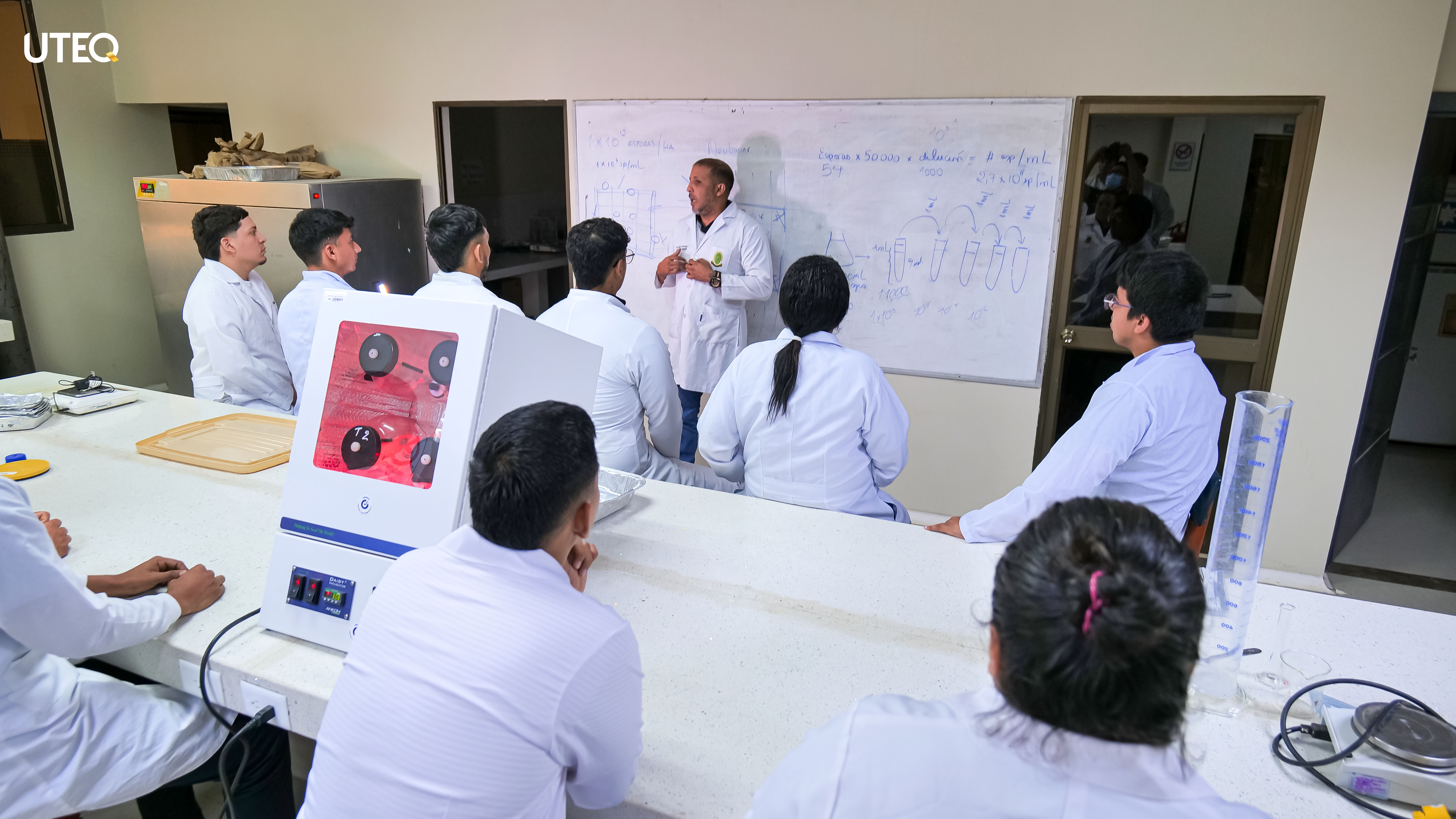
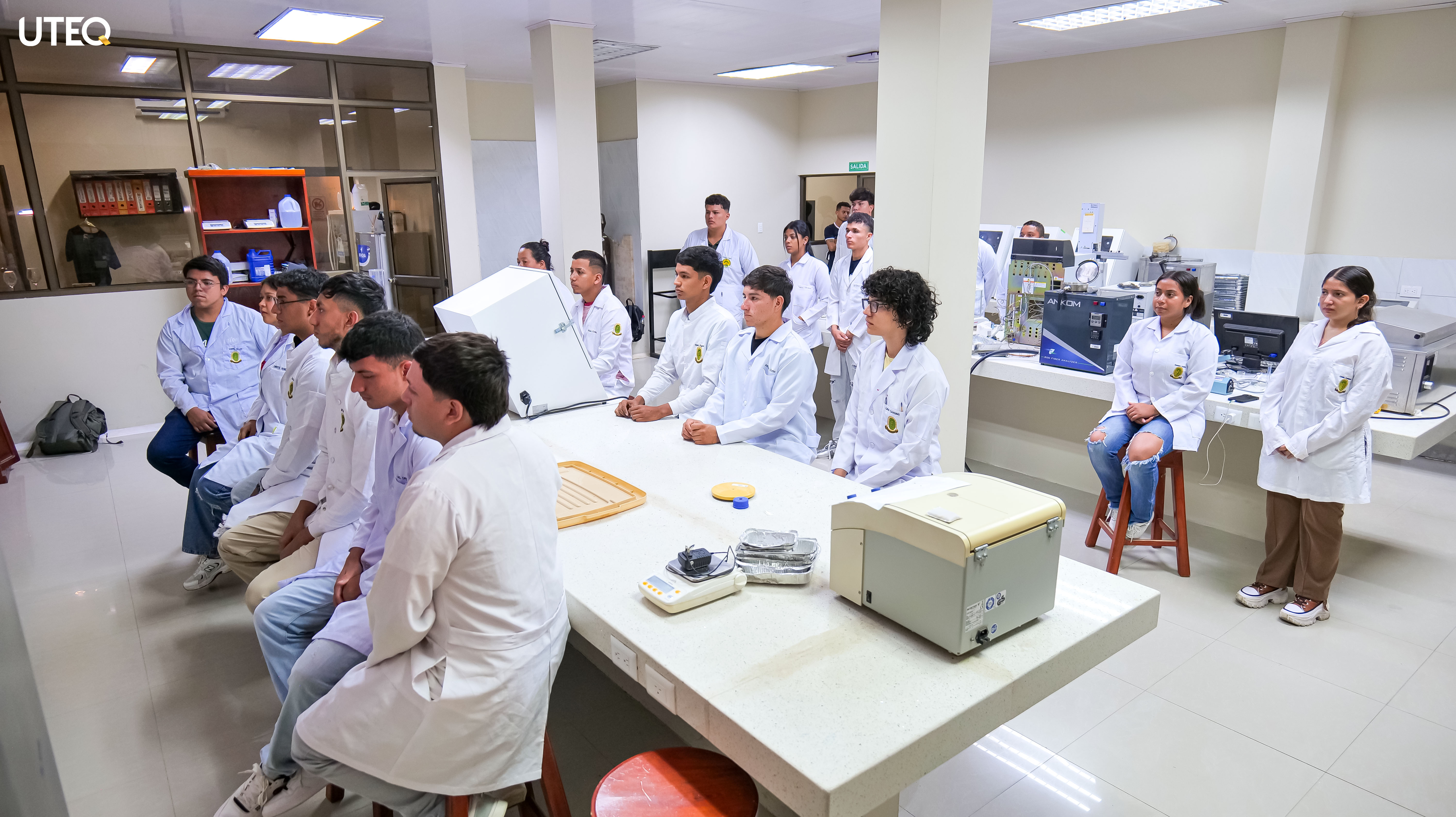
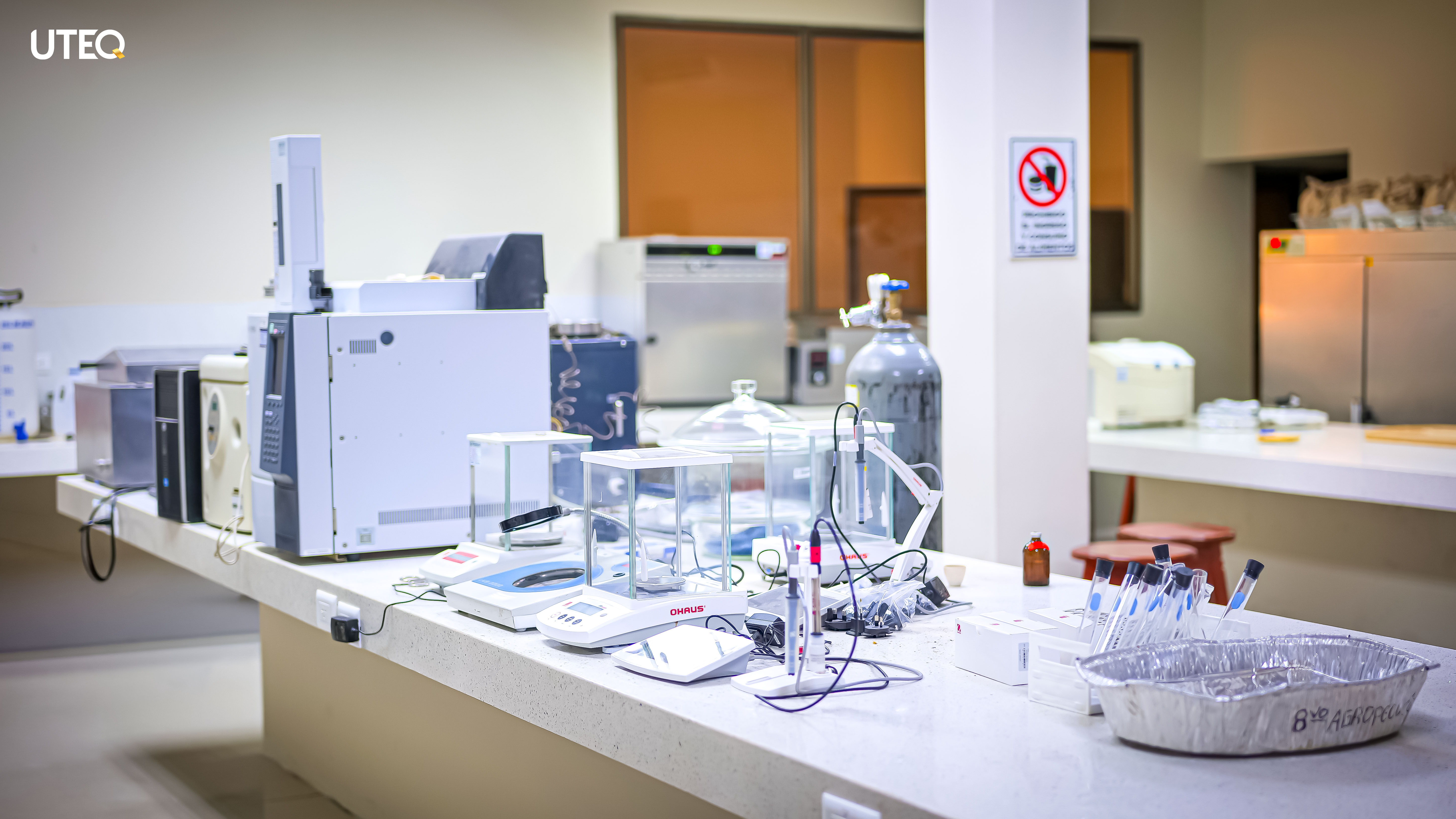
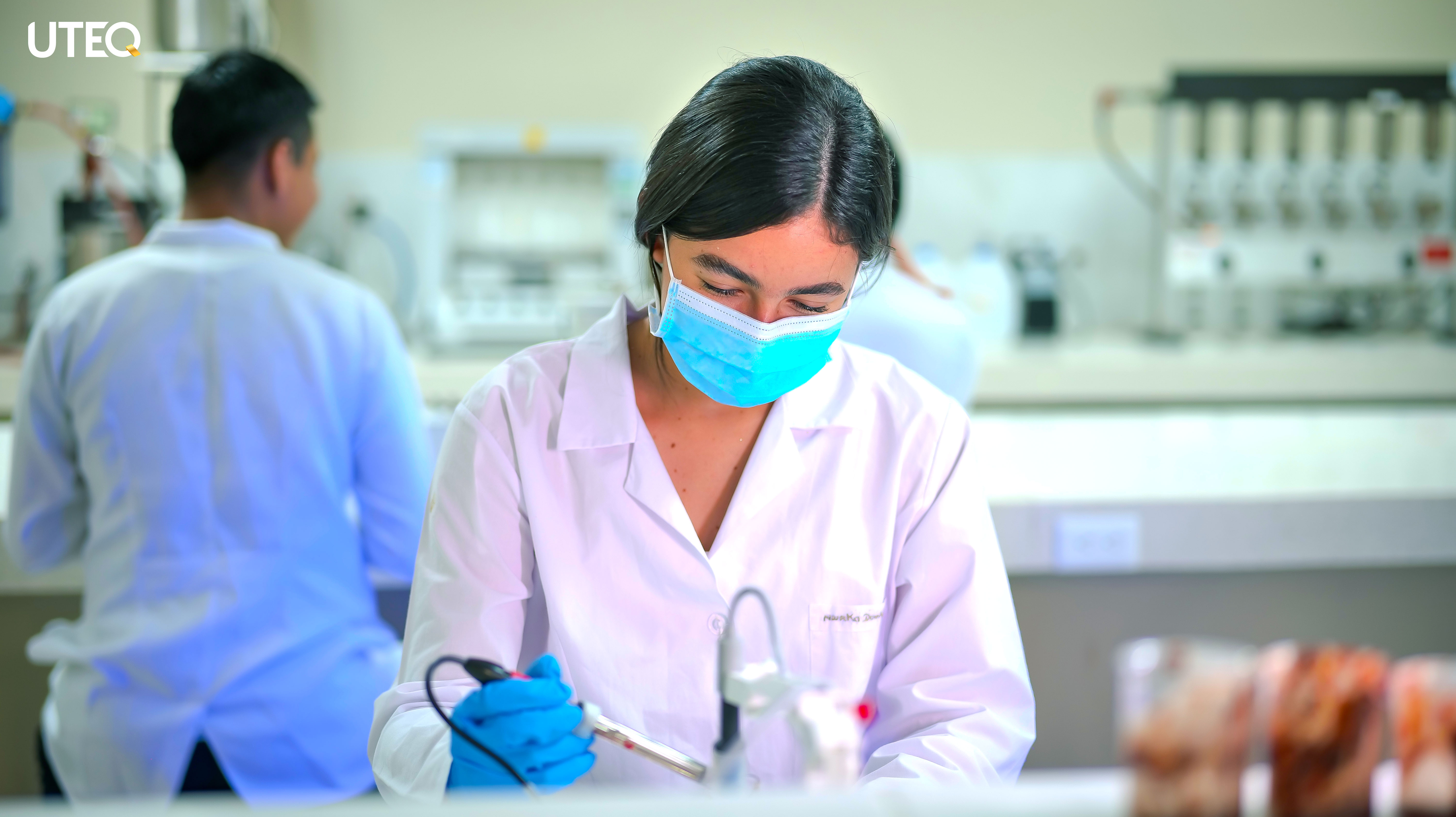
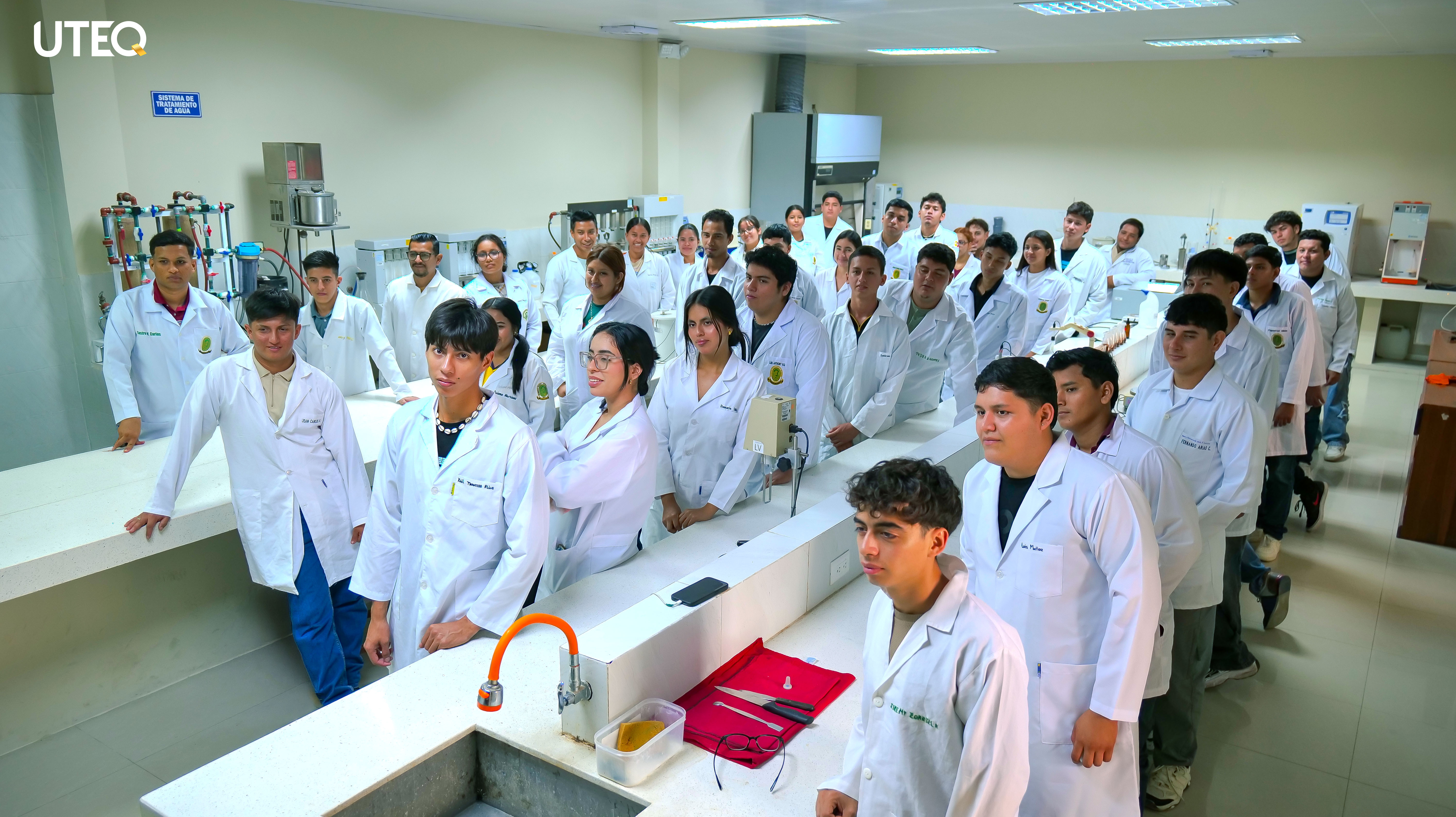
The Laboratory is a space dedicated to academic and research activities focused on the analysis and evaluation of food quality and safety. It is equipped with the equipment, materials, and technical resources needed to conduct various physicochemical, food science, and microbiological analyses of raw materials and finished products, thereby contributing to students’ practical training and the development of research projects.
Equipment

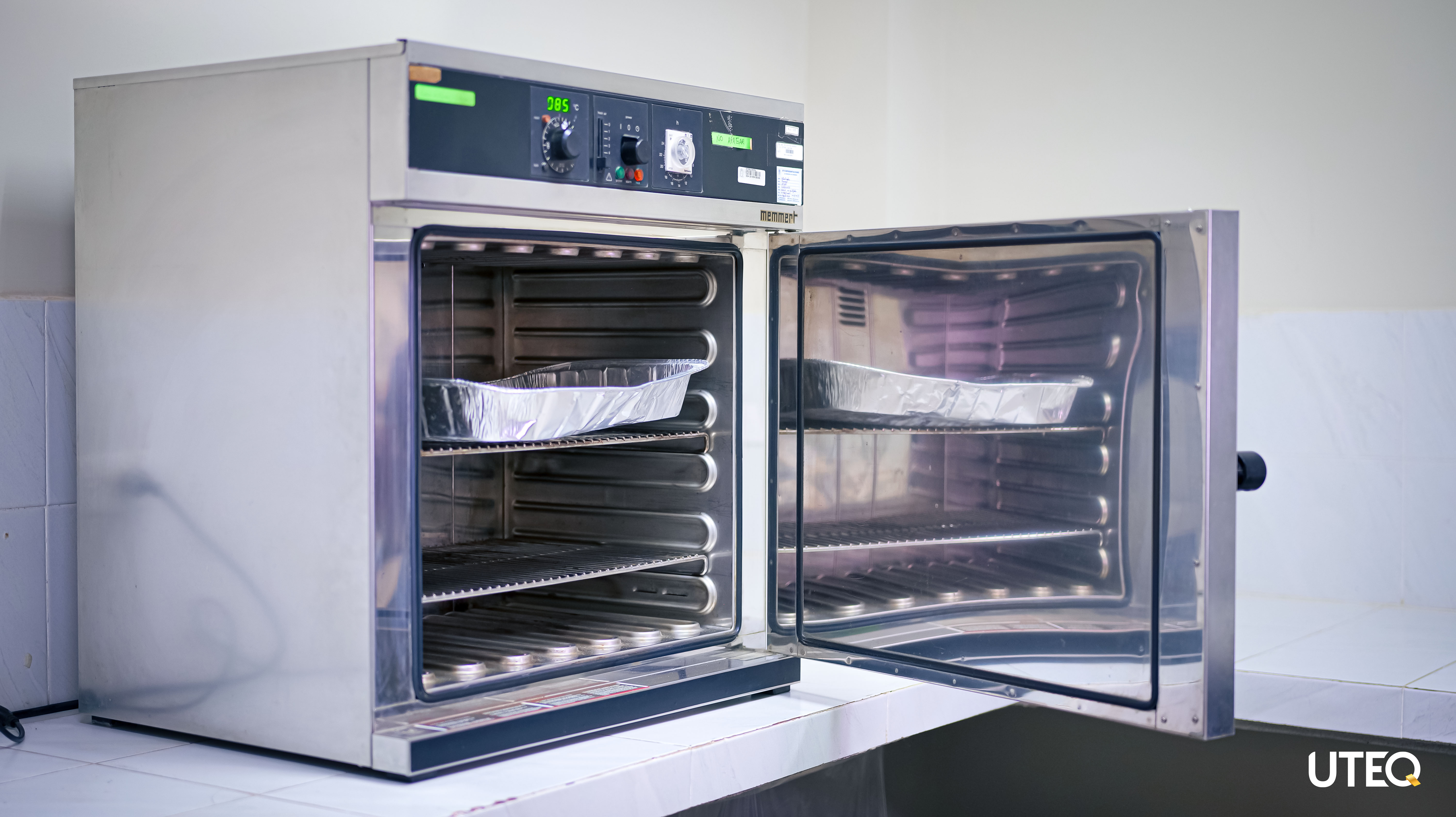
Drying oven

Muffle furnace

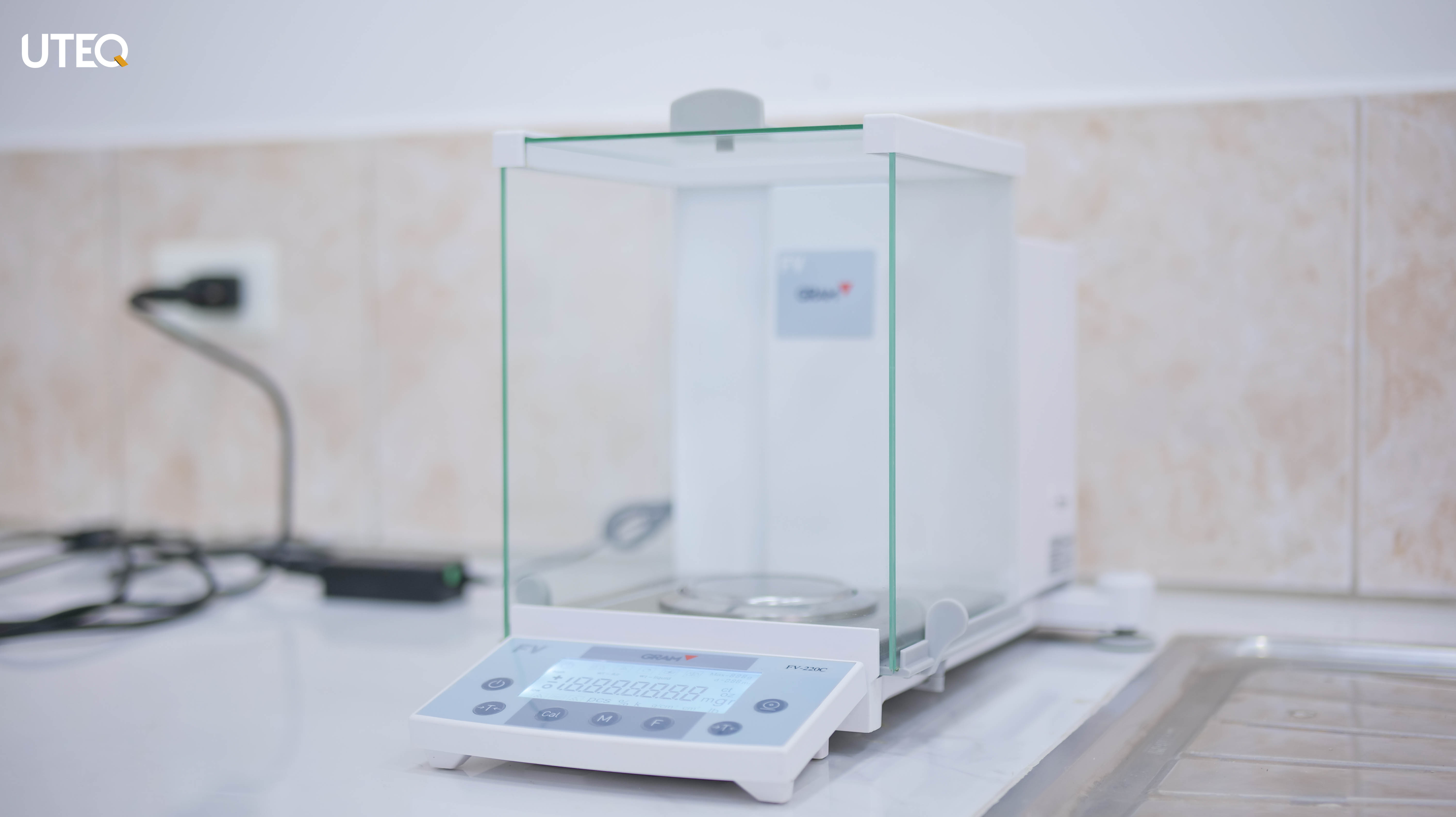
Analytical balance

Precision balance

Digestion unit

Distillation unit for protein determination

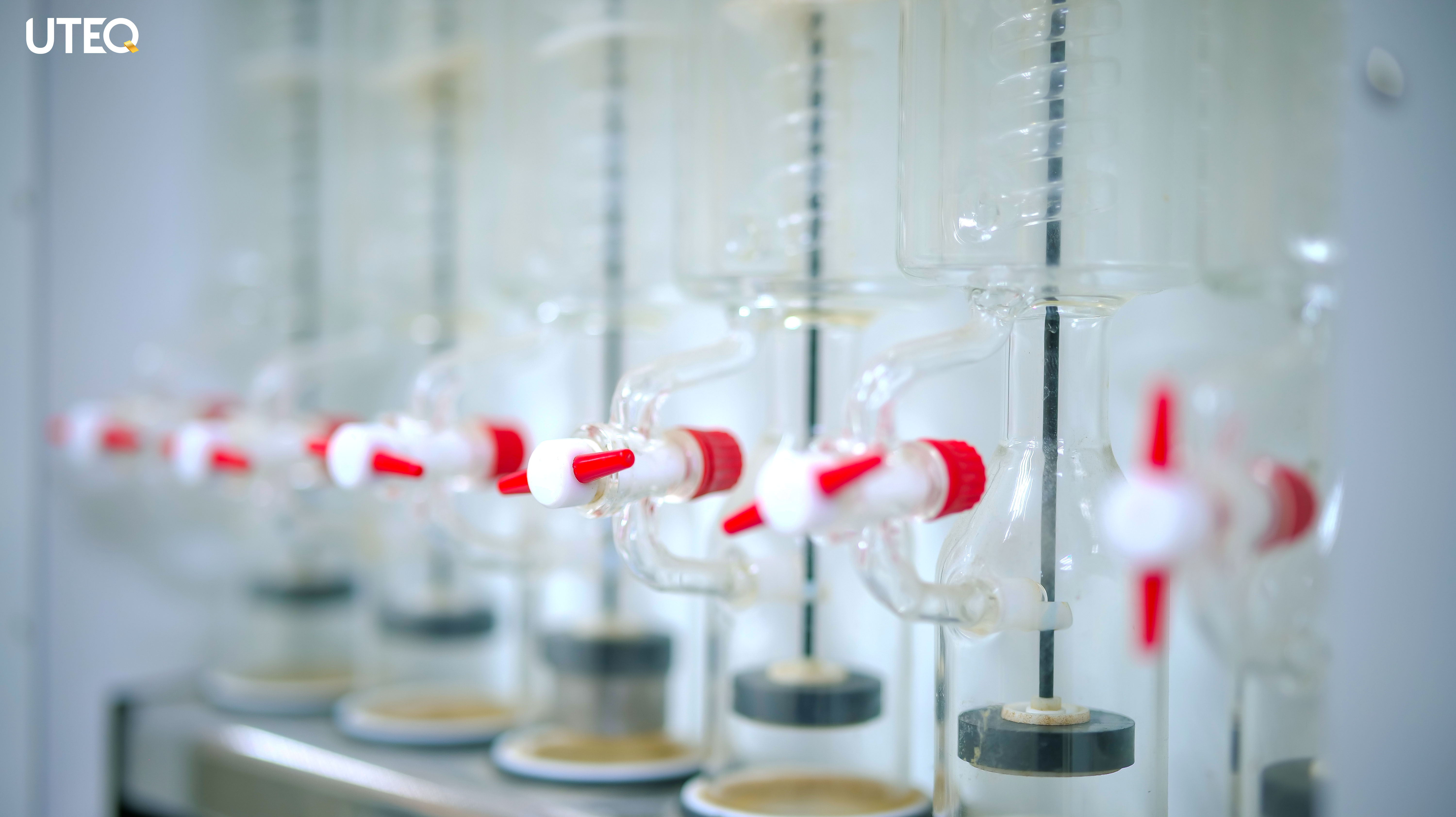
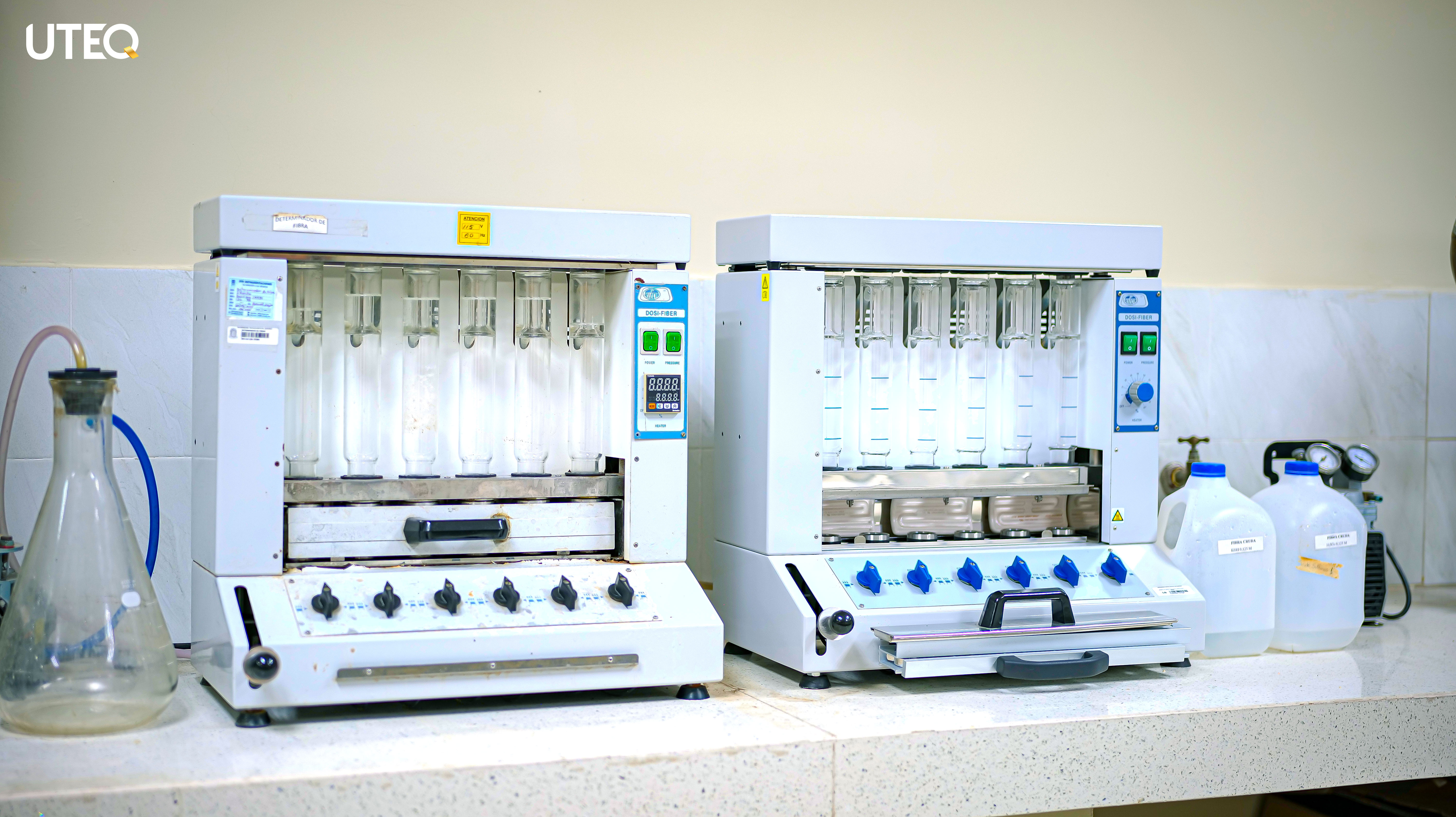
Fiber extractor

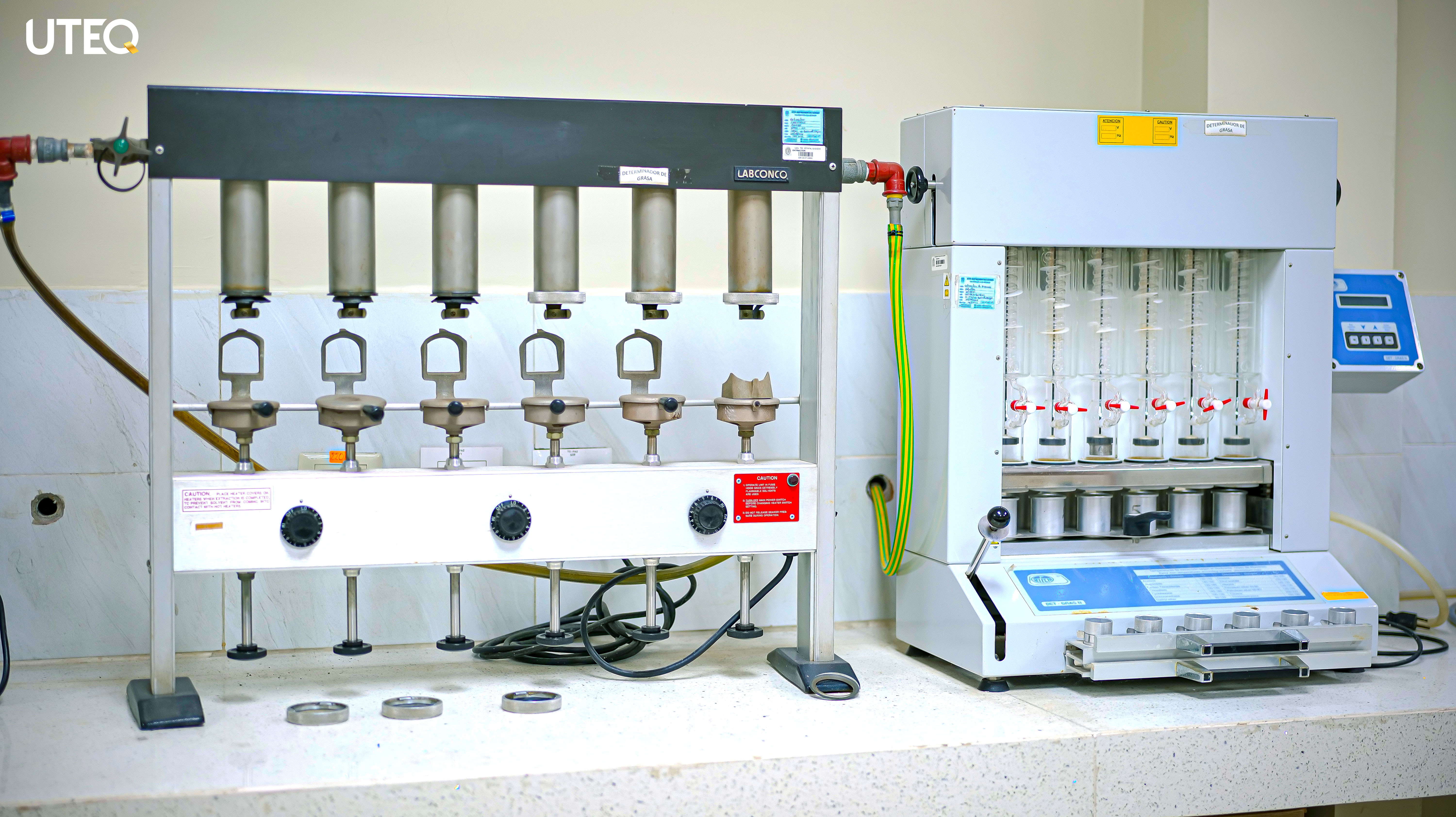
Fat extractor

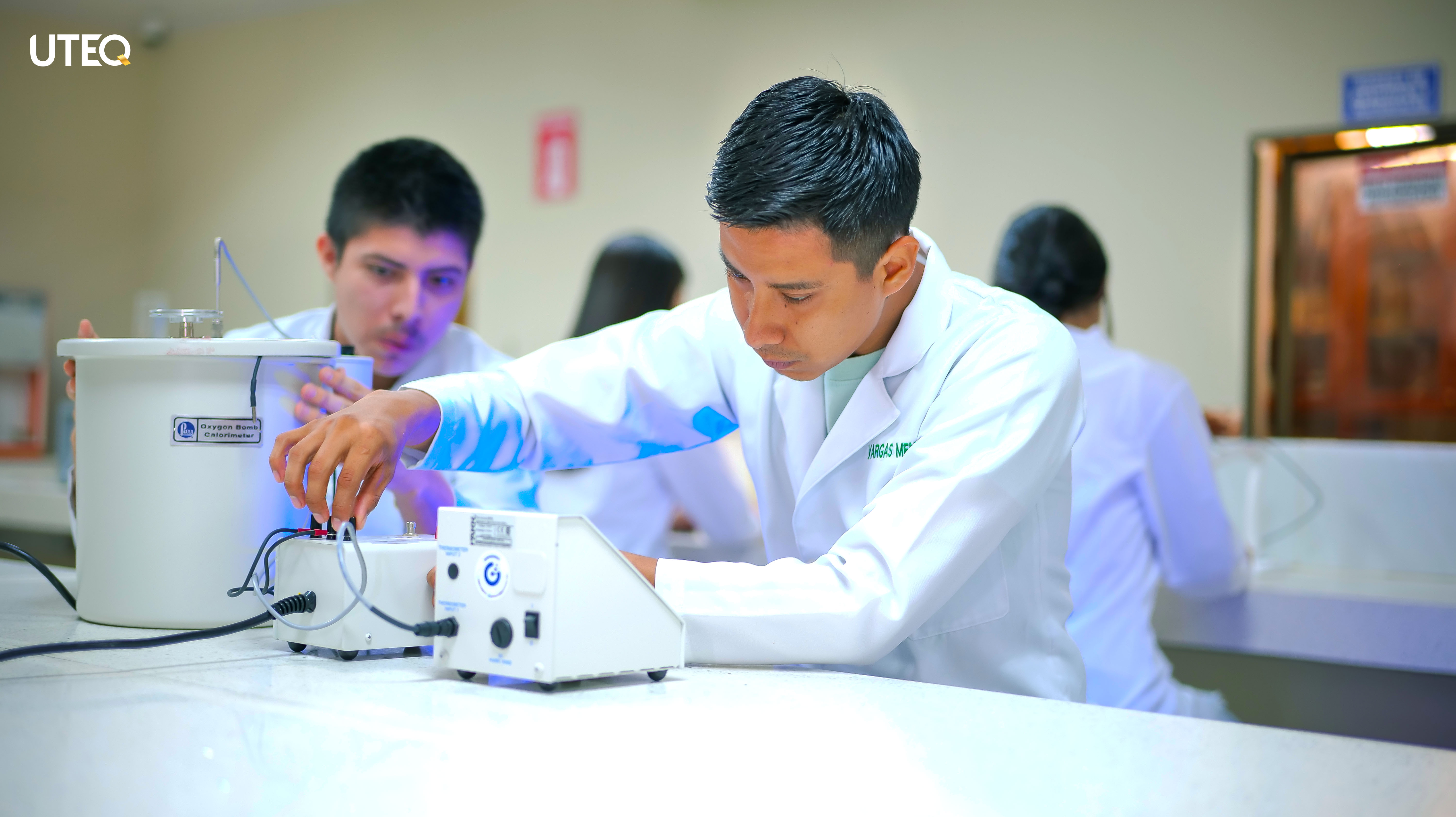
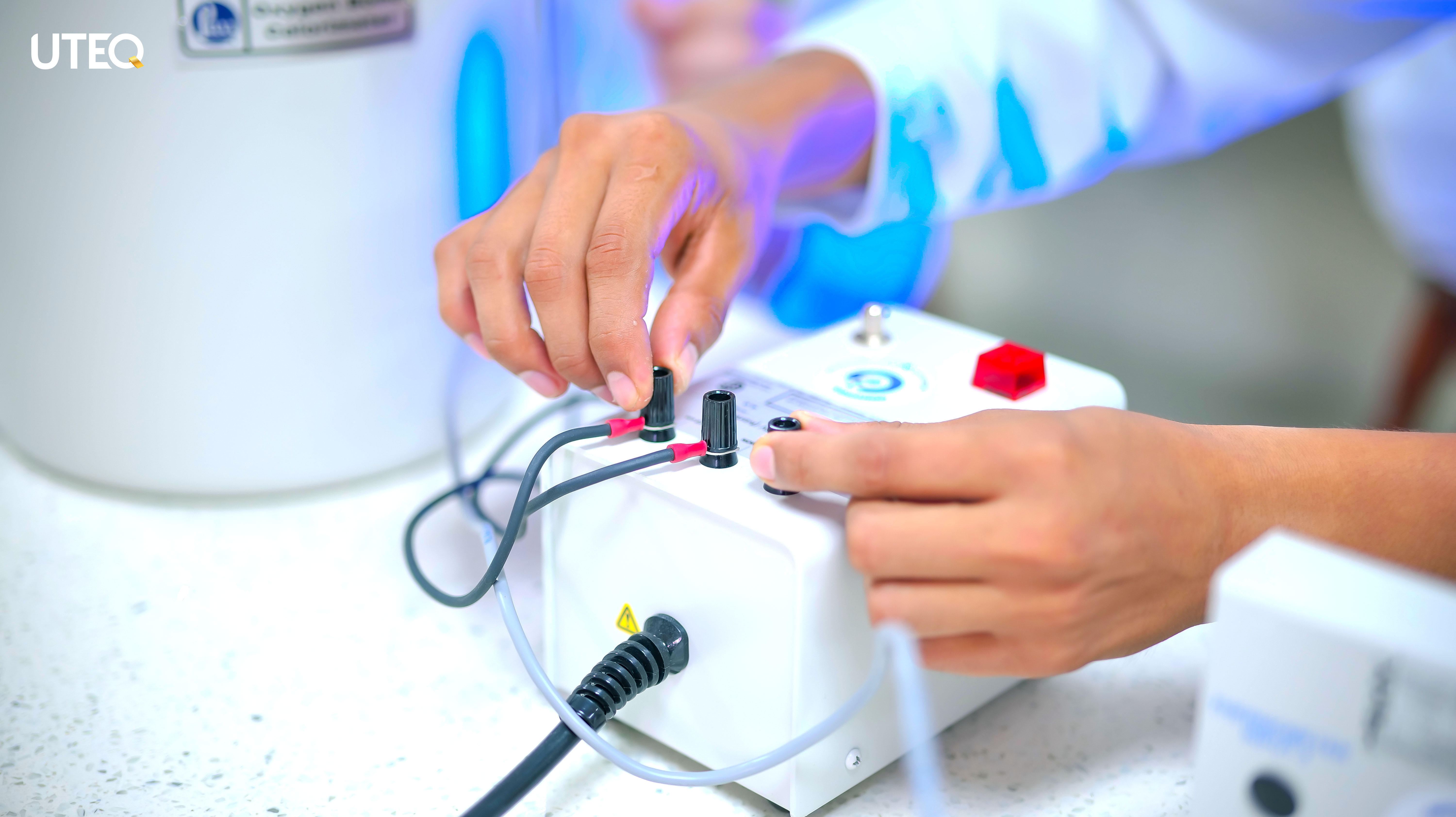
Calorimeter

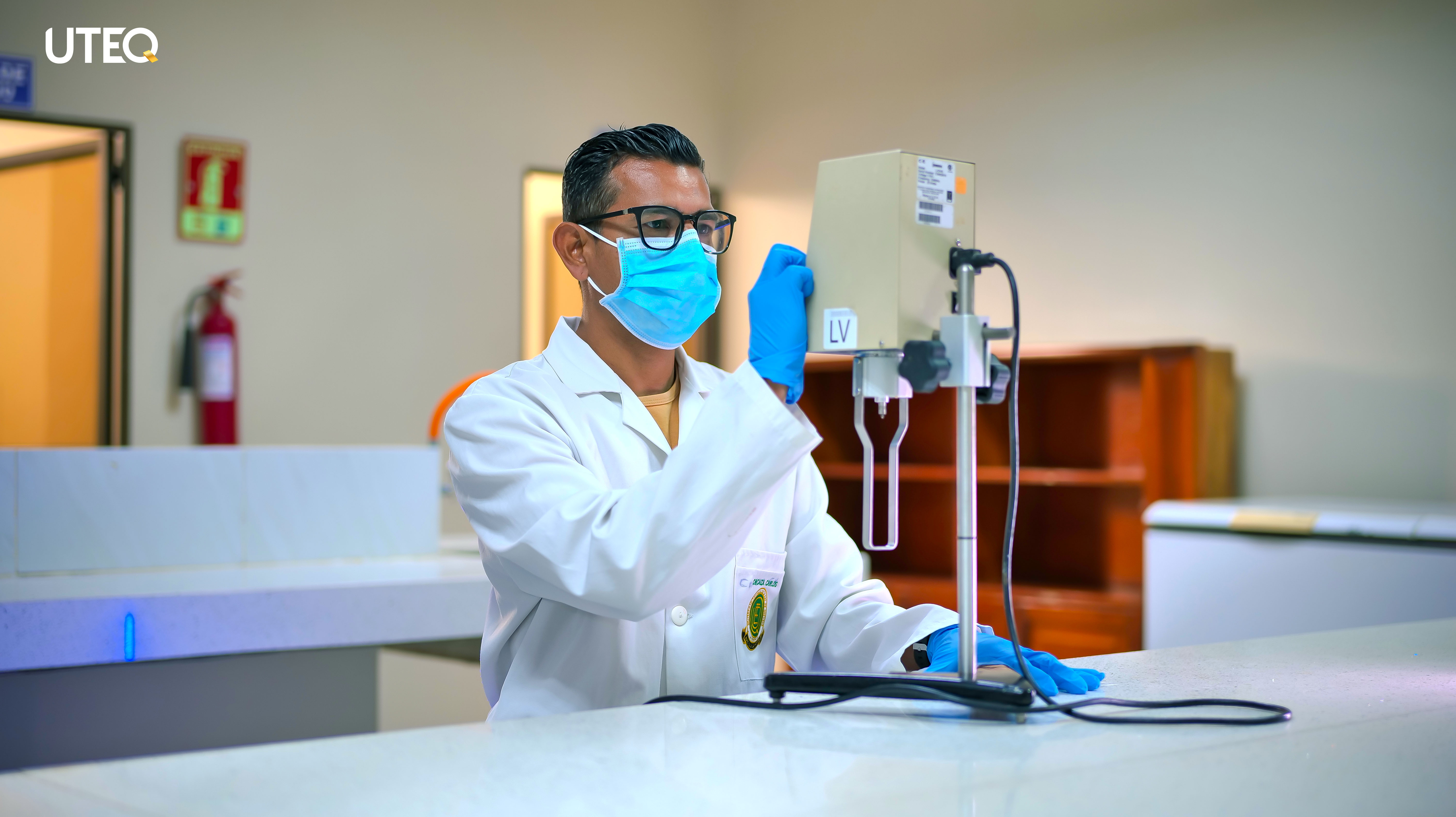
Brookfield viscometer

Microelisa reader

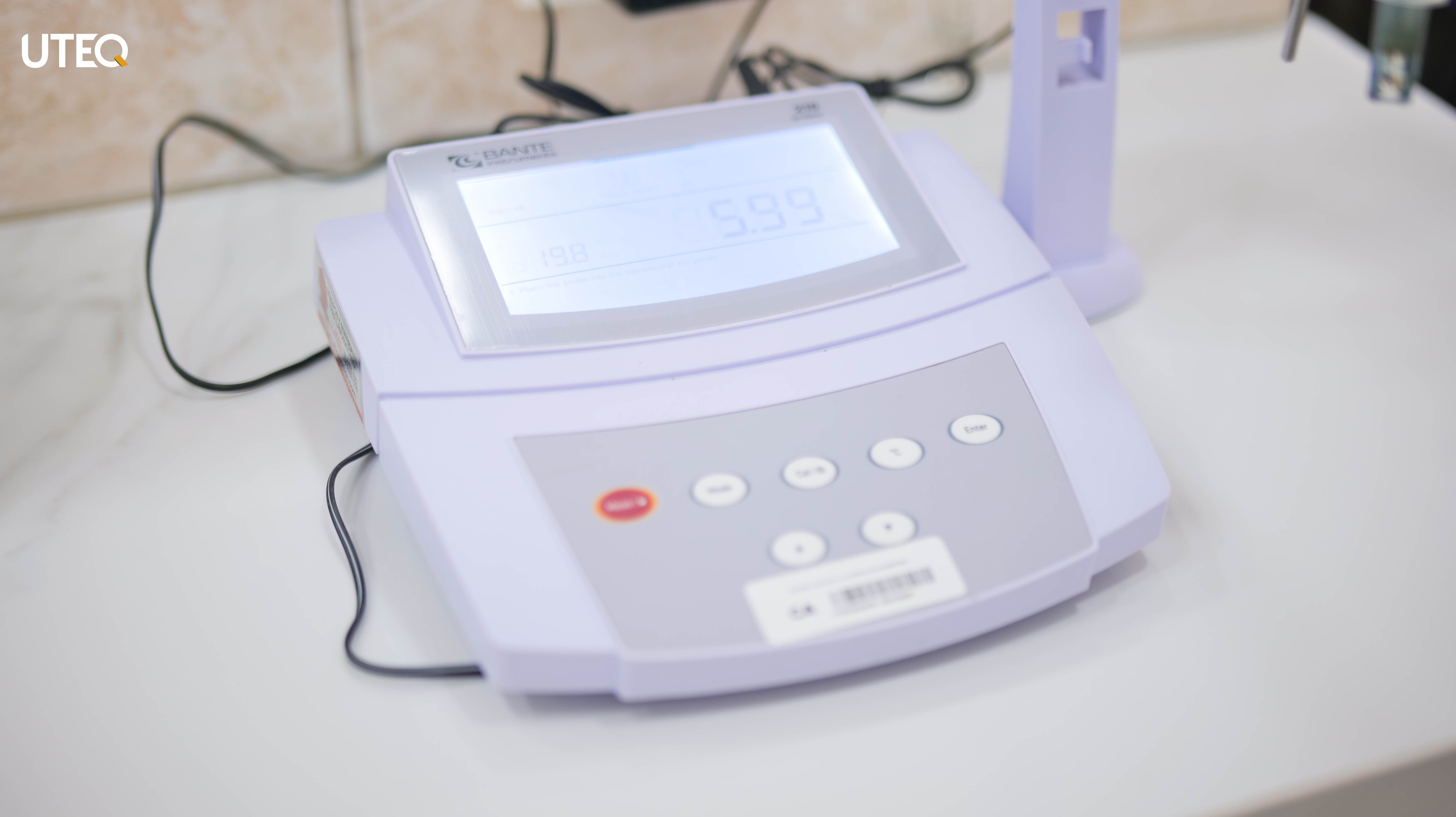
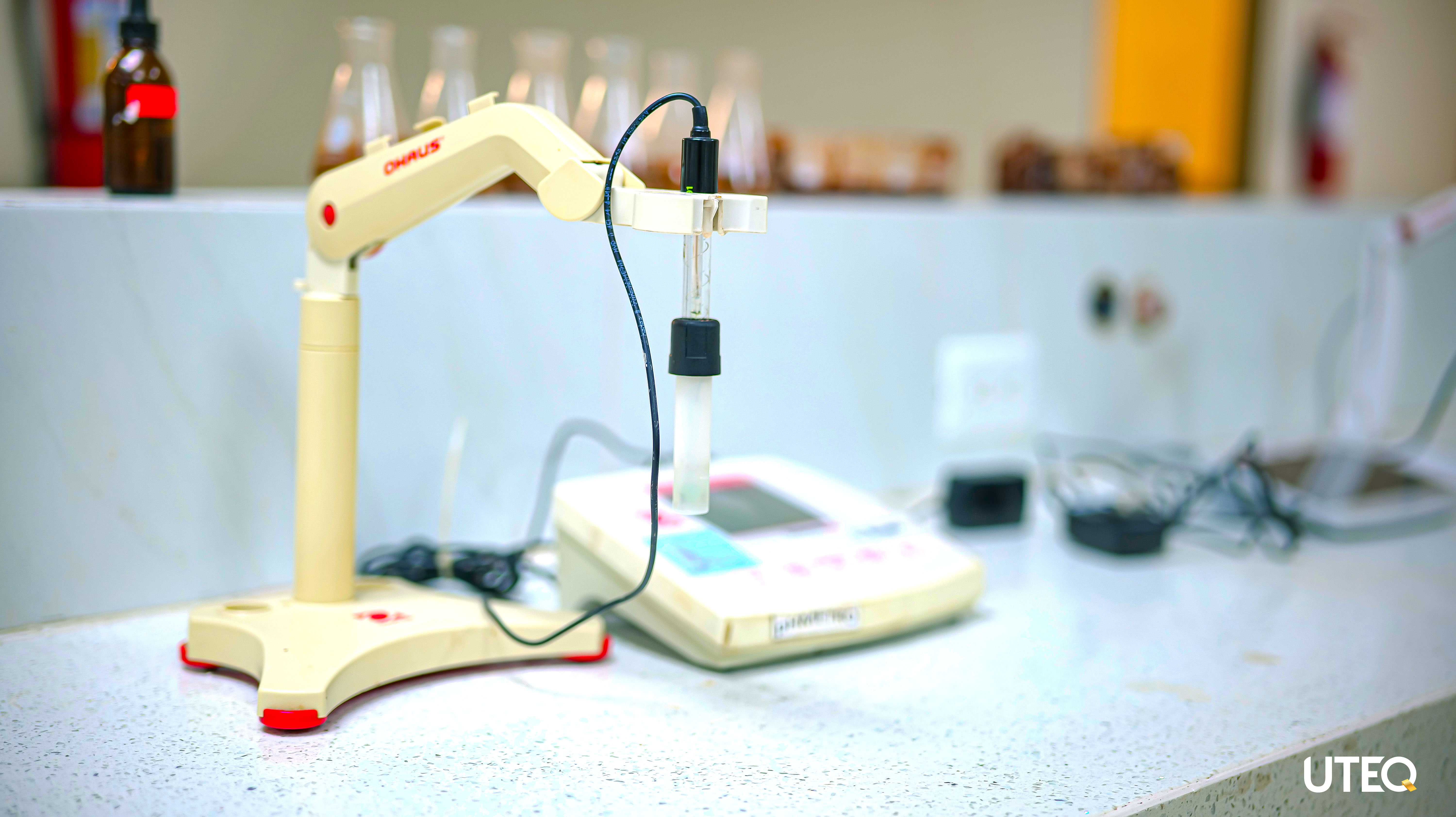
pH meter

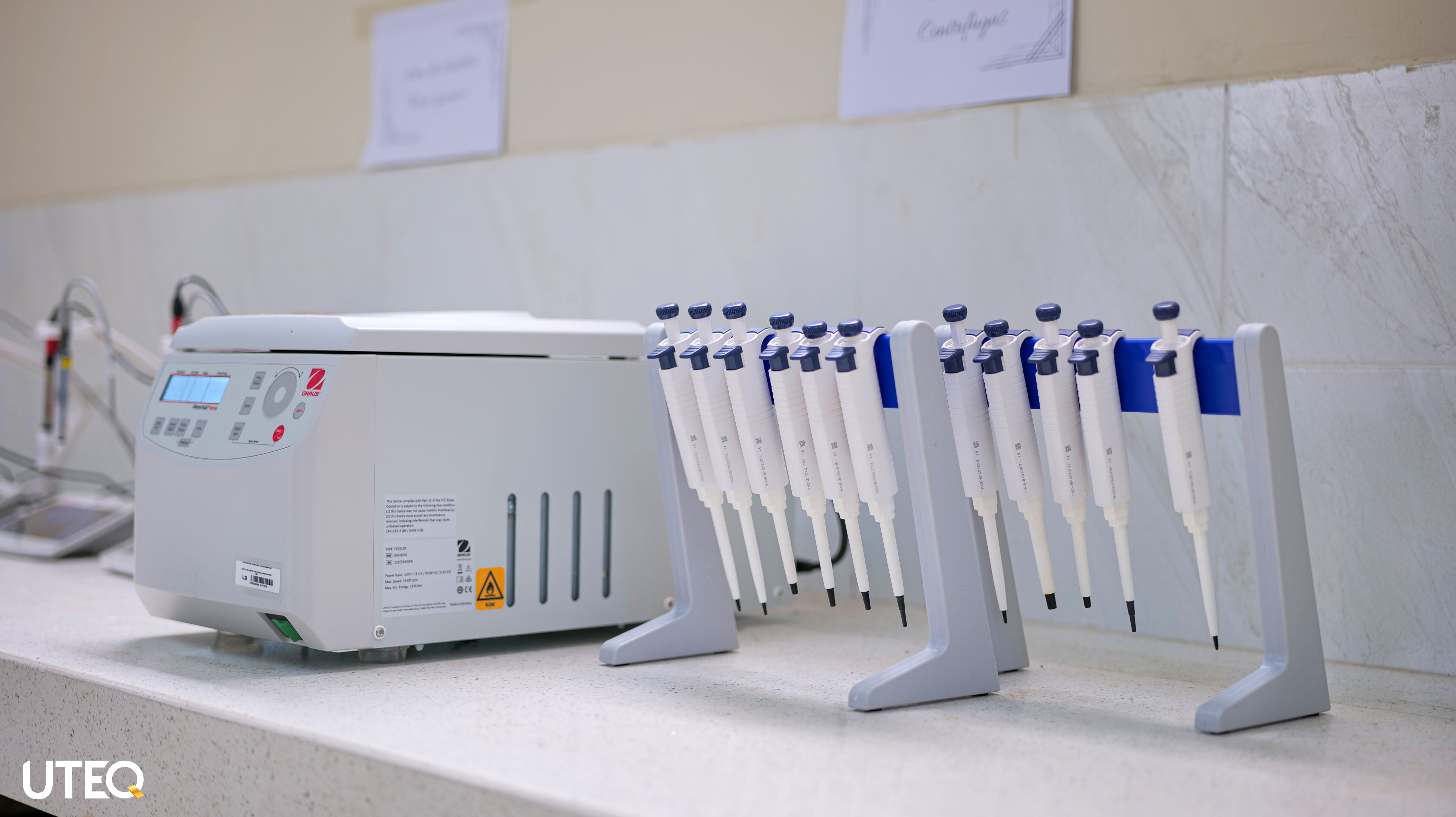
Centrifuge

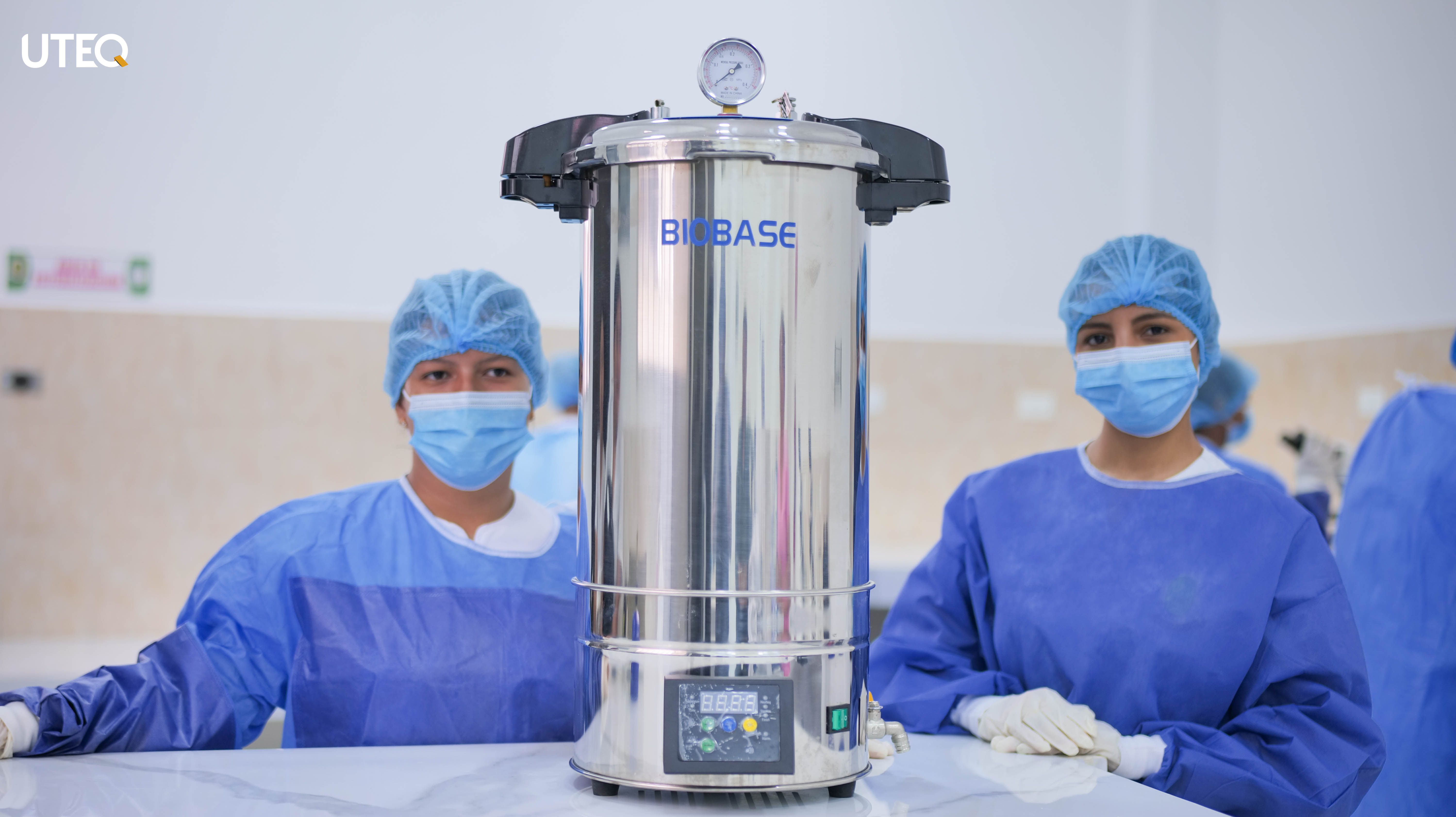
Autoclave

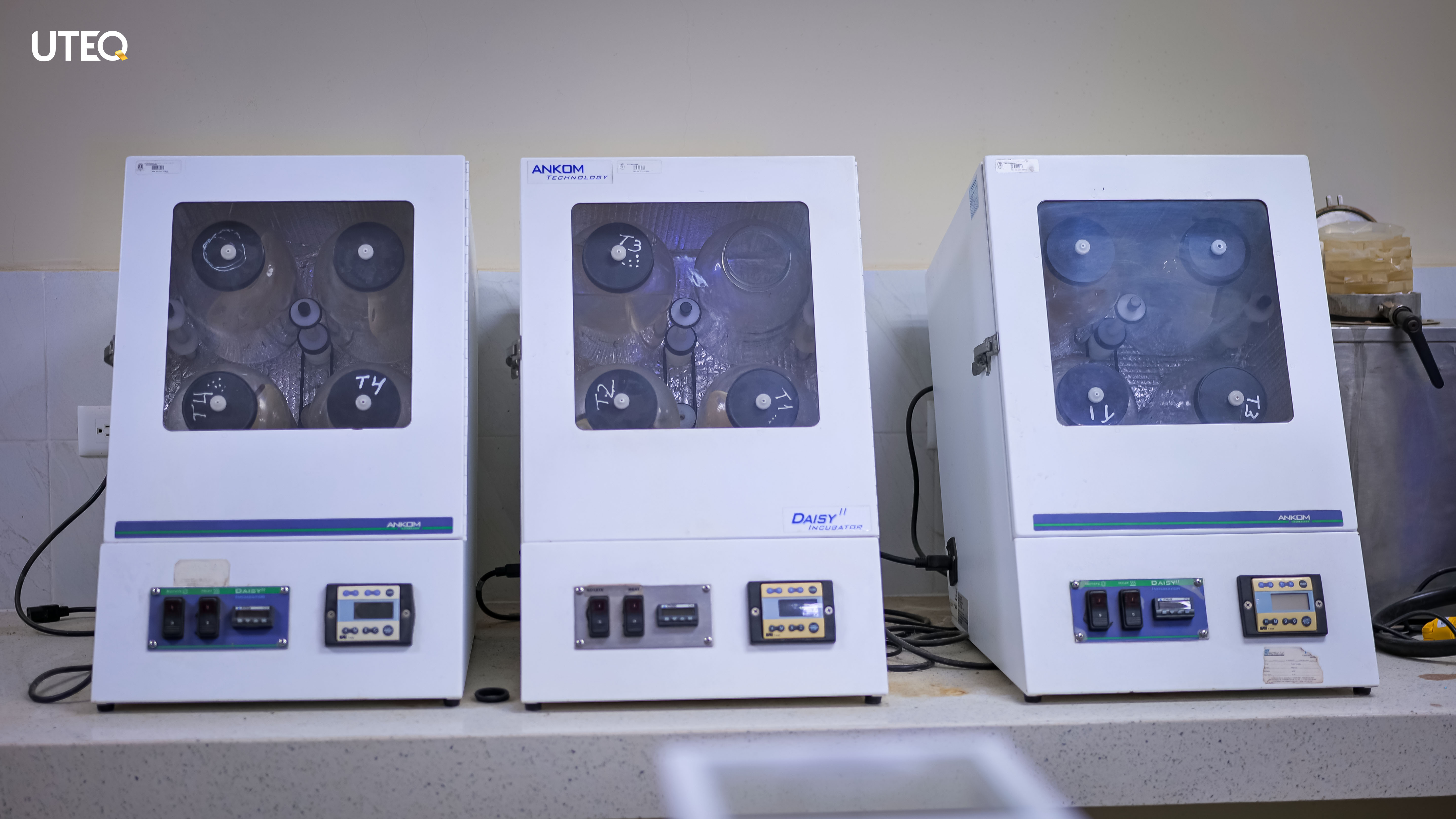
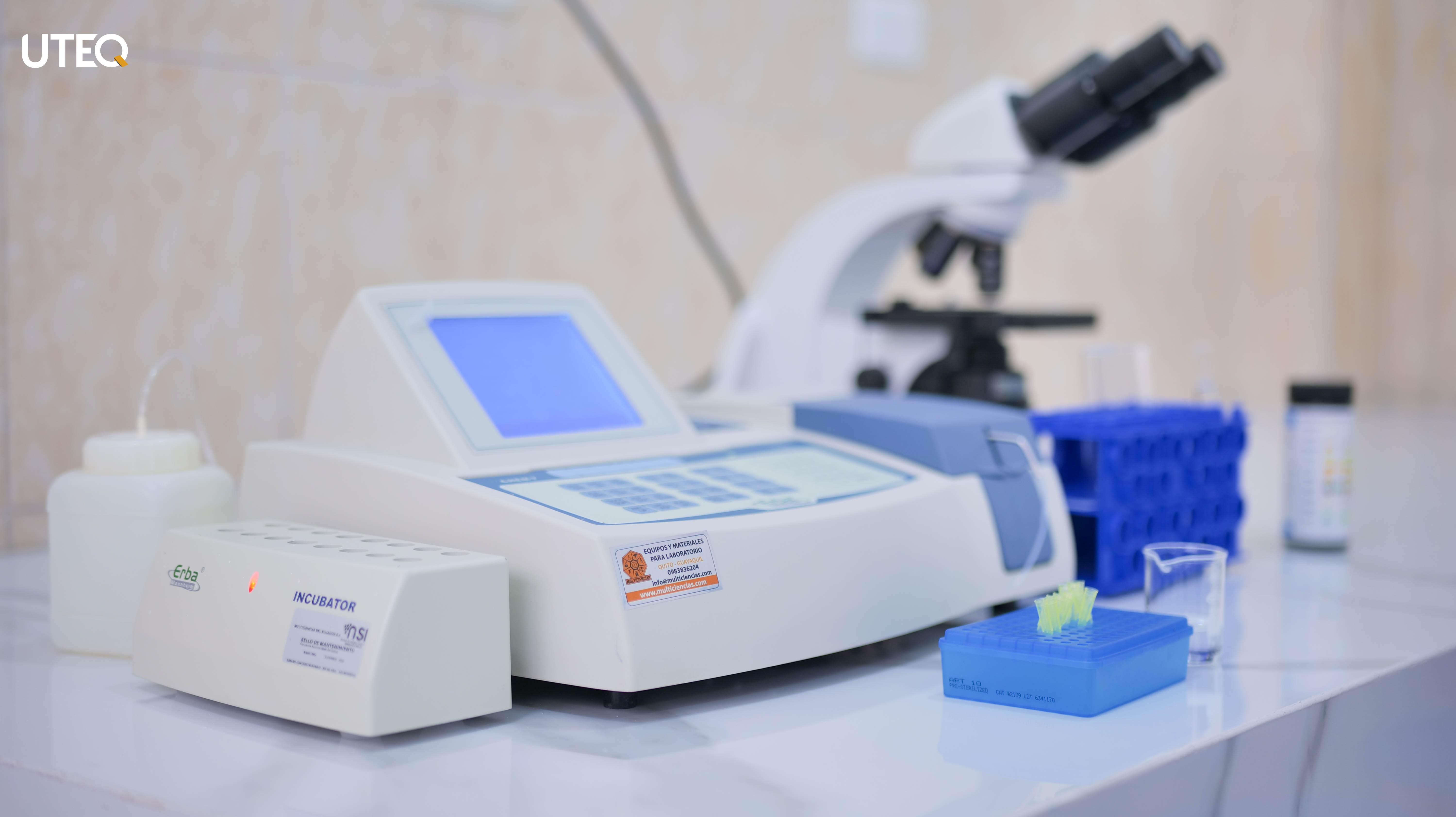
Incubator

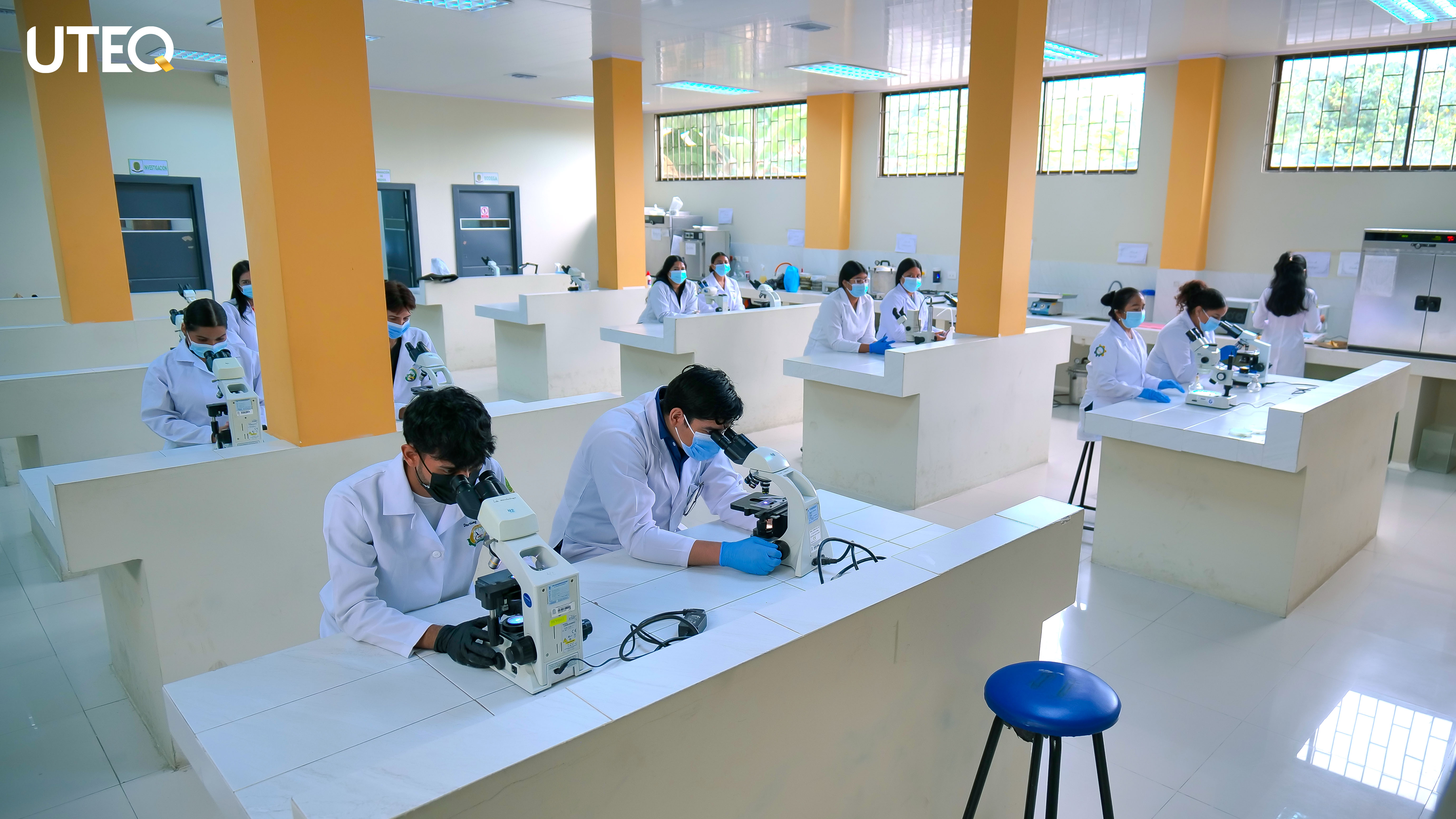
Microscope

Gallery

Activities carried out

  • Preparation, reception and conditioning of food samples of animal and plant origin
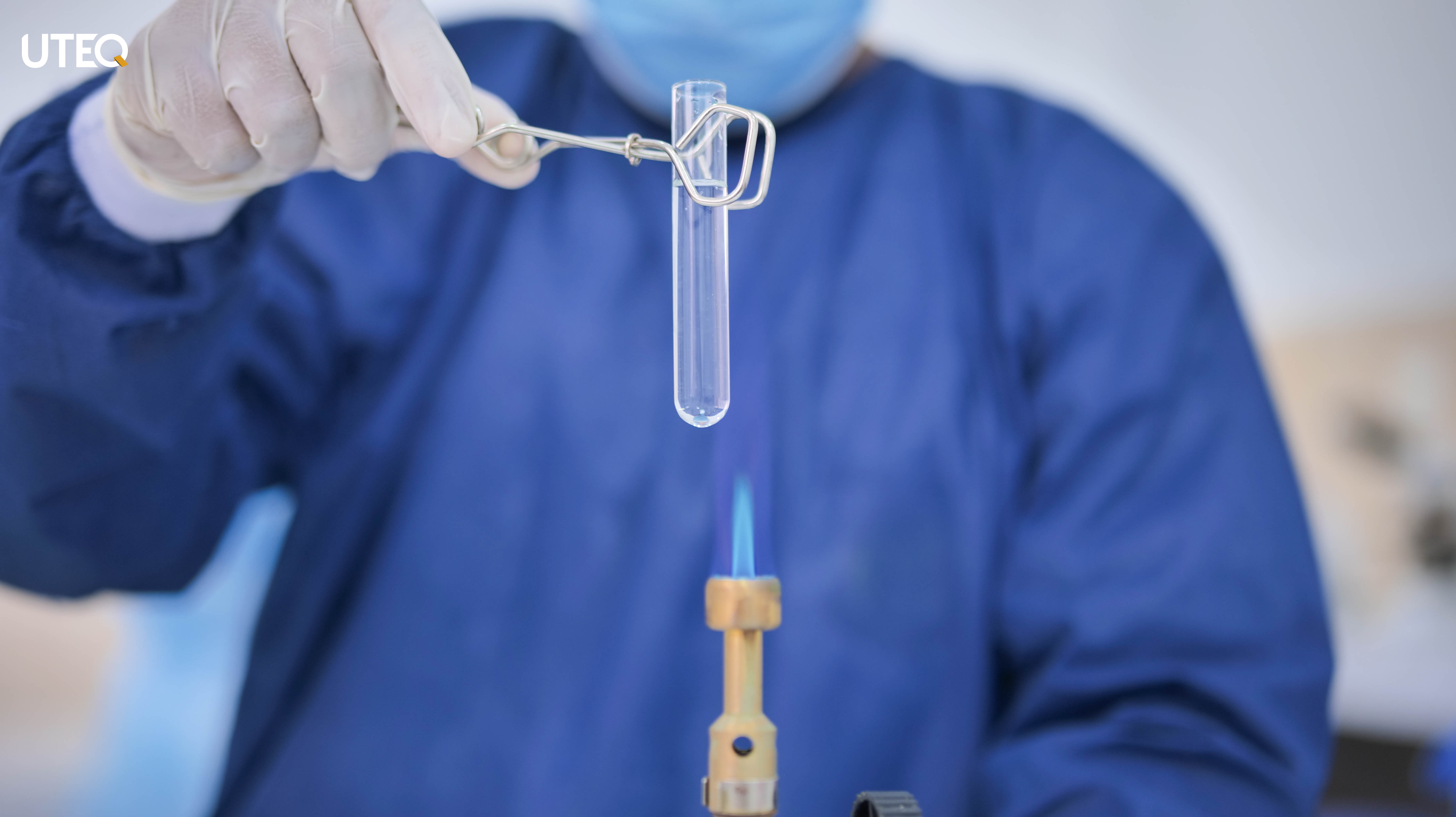
  • Bromatological, physicochemical and microbiological analyses
  • Bromatological analyses: moisture, ash, crude protein, ether extract, crude fiber and gross energy
  • Physicochemical parameters: titratable acidity, pH, refractive index, Brix degrees and viscosity
  • Microbiological analyses: determination of total aerobic microorganisms, total coliforms, molds and yeasts in food samples of animal and plant origin
Laboratory activities
BiotechnologyBiotechnologyBiotechnologyBiotechnologyBiotechnologyBiotechnologyBiotechnology
Capacity45 students
LocationLa María Campus
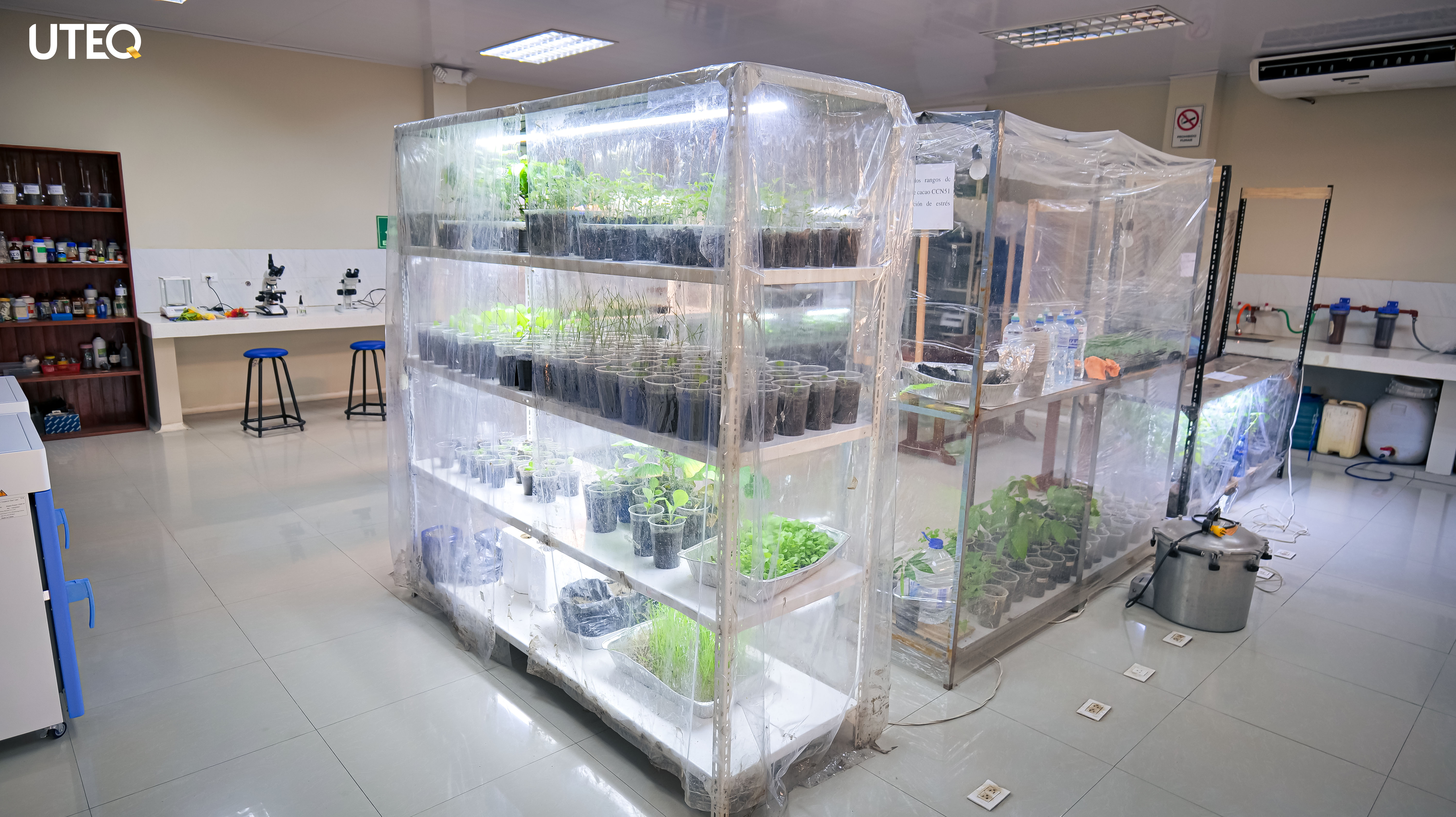
The laboratory is available to students of all UTEQ majors, master's students, and internal and external researchers. It has the areas of Plant Tissue Culture, Microbiology and Molecular Biology (LAB-DICYT).
Equipment

Sequencer and analyzer

Thermal cycler

NanoDrop spectrophotometer

Qubit Quantitation

Refrigerated multiple centrifuge

Autoclave

Flow cabinet

Safety cabinet

Microscope

Analytical balance

Distiller

Digital BOD meter with rotating sensor

Spectrophotometer

Benchtop multiparameter meter

Electrophoresis chamber

Gallery

Activities carried out

  • In vitro plant cultivation and propagation
  • Isolation and characterization of microorganisms
  • DNA and RNA extraction and analysis
  • PCR and electrophoresis
  • Genetic characterization
  • Research in plant biotechnology and microbiology
  • Practical training and support for research projects
Laboratory activities
Unit OperationsUnit OperationsUnit OperationsUnit OperationsUnit OperationsUnit OperationsUnit OperationsUnit OperationsUnit OperationsUnit OperationsUnit OperationsUnit OperationsUnit OperationsUnit OperationsUnit OperationsUnit OperationsUnit Operations
Capacity45 students
LocationLa María Campus
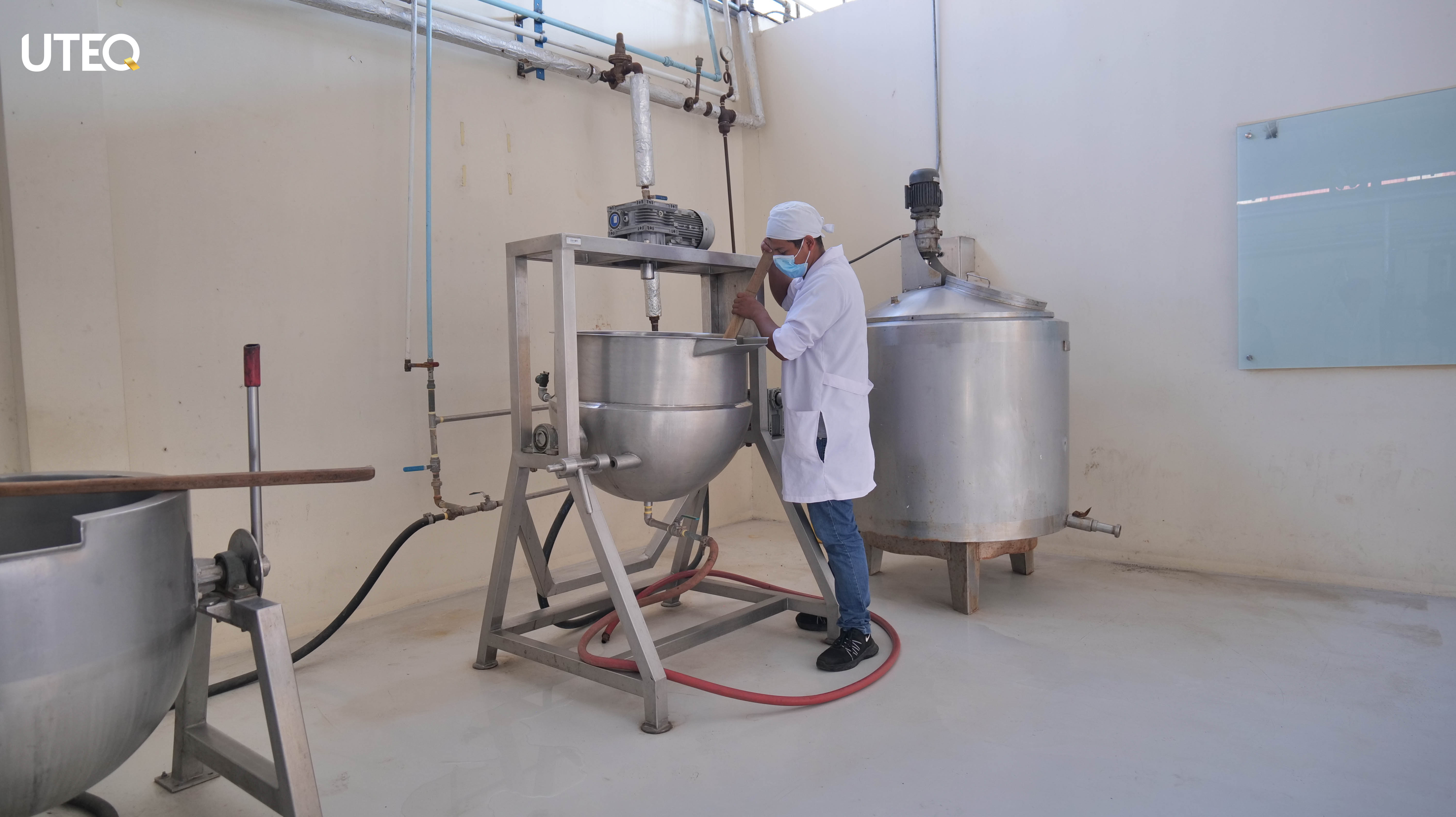
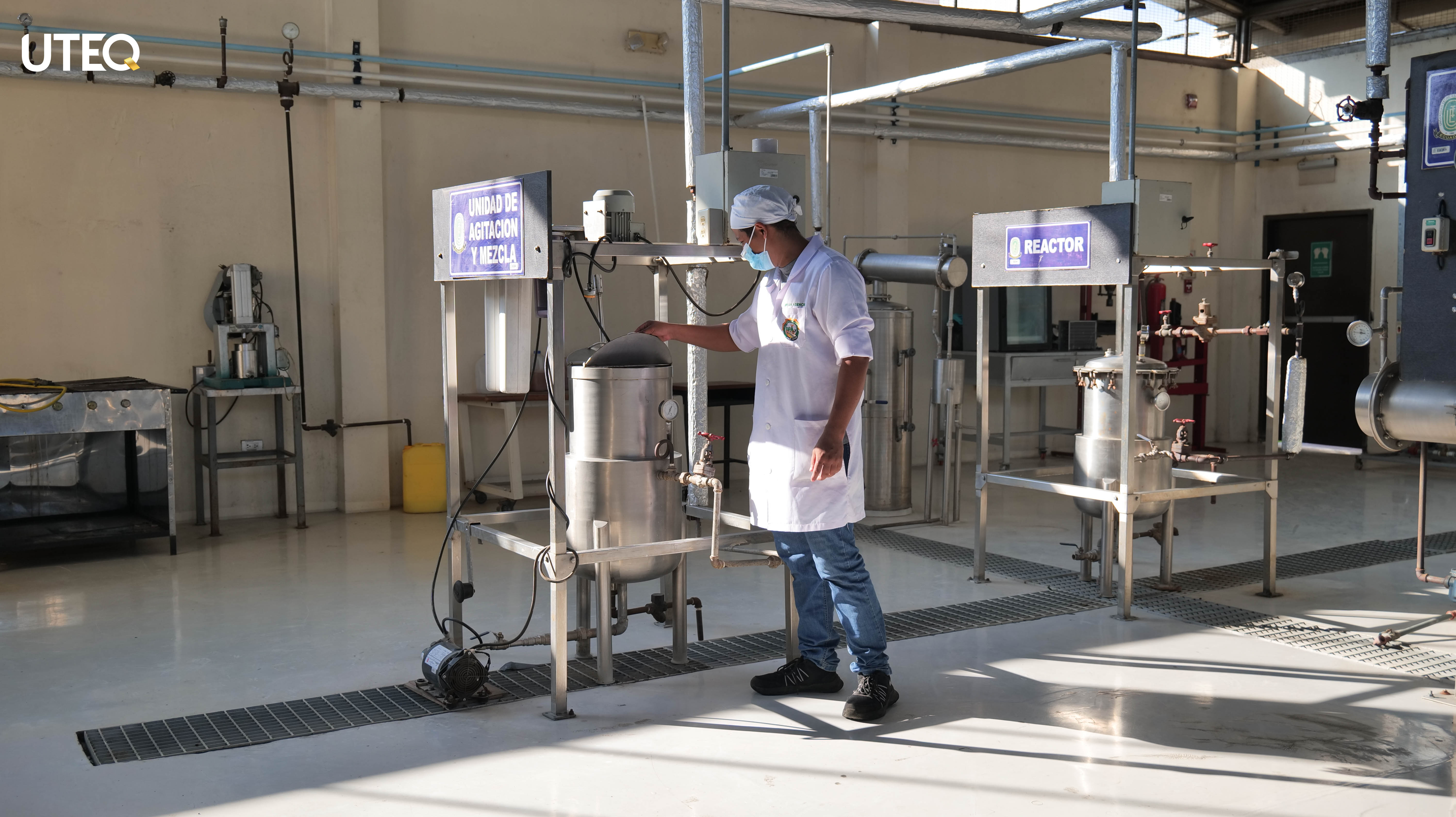
This space is dedicated to the practical application of fundamental engineering principles, where various physical and physicochemical processes used in the transformation and processing of raw materials are studied and tested. Through experimental exercises, different operations are analyzed, enabling an understanding of how industrial equipment and processes function. Furthermore, the laboratory facilitates the collection and interpretation of experimental data, the performance of engineering calculations, and the evaluation of process efficiency.
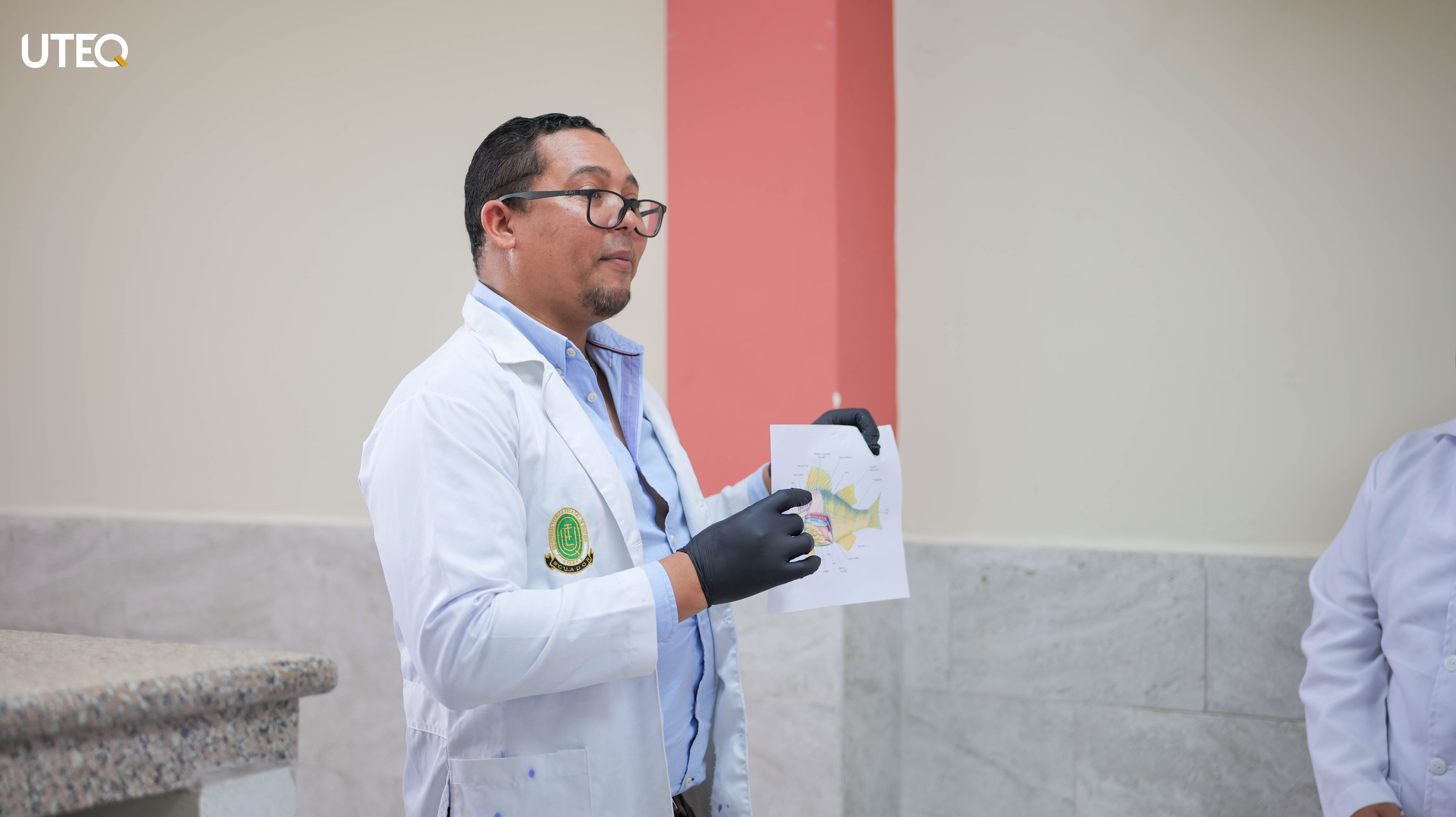
Equipment

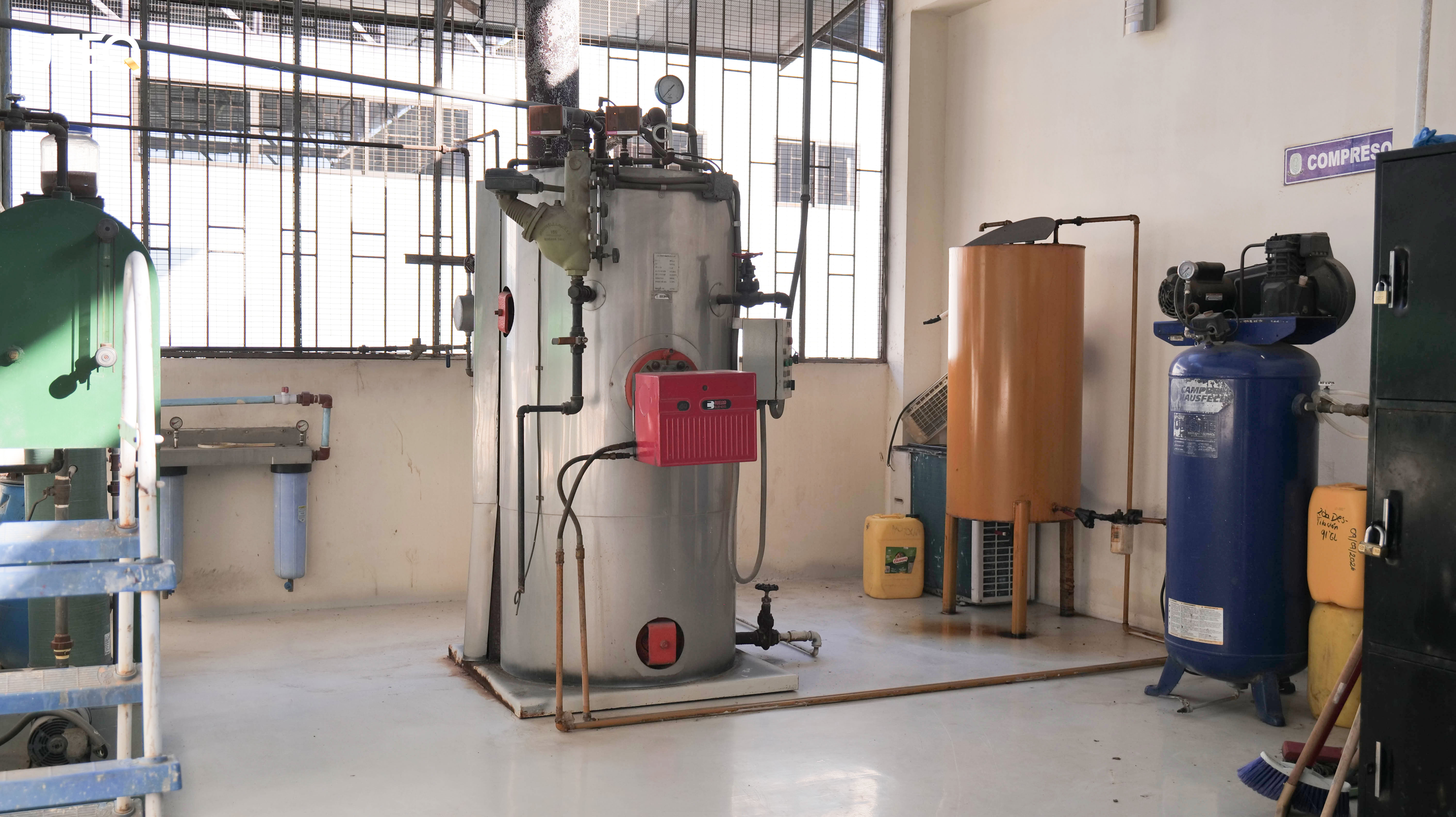
Fire-tube boiler

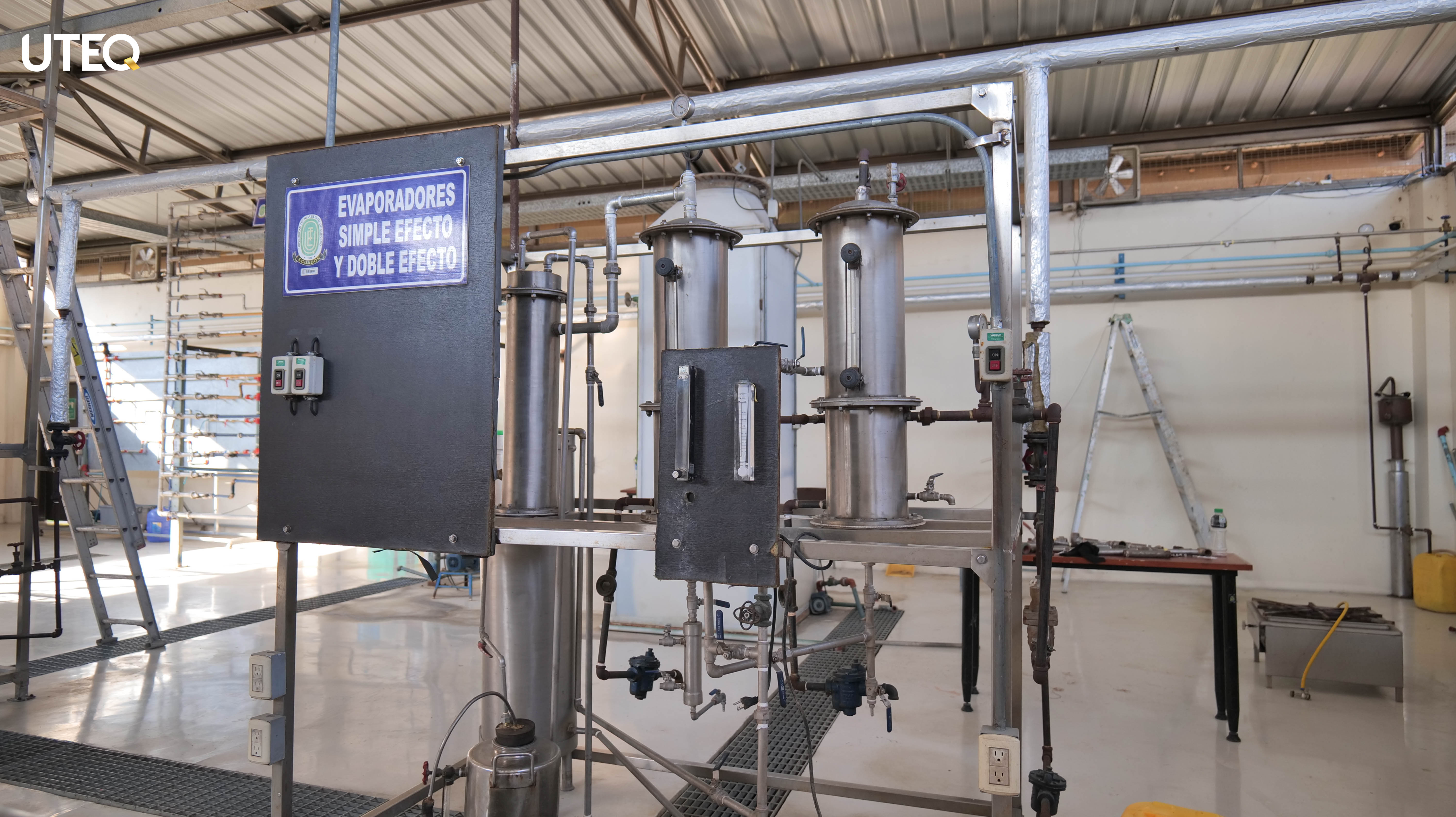
Single and double-effect evaporator

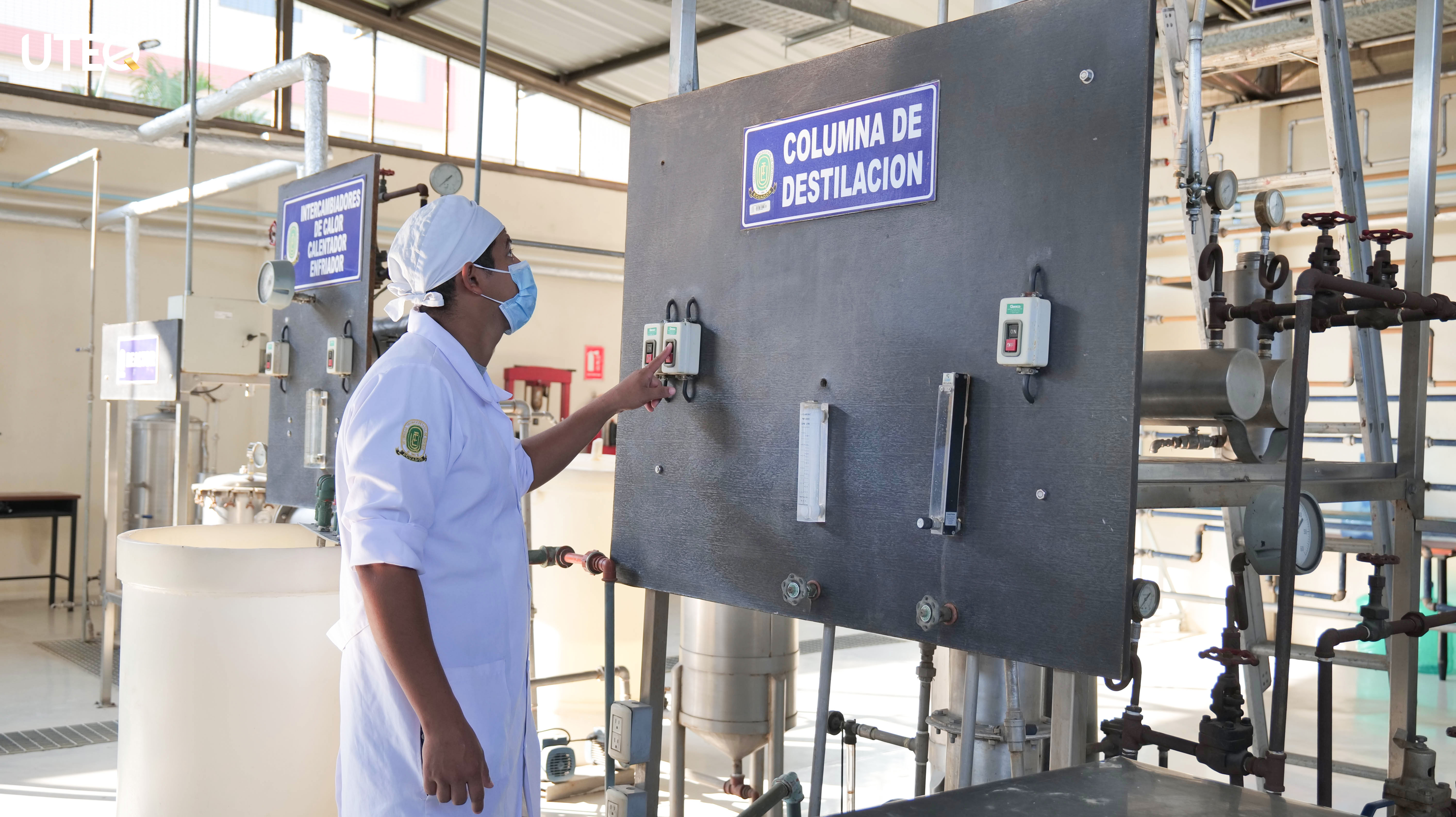
Distillation column

Cooling tower

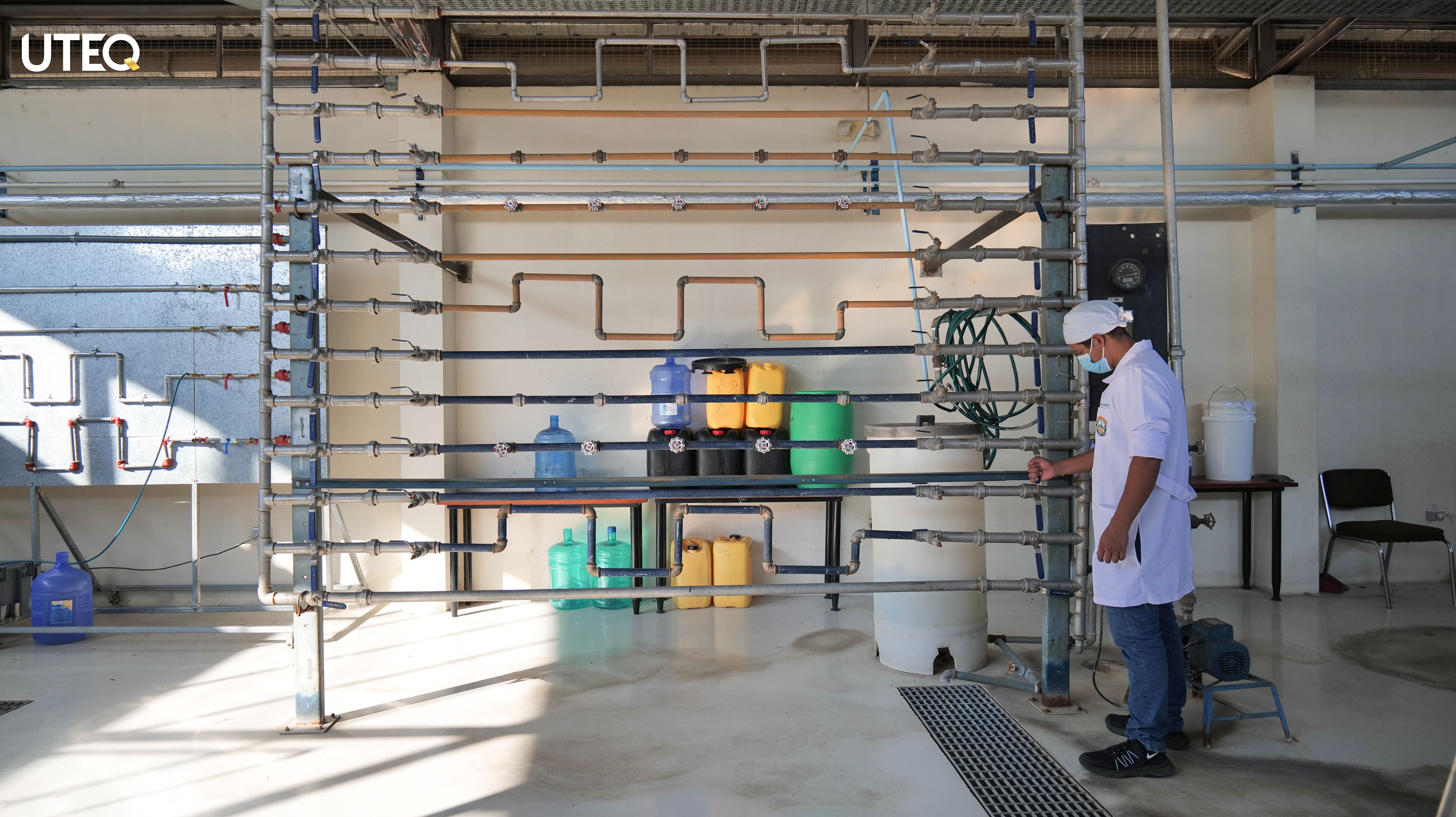
Pressure loss unit

Water distiller

Heat exchanger

Liquid mixer

Chemical reactor

Artisanal alcohol distiller

Simple vessel with agitation

Gallery

Activities carried out

  • Main activities
  • Flow and fluid measurement
  • Heat transfer
  • Separation processes
  • Size reduction and mixing
  • Material and energy balances
Laboratory activities
Experimental AquacultureExperimental AquacultureExperimental AquacultureExperimental AquacultureExperimental AquacultureExperimental AquacultureExperimental AquacultureExperimental AquacultureExperimental AquacultureExperimental AquacultureExperimental AquacultureExperimental AquacultureExperimental AquacultureExperimental AquacultureExperimental AquacultureExperimental AquacultureExperimental AquacultureExperimental AquacultureExperimental AquacultureExperimental AquacultureExperimental AquacultureExperimental AquacultureExperimental AquacultureExperimental AquacultureExperimental AquacultureExperimental Aquaculture
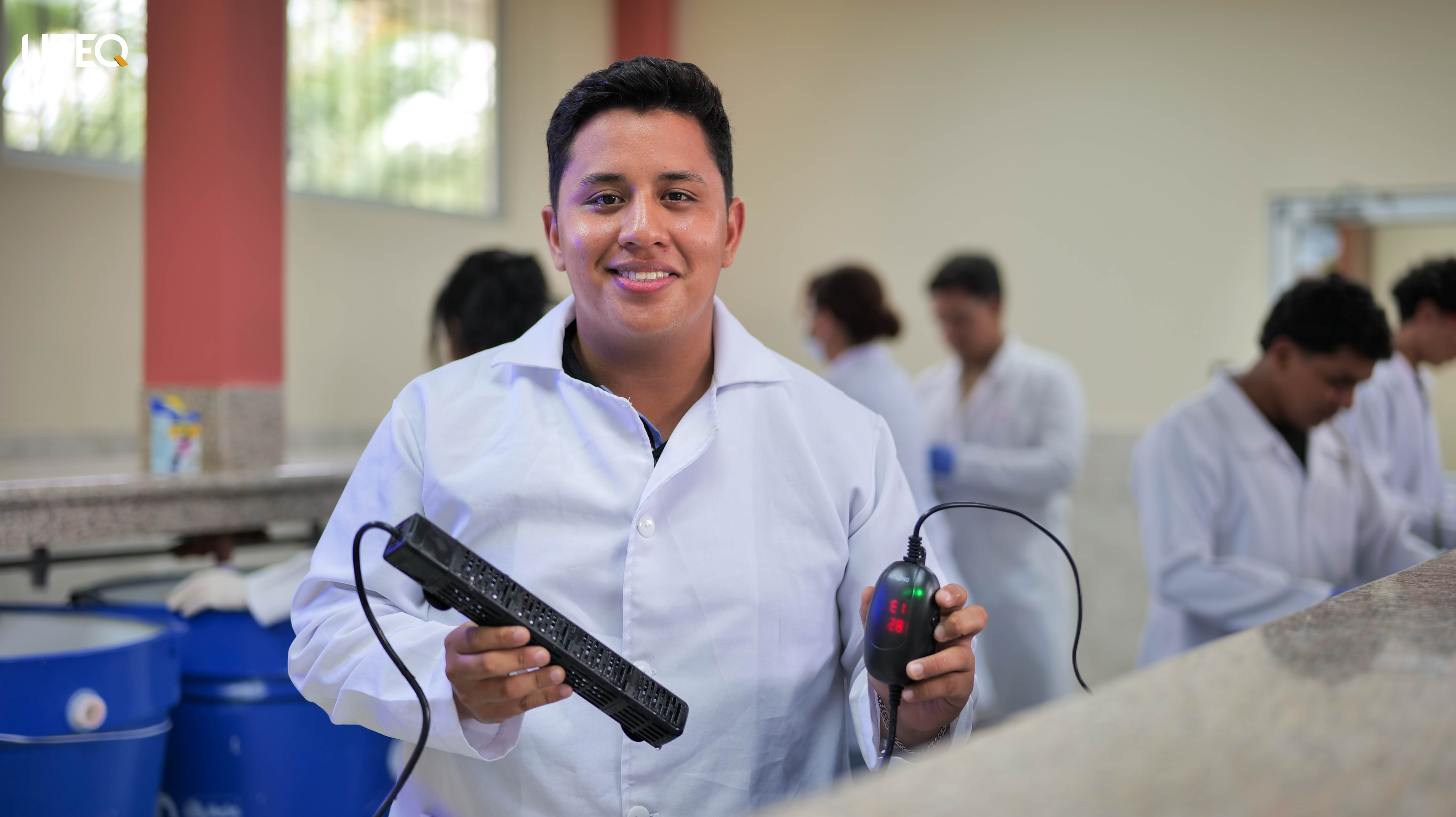
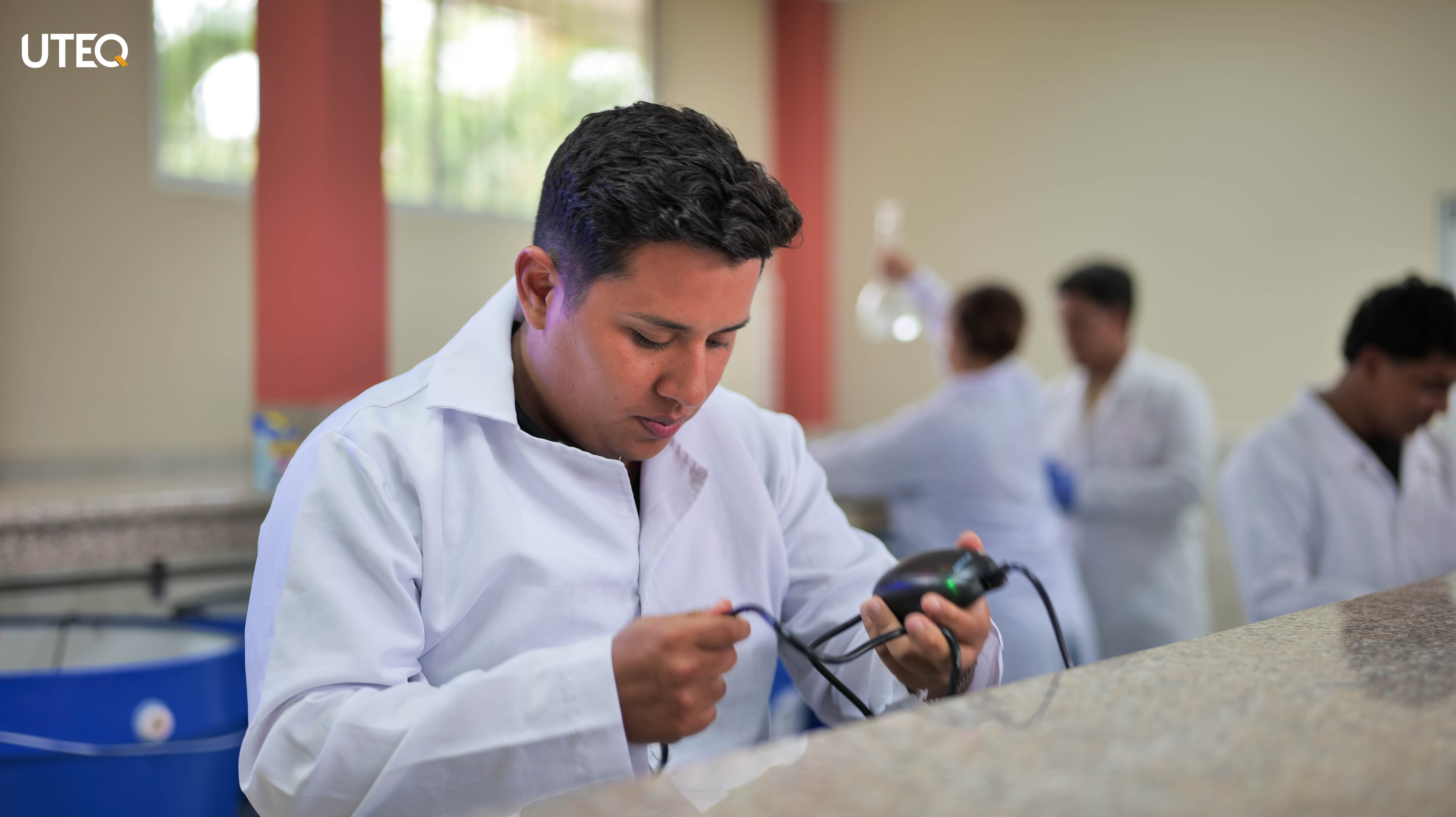
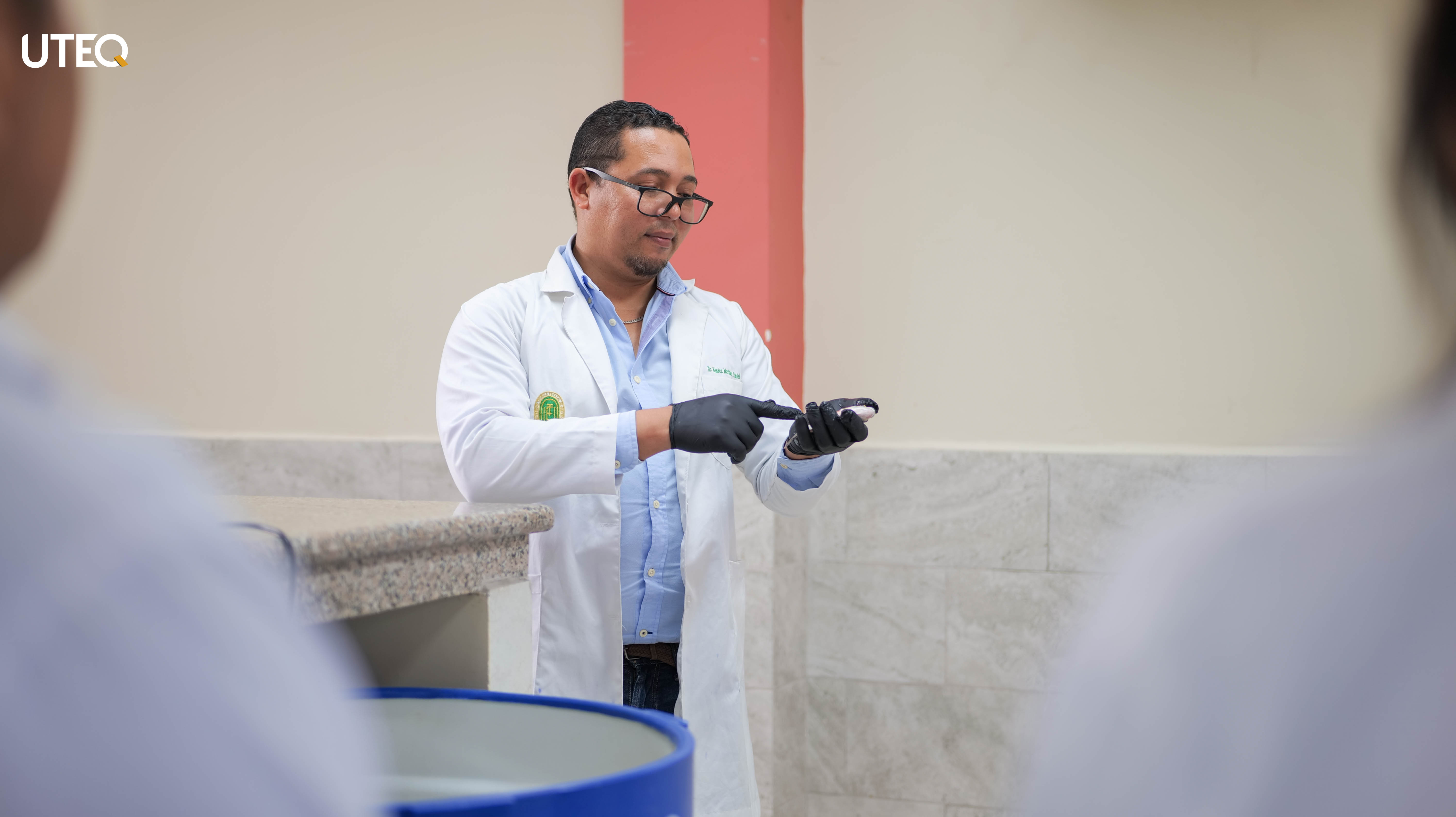
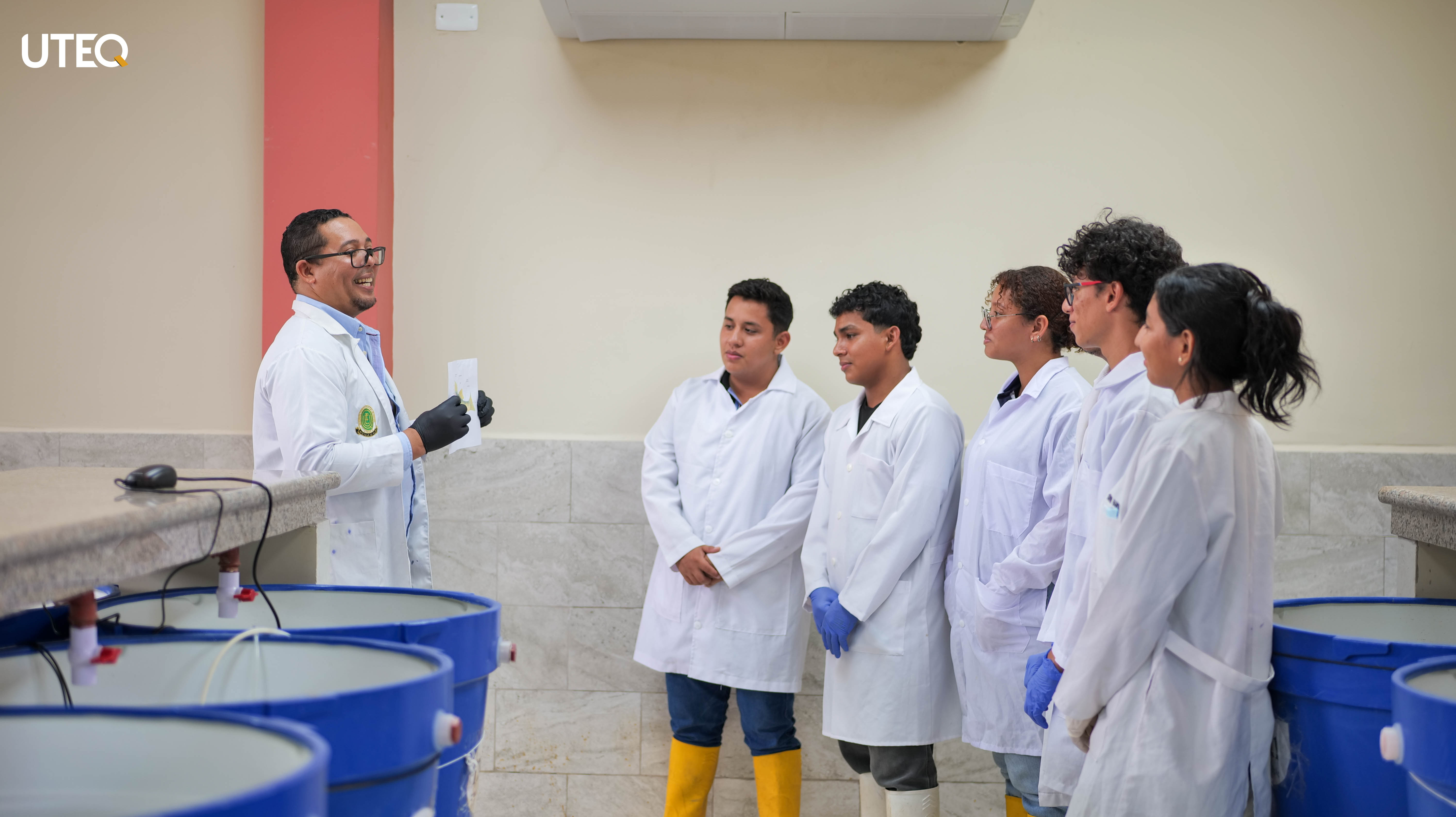
Capacity20 students
LocationLa María Campus
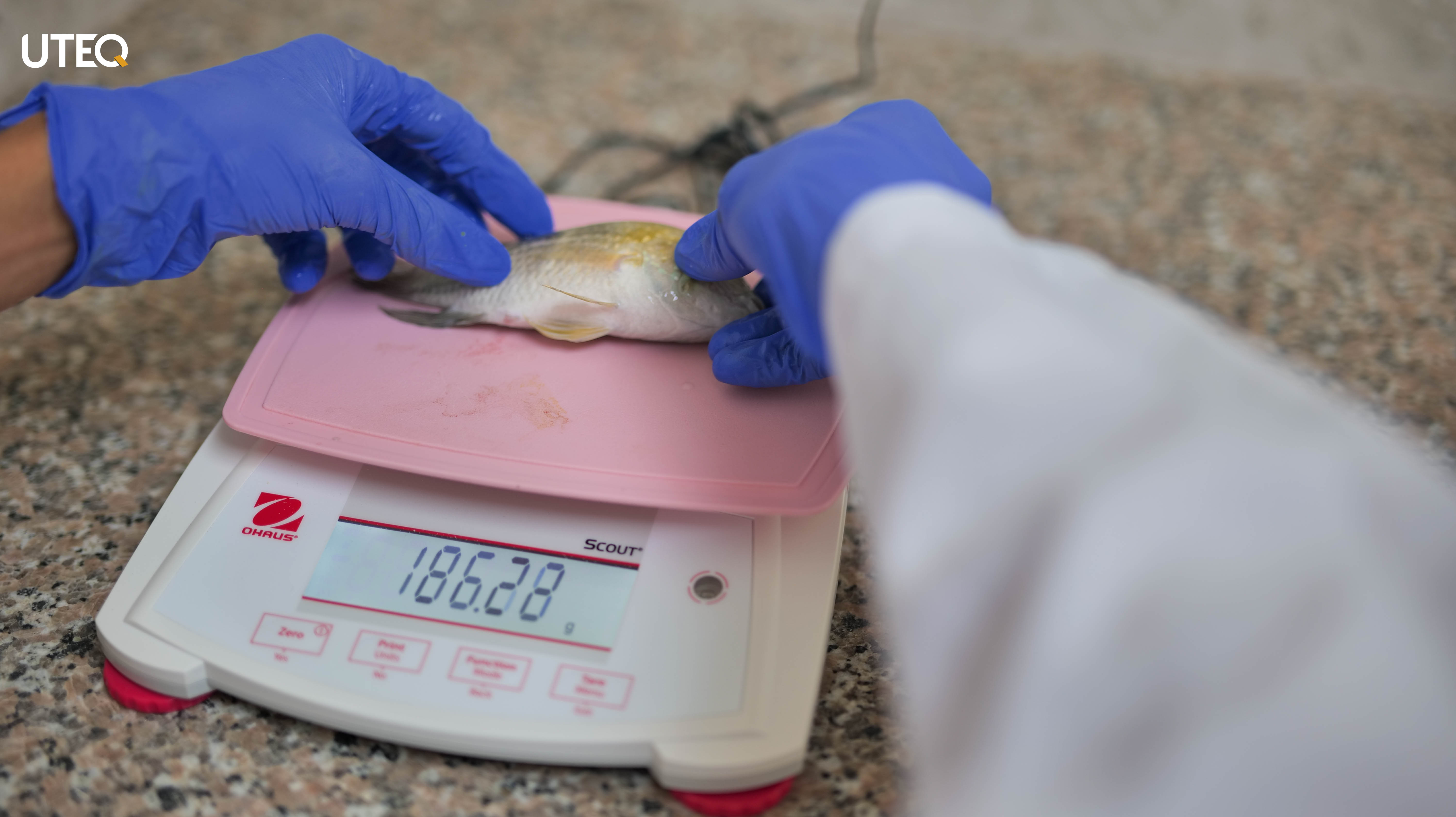
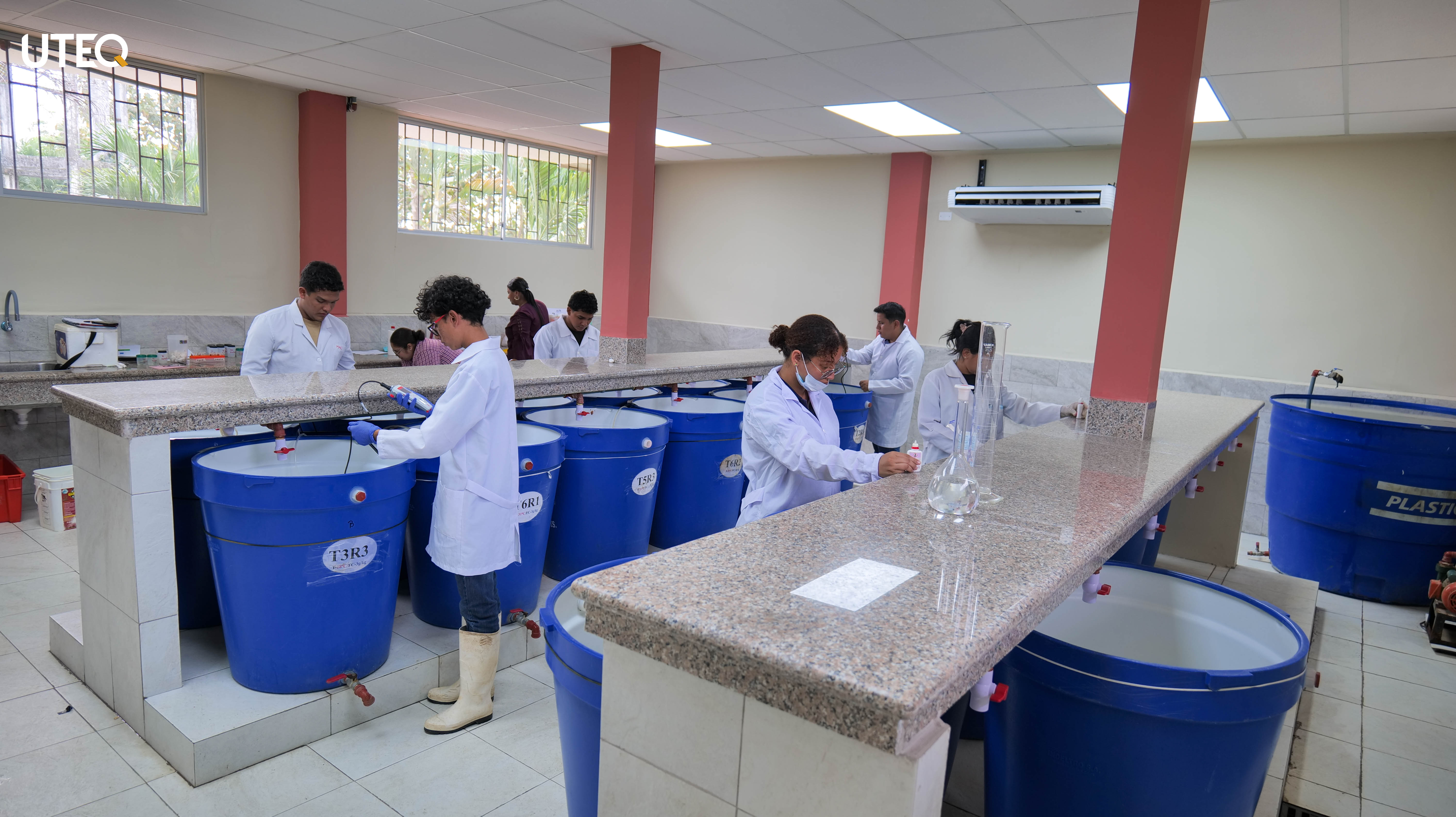
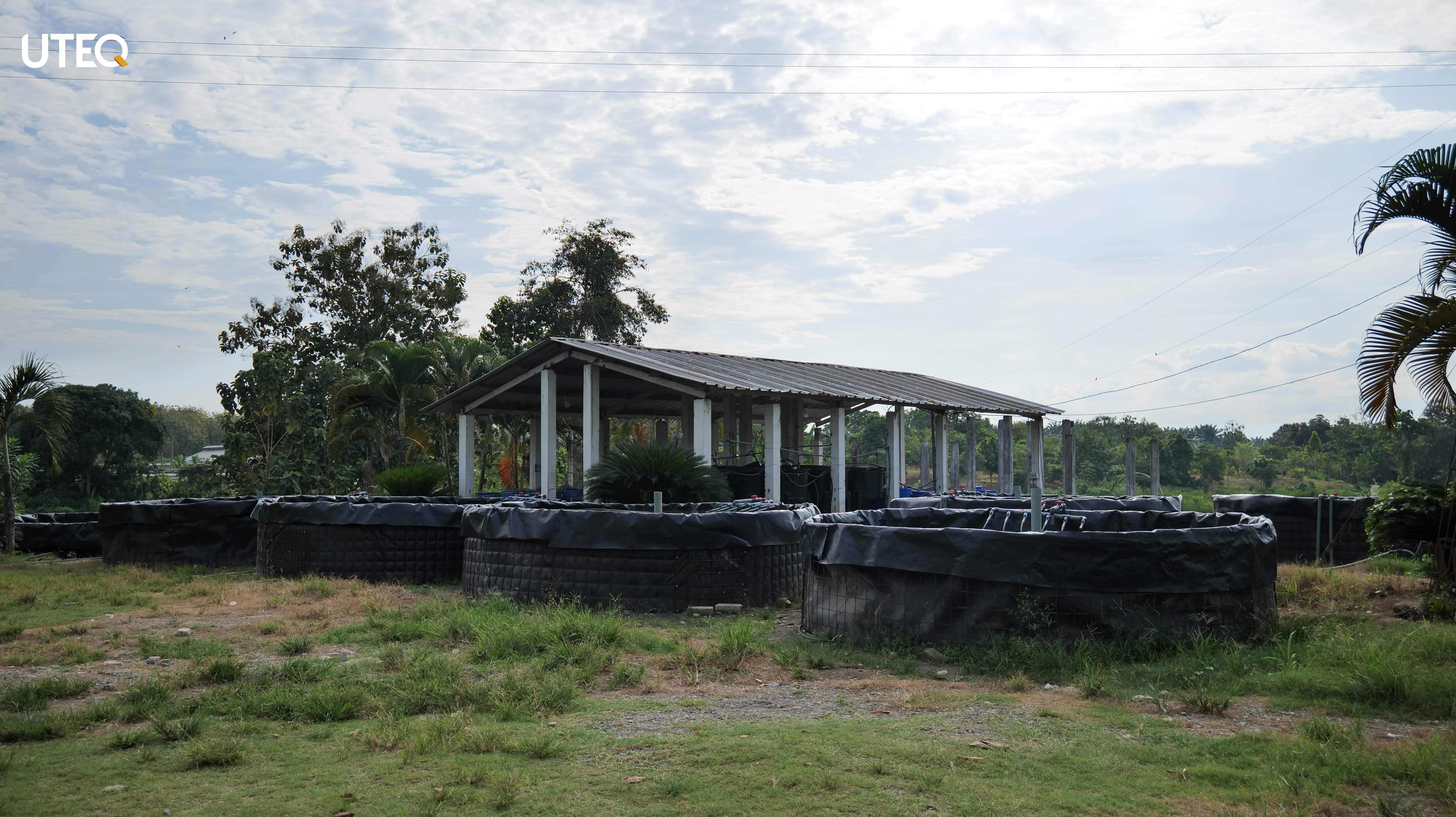
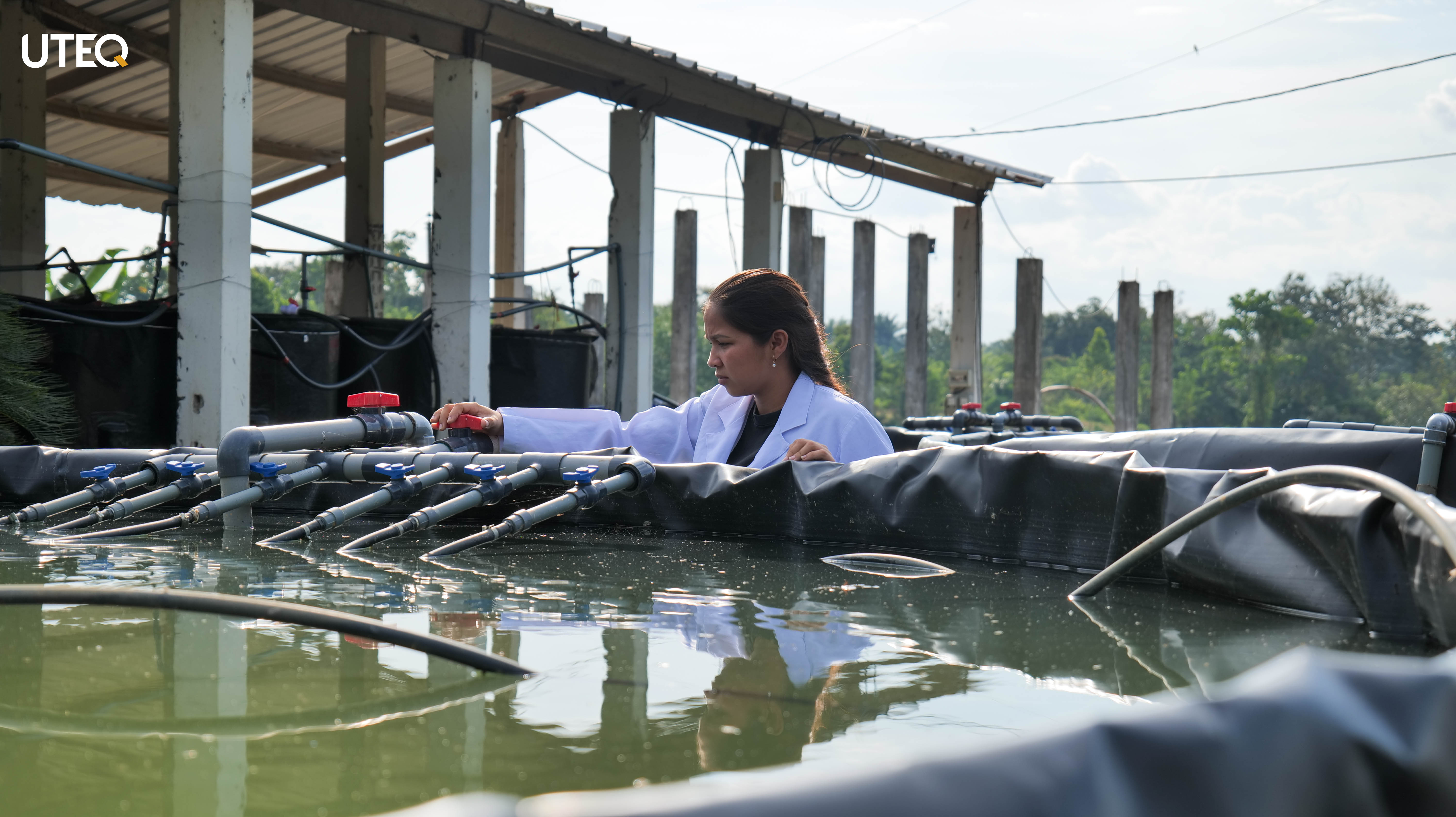
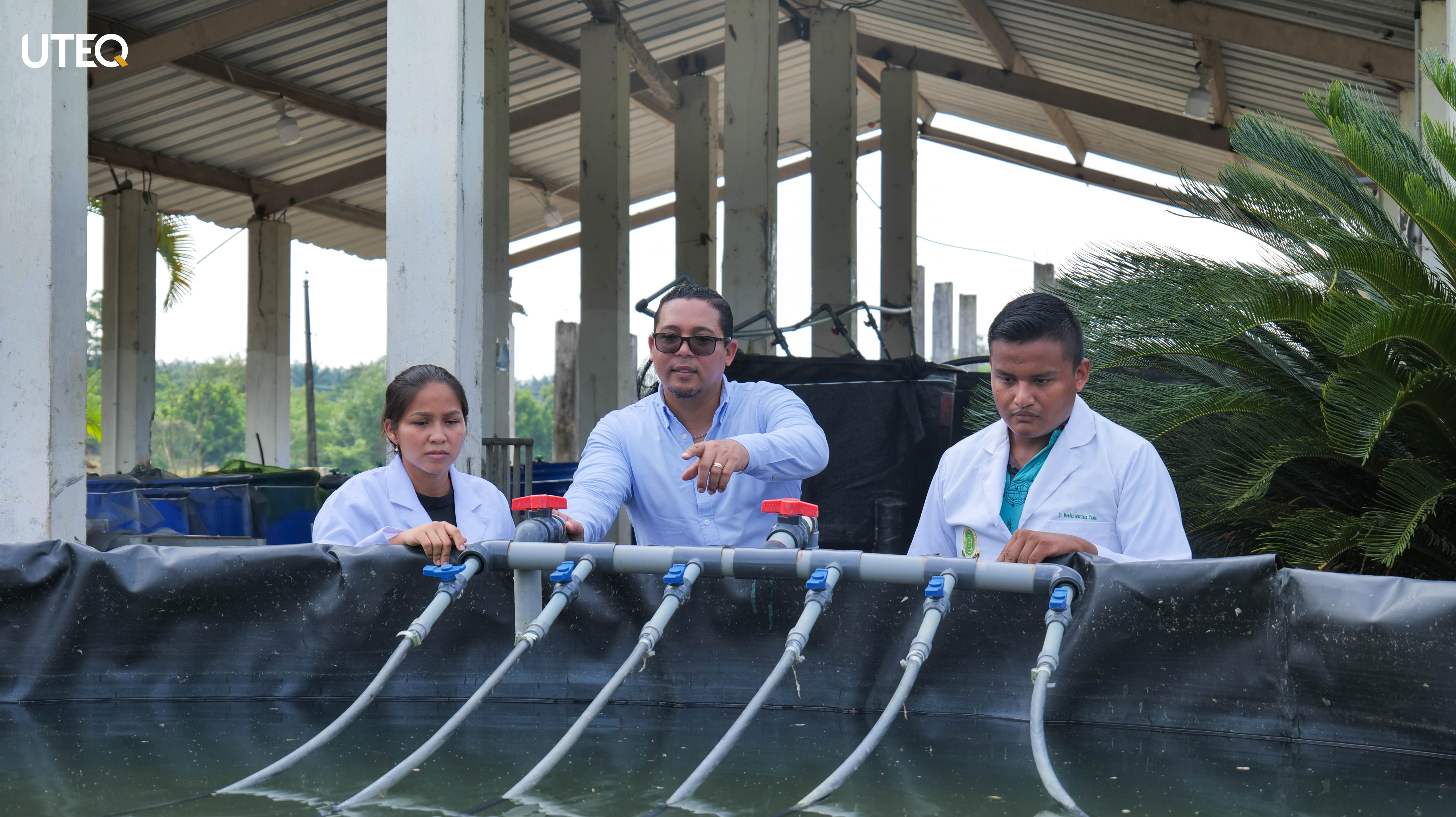
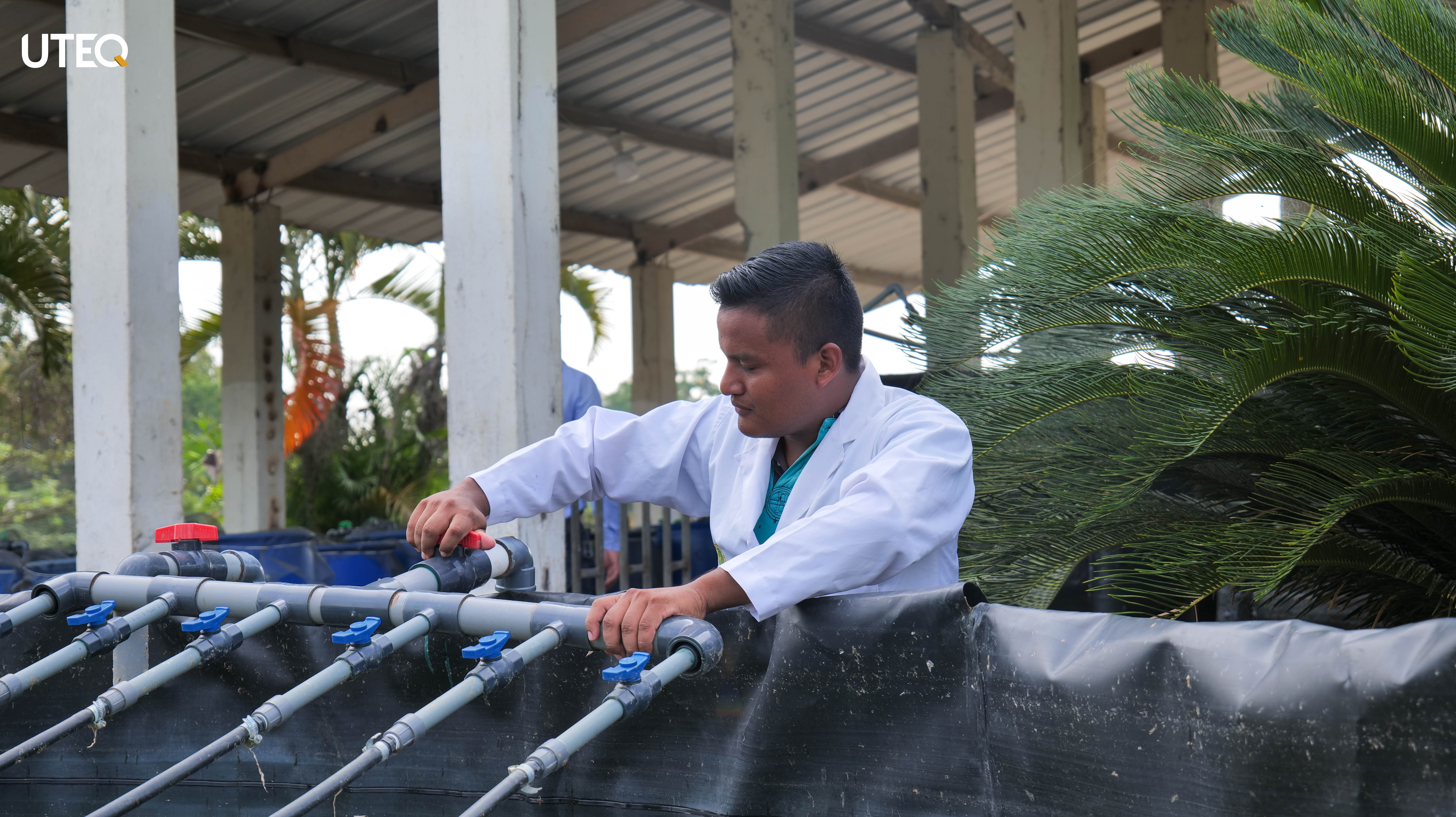
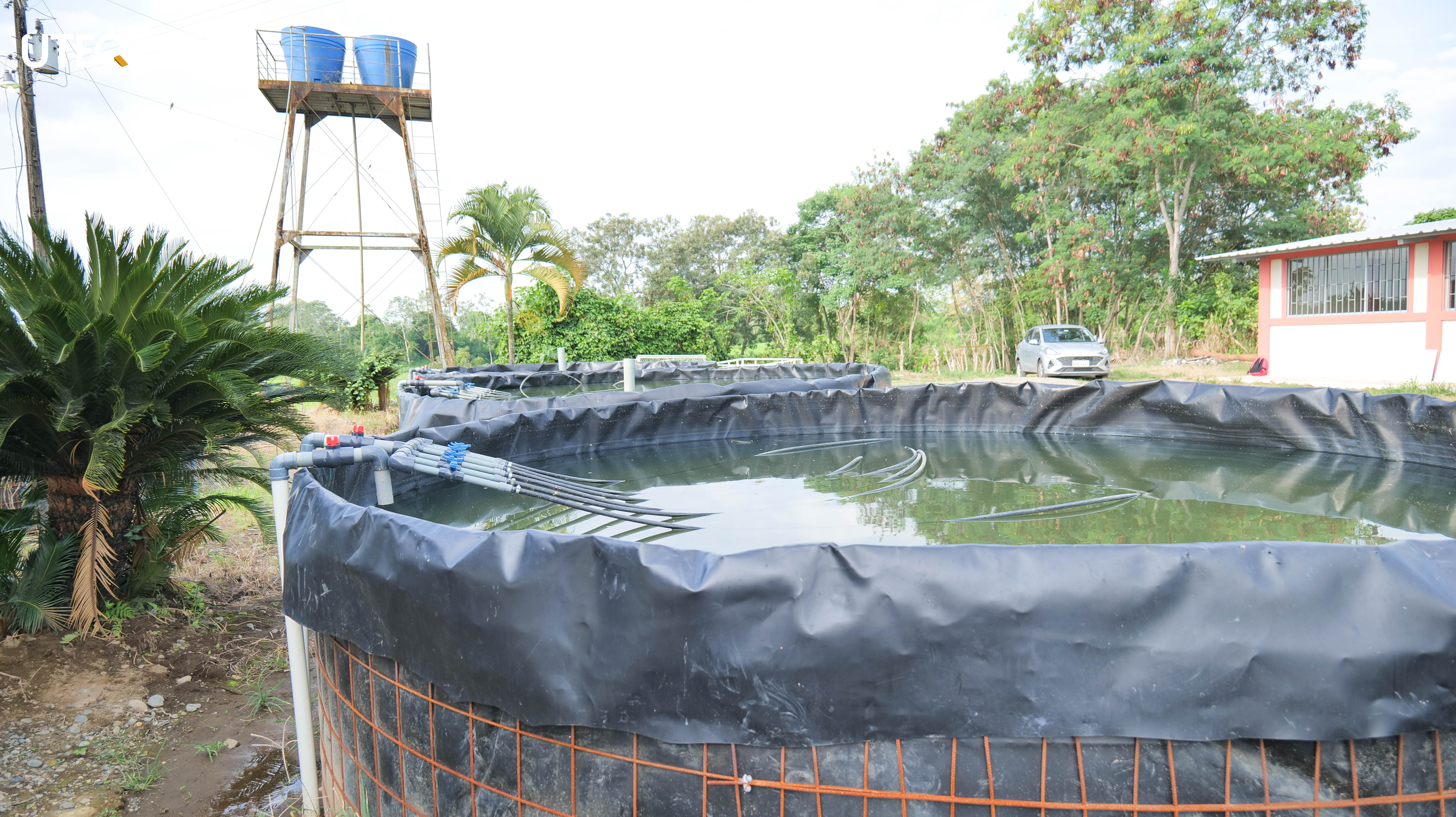
An academic and experimental unit dedicated to practical training, research, and the development of bioassays in aquaculture. Its infrastructure supports studies on nutrition, management, production performance, responses to environmental factors, and aquatic organism health, as well as practical training in culture systems and aquaponics.
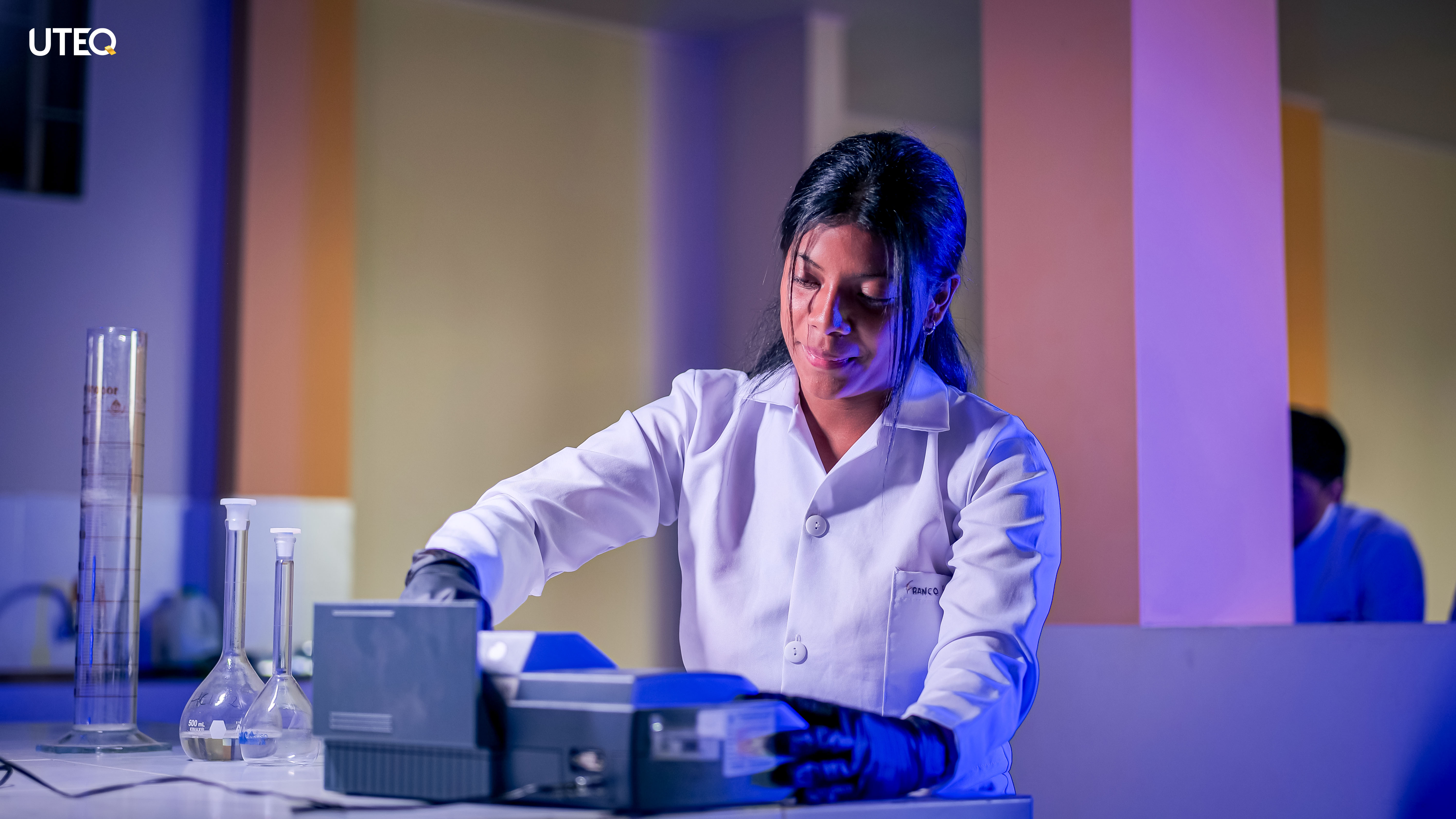
Equipment

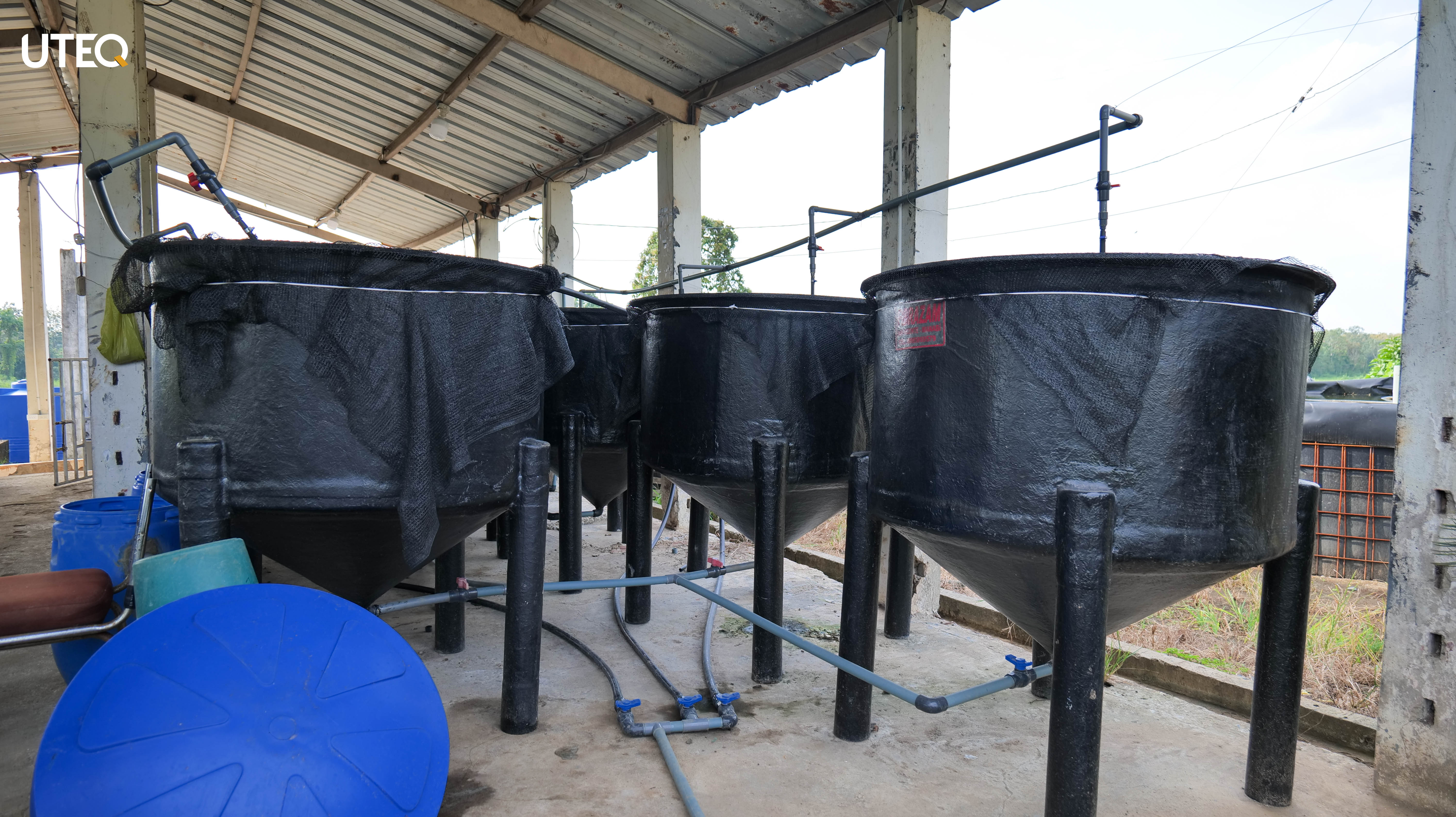
Experimental tanks and aquariums for aquatic organism cultivation, including fish and crustaceans

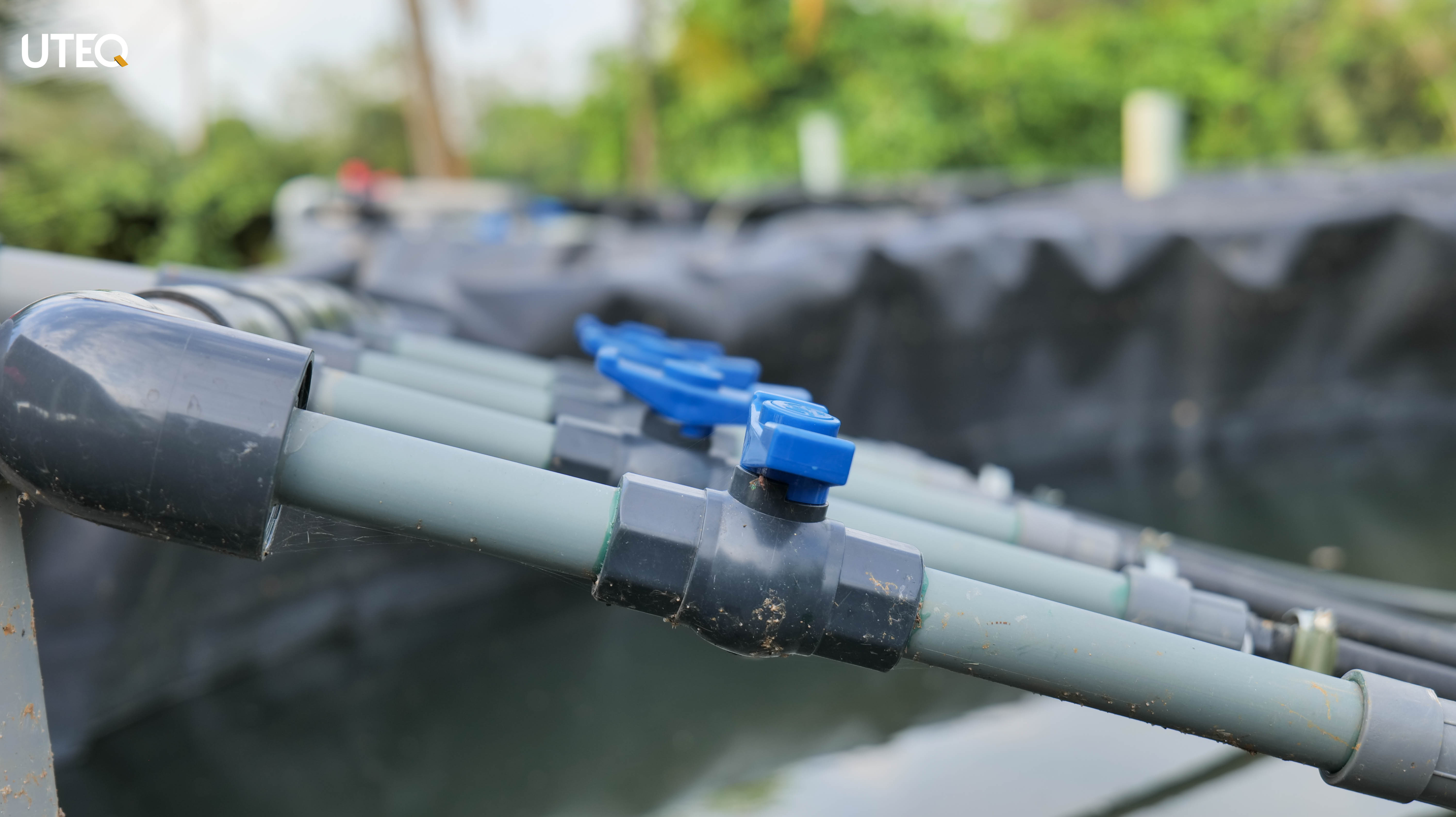
Aeration systems, pumps and filters for maintaining experimental units

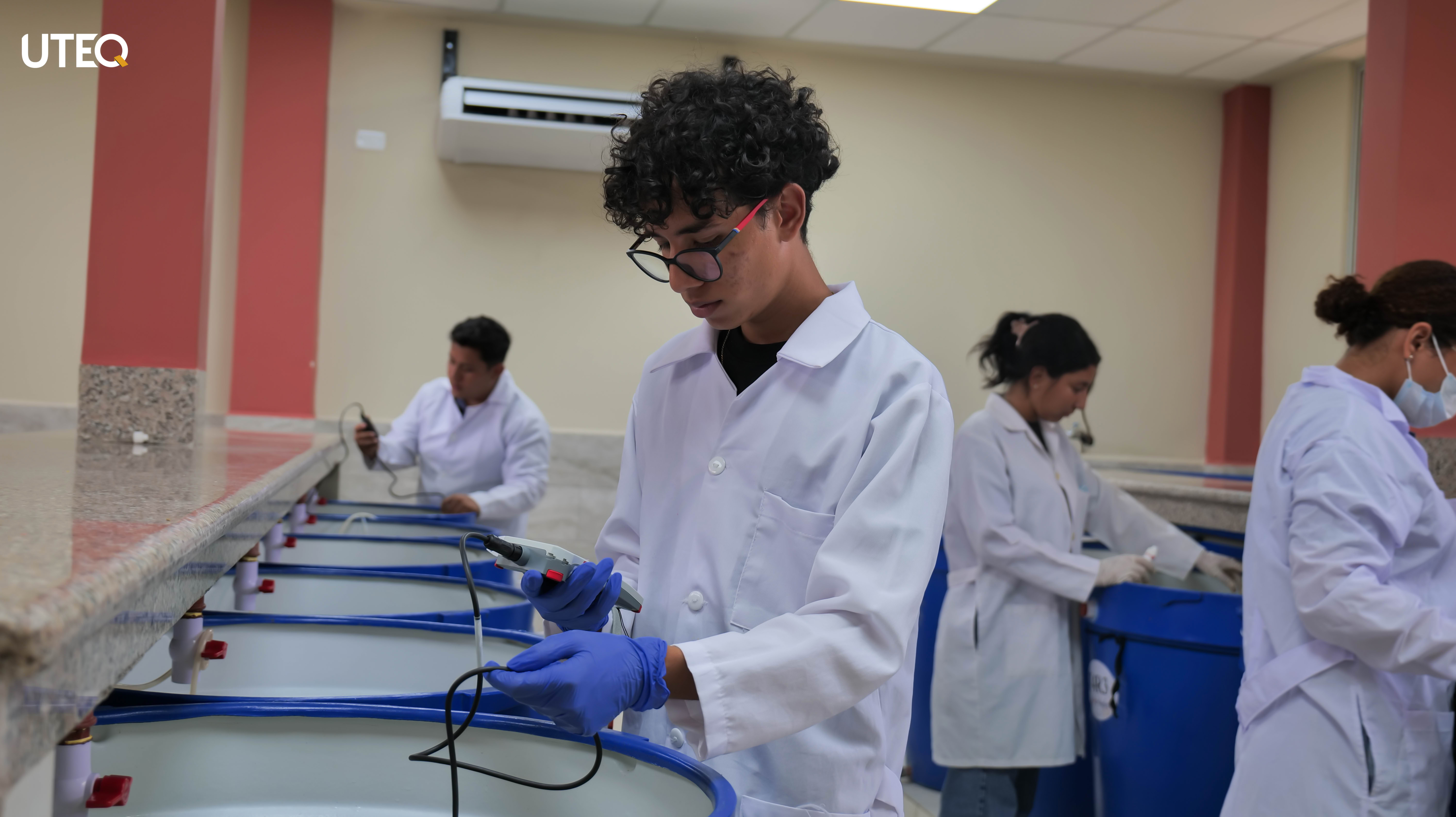
Oximeters and multiparameter equipment for water quality monitoring

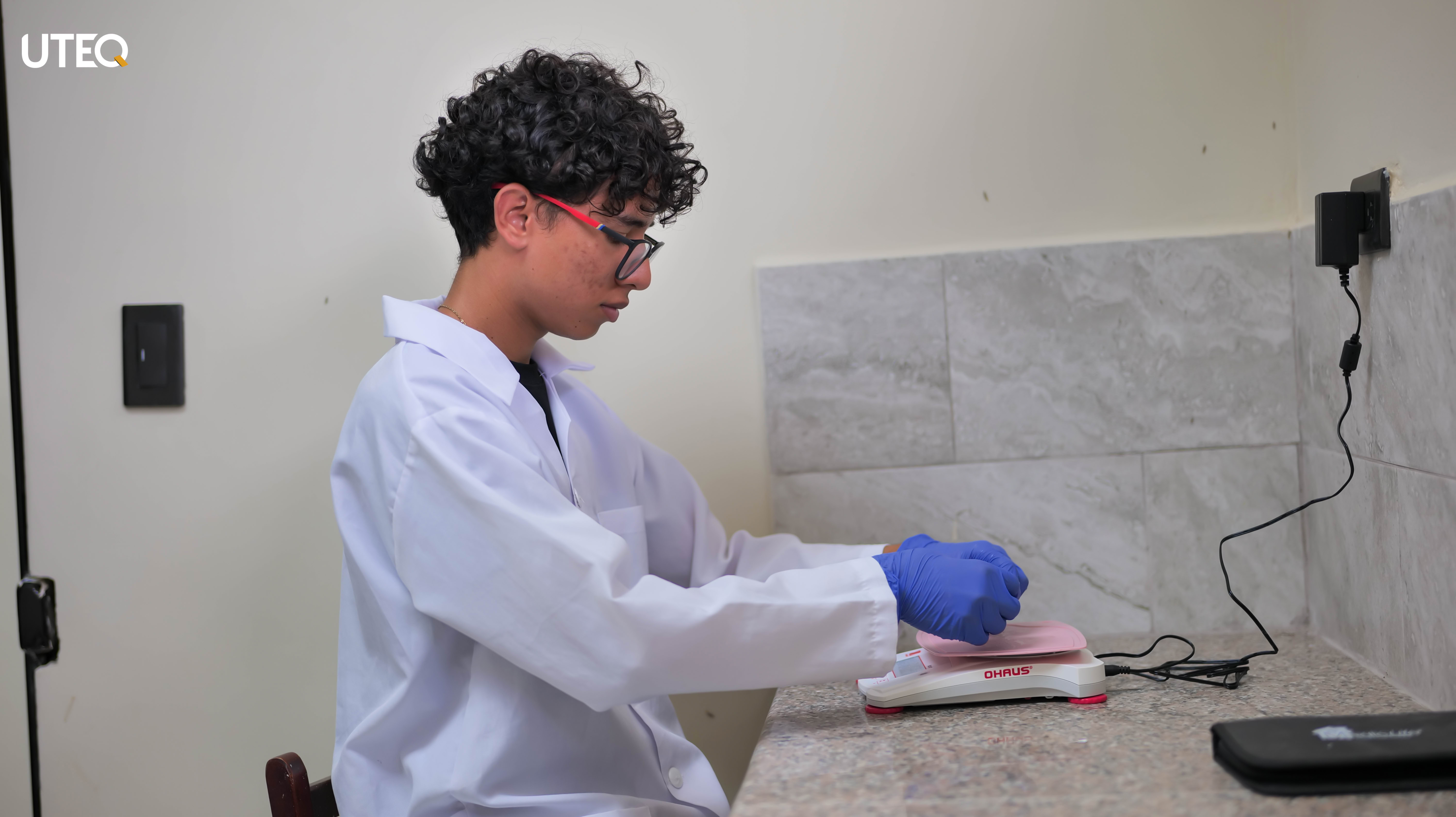
Balances for biometric control and monitoring of cultivated organisms

Infrastructure for the management, maintenance and monitoring of aquatic organisms

Greenhouse equipped with aquaponics system

Gallery

Activities carried out

  • Aquaculture feeding and nutrition bioassays
  • Bioassays under environmental stress conditions, including variations in temperature, water quality and other factors associated with cultivation
  • Challenge tests with microorganisms of aquaculture interest under controlled conditions and in accordance with established biosafety procedures
  • Evaluation of growth, survival, feed efficiency and productive performance
  • Evaluation of physiological and health responses associated with nutrition, environmental stress and cultivation conditions
  • Evaluation of nutritional and management strategies aimed at improving stress resistance and the health of aquatic organisms
  • Practical sessions and tests in aquaponic systems
  • Development of thesis work and research projects in aquaculture
Laboratory activities
Soil and WaterSoil and WaterSoil and WaterSoil and WaterSoil and Water
Capacity30 students
LocationLa María Campus
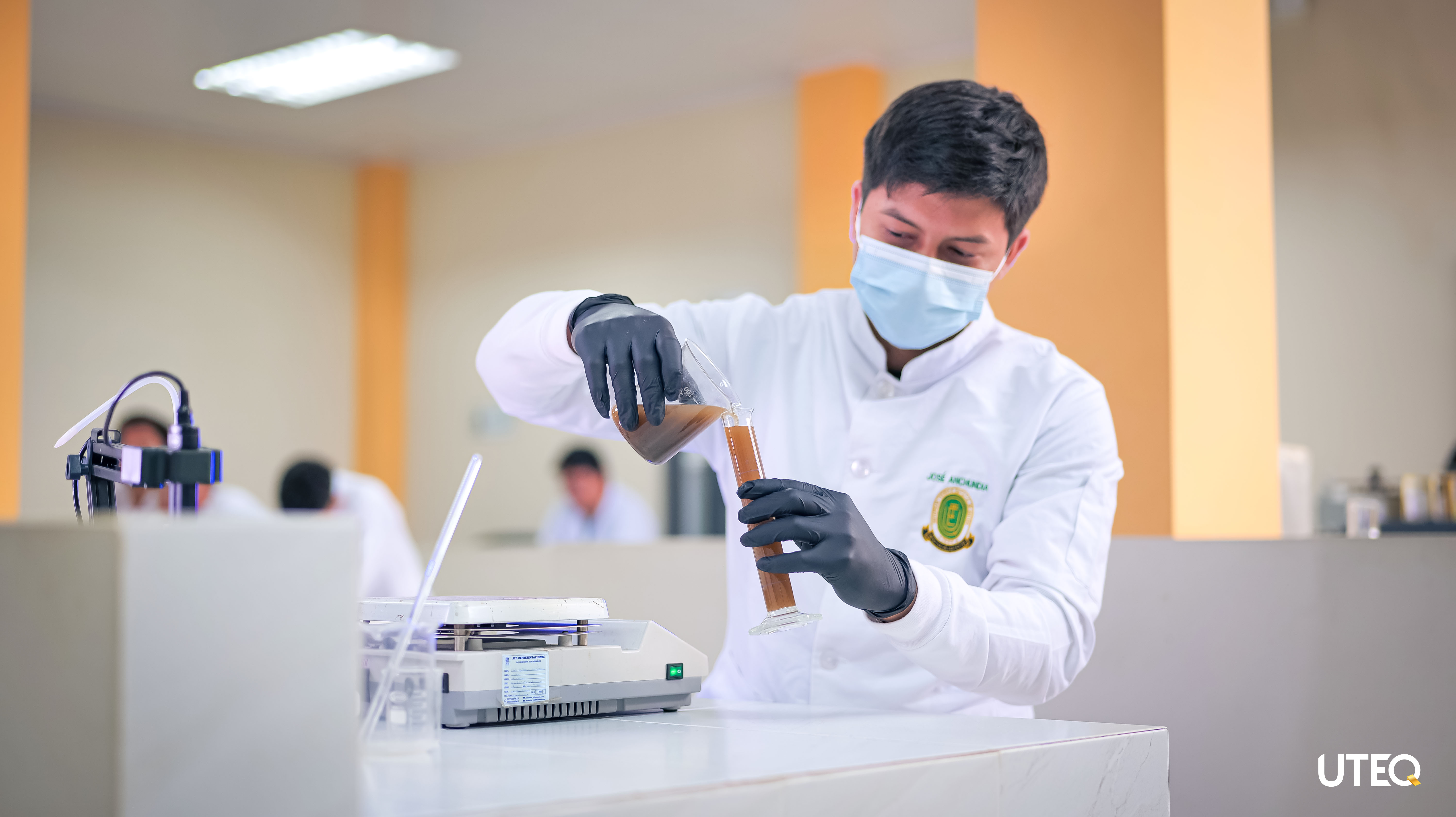
The laboratory is used by students from the Agricultural Engineering, Agronomic Engineering and Hydrology majors. Soil and water analyzes are carried out, with activities such as determining the nutritional quantity of the soil sample, determining water quality.
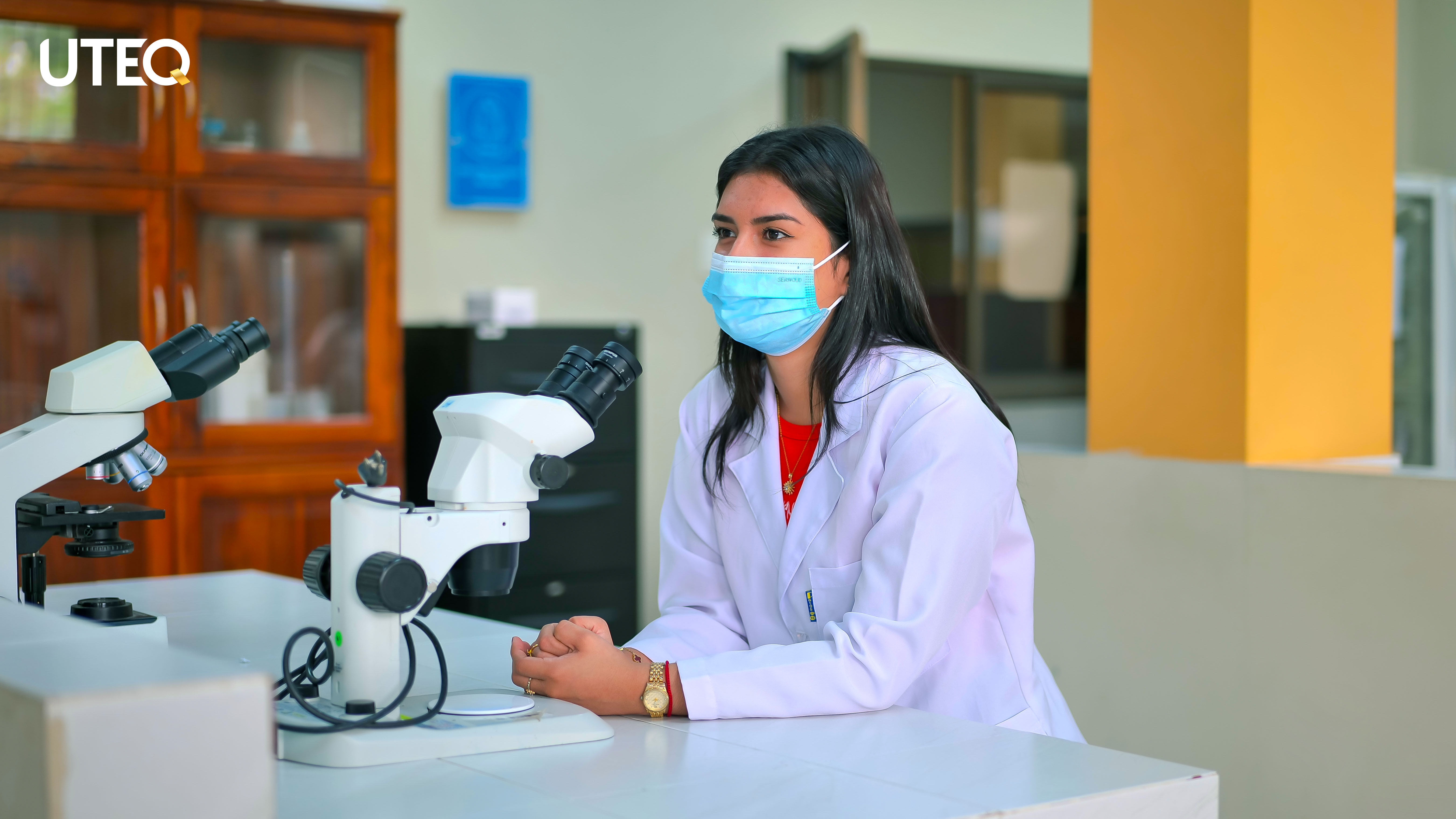
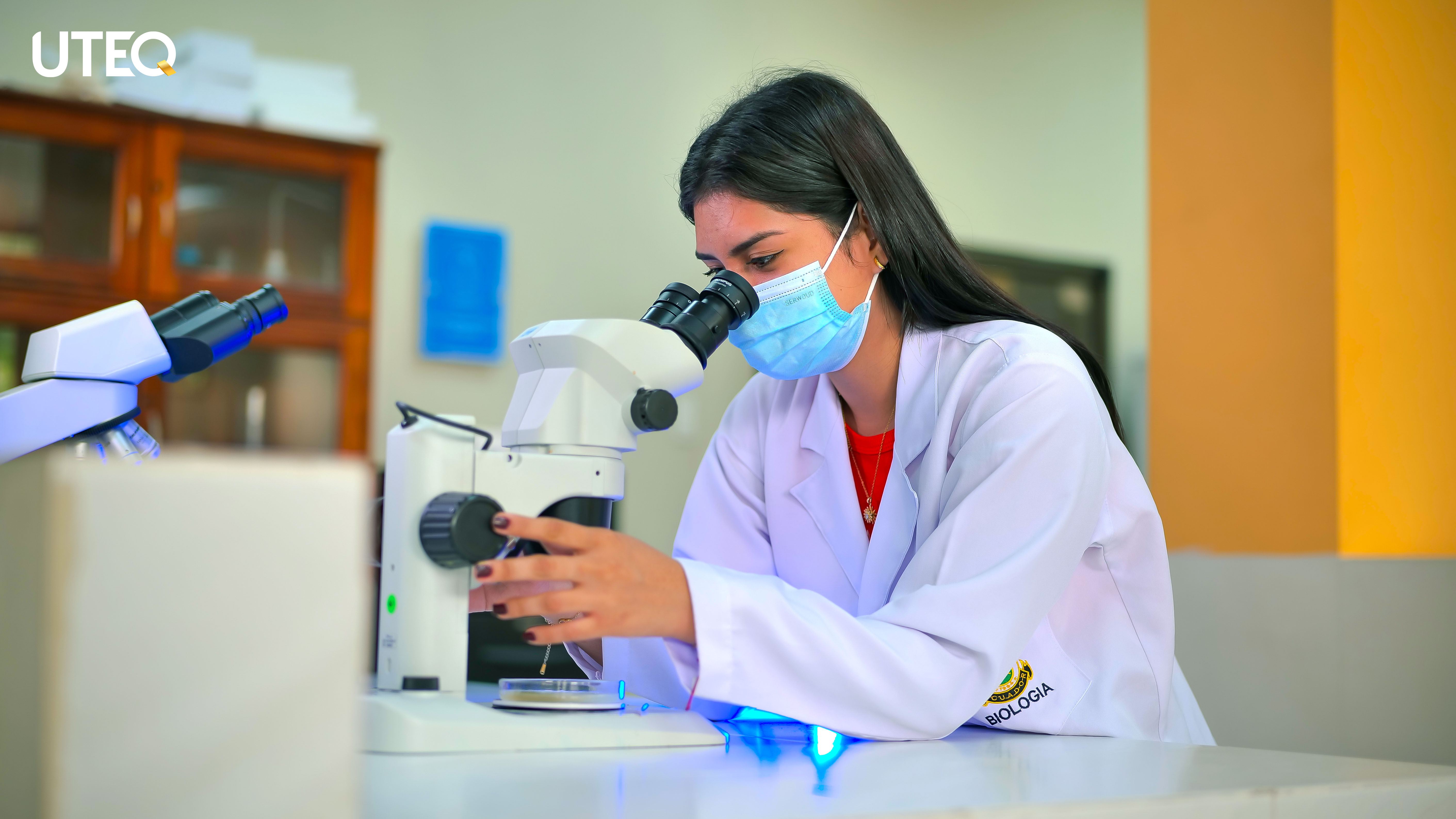
Equipment

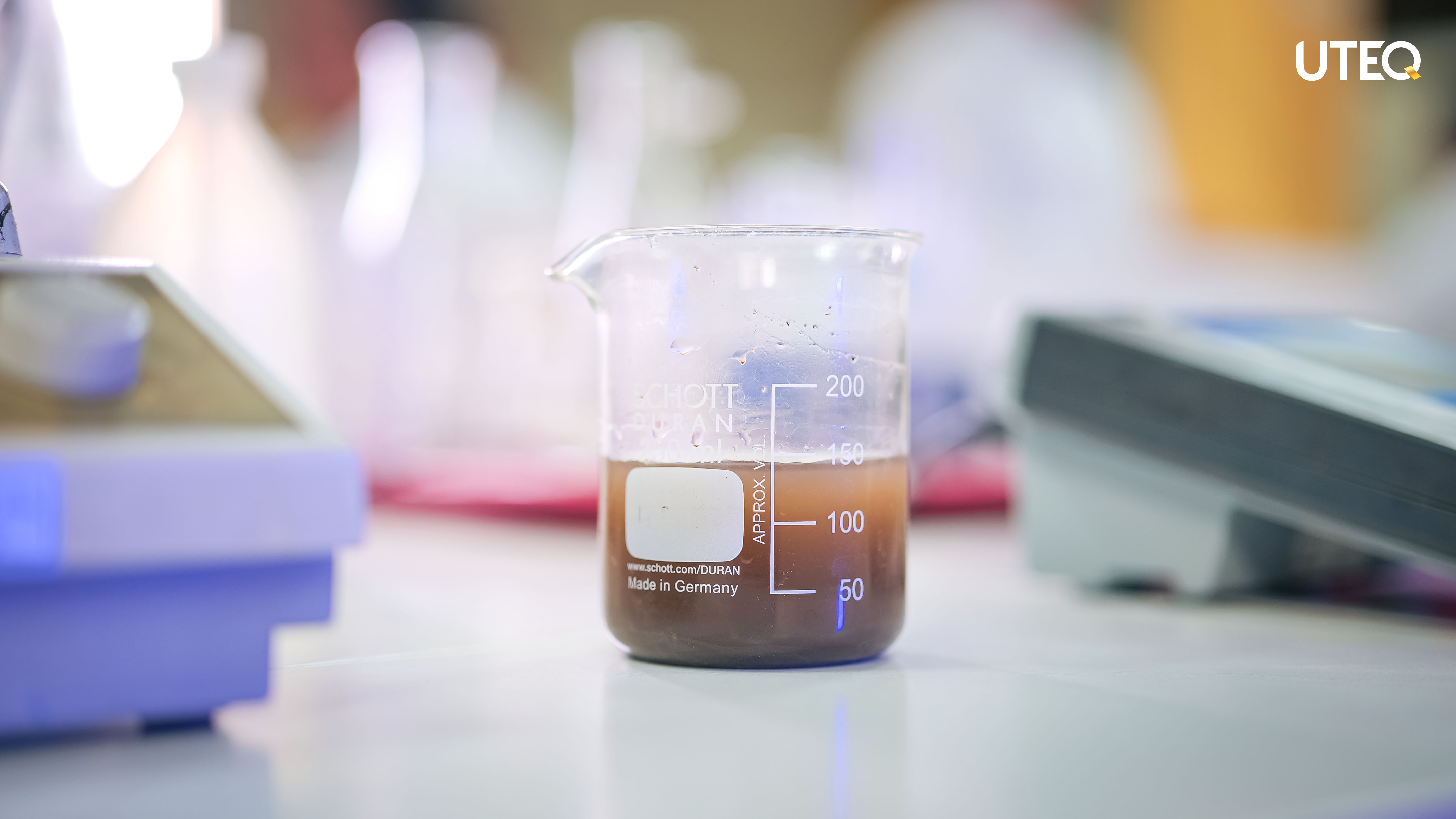
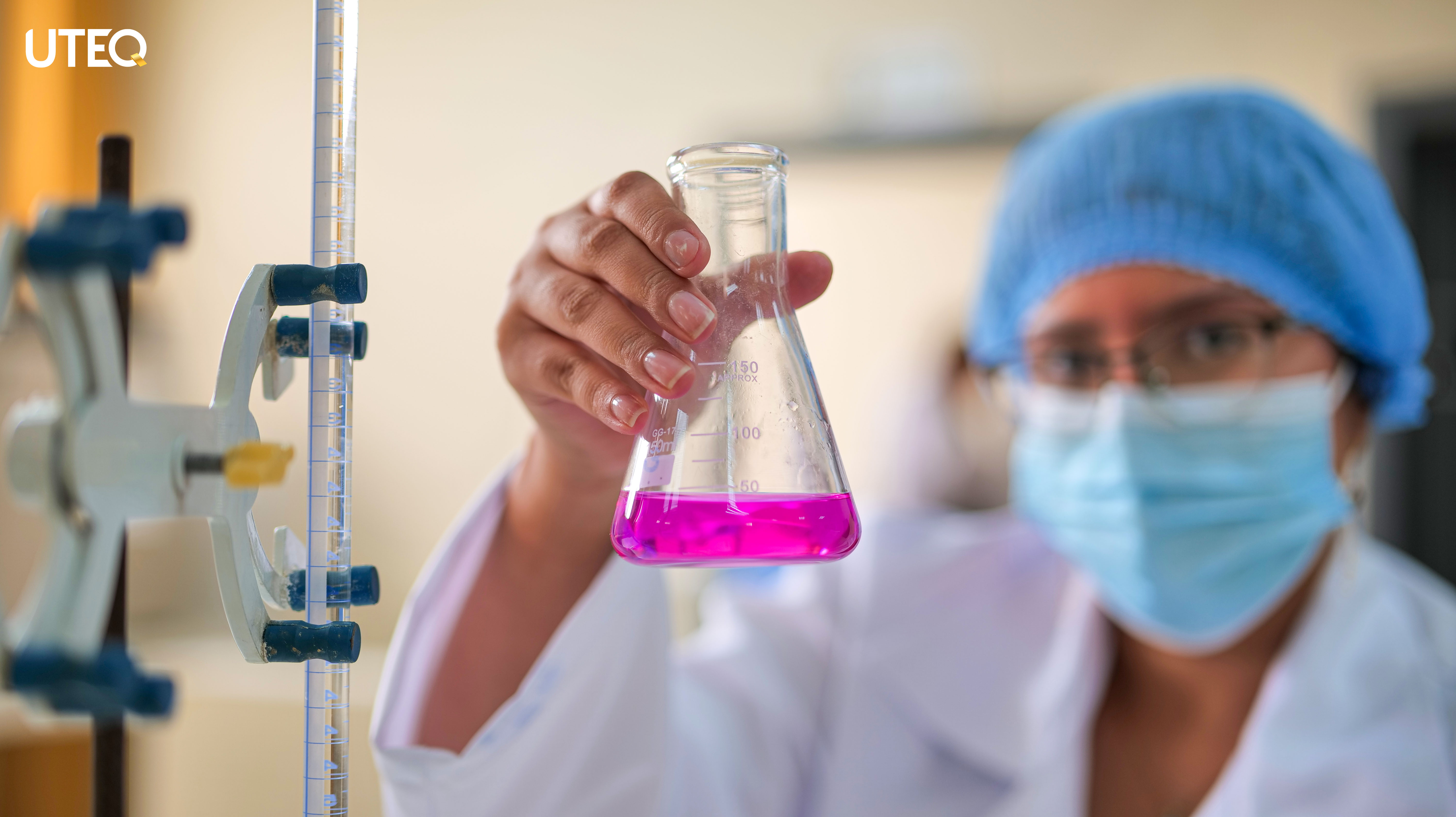
Beaker

Muffle furnace

Drying oven

Multiparameter meter

Magnetic stirrer

Stirring/hot plate

BOD5 incubation chamber (Biochemical oxygen demand determination in 5 days)

Gallery

Activities carried out

  • Physicochemical analysis of soils
  • Evaluation of soil nutrients and fertility
  • Water quality analysis
  • Determination of physicochemical parameters using a multiparameter meter
  • BOD₅ determination
  • Sample preparation and conditioning
  • Support for teaching and research
Laboratory activities
MicrobiologyMicrobiologyMicrobiologyMicrobiologyMicrobiologyMicrobiology
Capacity30 students
LocationLa María Campus
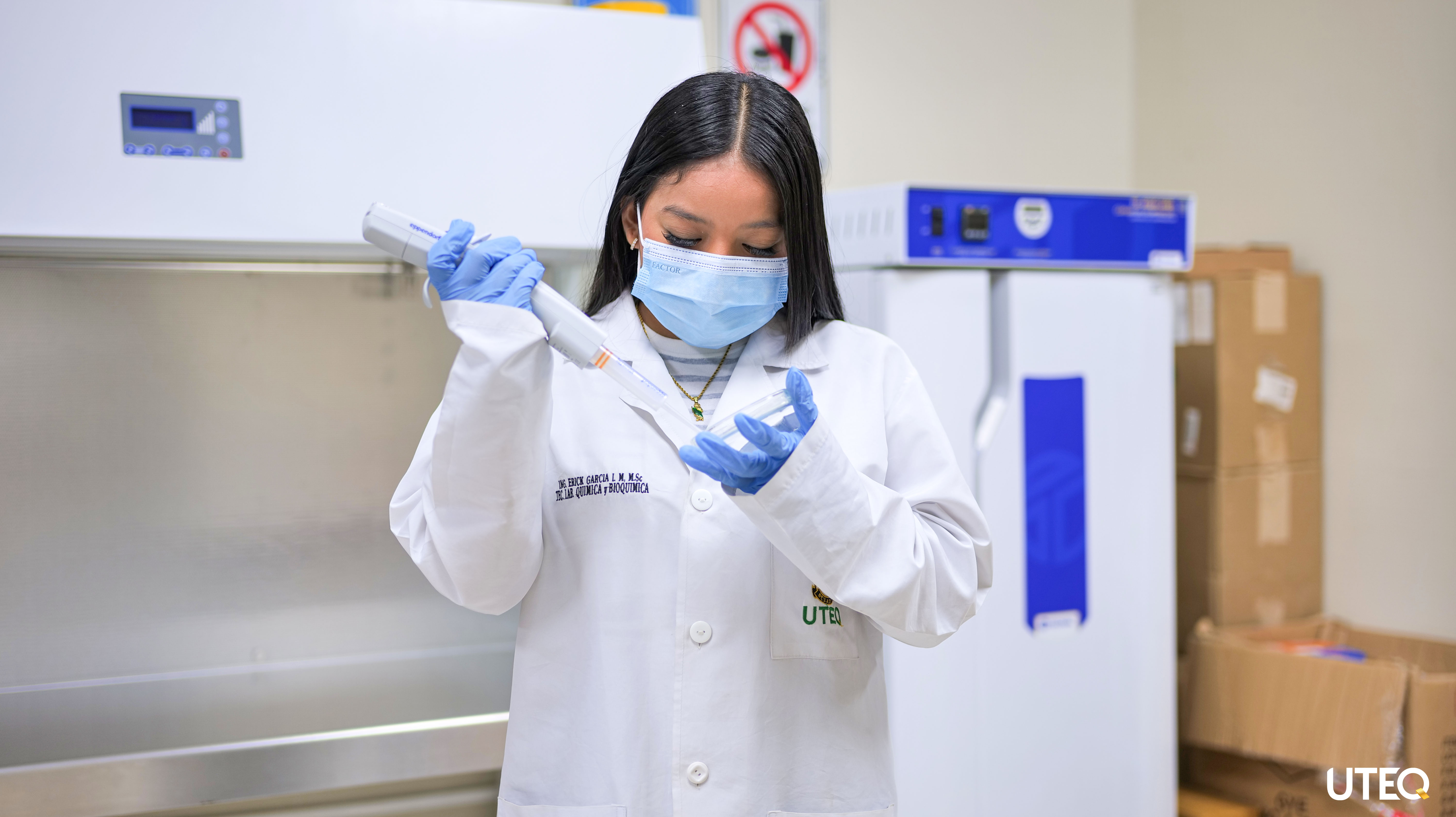
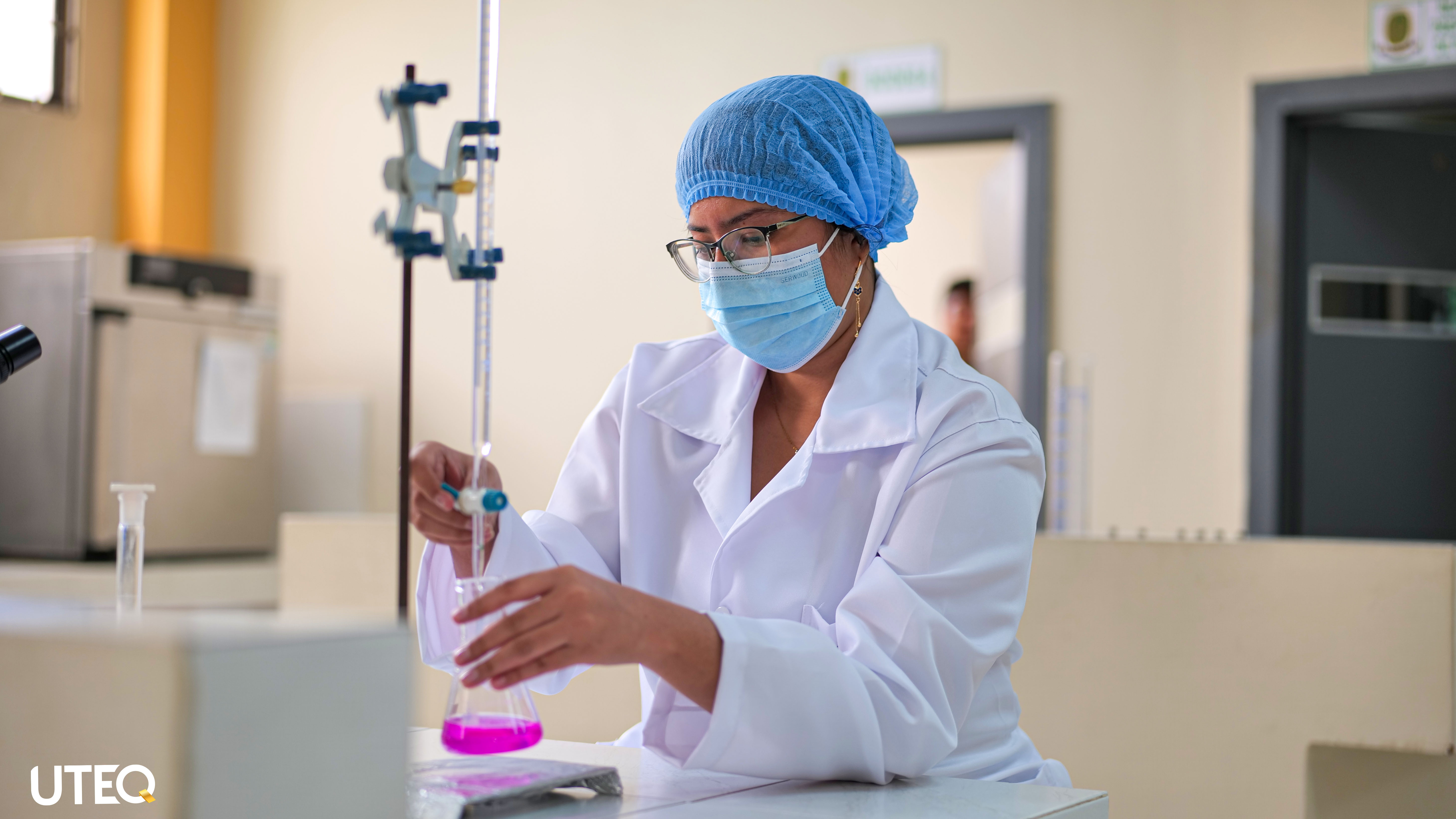
The laboratory offers specialized services for the analysis, diagnosis and identification of microorganisms, through the processing and study of biological samples under controlled conditions. Its capabilities include working with bacteria, fungi and yeast, microalgae, archaea and cell cultures of plant and animal origin, including tissues and organoids. These activities contribute to the development of scientific research, biotechnological innovation and academic training, providing technical support to students, teachers and researchers.
Equipment

Laminar flow cabinet

Incubator

Autoclave

Balance

Microtome

Spectrophotometer

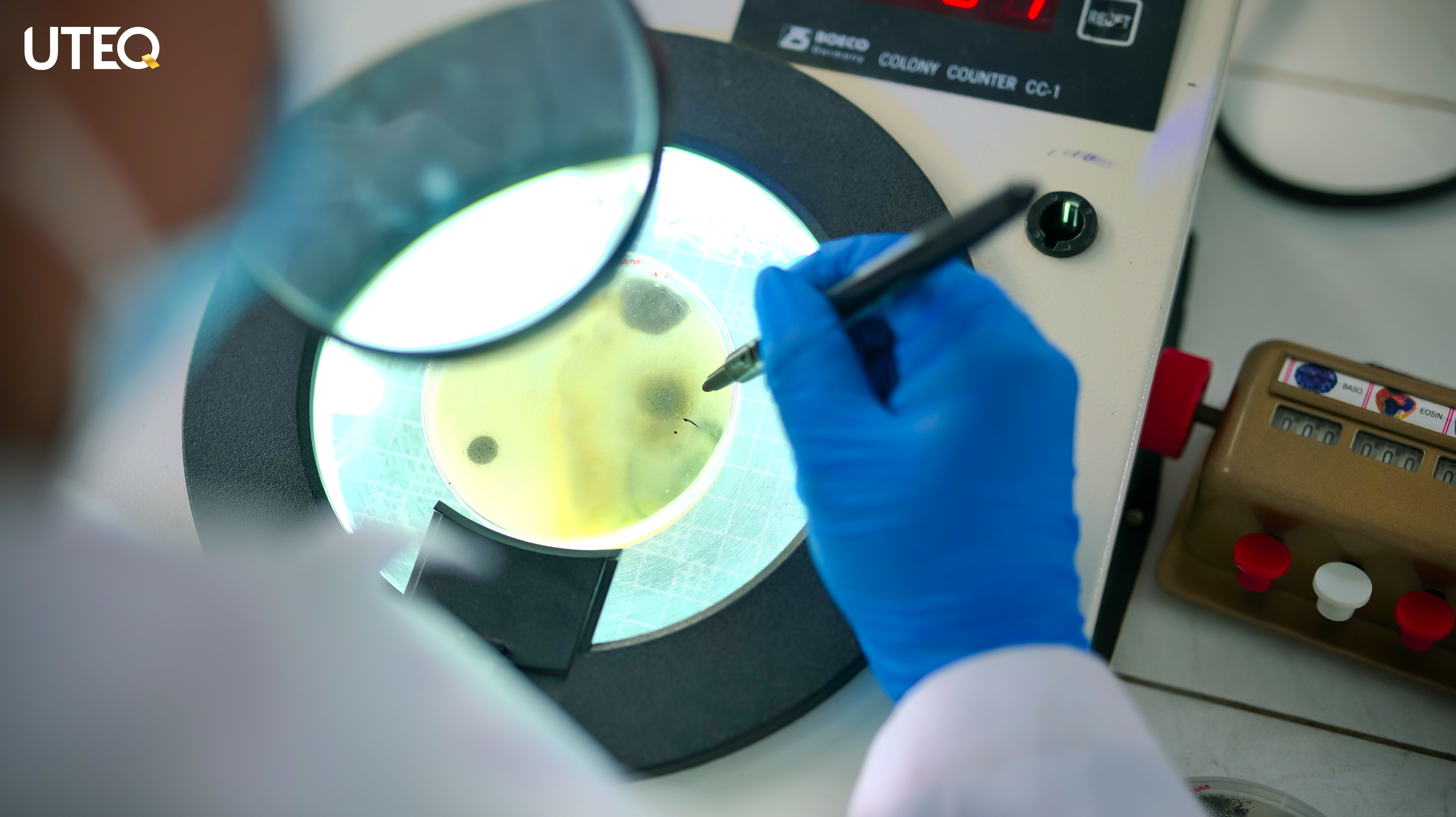
Colony counter

Water bath

Drying oven

Microscope

Stereoscope

Orbital shaker

Desiccator

Centrifuge

Vortex mixer

Oxygen meter

Chlorophyll meter

Gallery

Activities carried out

  • Classical microbiology: culture media inoculation, differential staining, biochemical tests and antimicrobial susceptibility testing
  • Counting: plate count and Neubauer chamber
  • Molecular biology: DNA extraction
  • Quality control: autoclaving of microbiological material and filtration
  • Morphology: analysis of plant structures
  • Taxonomic identification of invertebrates
  • Staging of vertebrate embryos
Laboratory activities
Chemistry-BiochemistryChemistry-BiochemistryChemistry-BiochemistryChemistry-BiochemistryChemistry-BiochemistryChemistry-BiochemistryChemistry-Biochemistry
Capacity30 students
LocationLa María Campus
Physical, chemical, and biochemical tests are performed on samples of plant, animal, food, environmental, and microbiological origin, enabling the characterization of compounds, the determination of physicochemical properties, and the study of biological processes through instrumental techniques and standardized methodologies.

Equipment

UV-Visible spectrophotometer

Analytical balance

Multiparameter meter

Conductivity meter

Magnetic stirrer with heating

Hot plate

Centrifuge

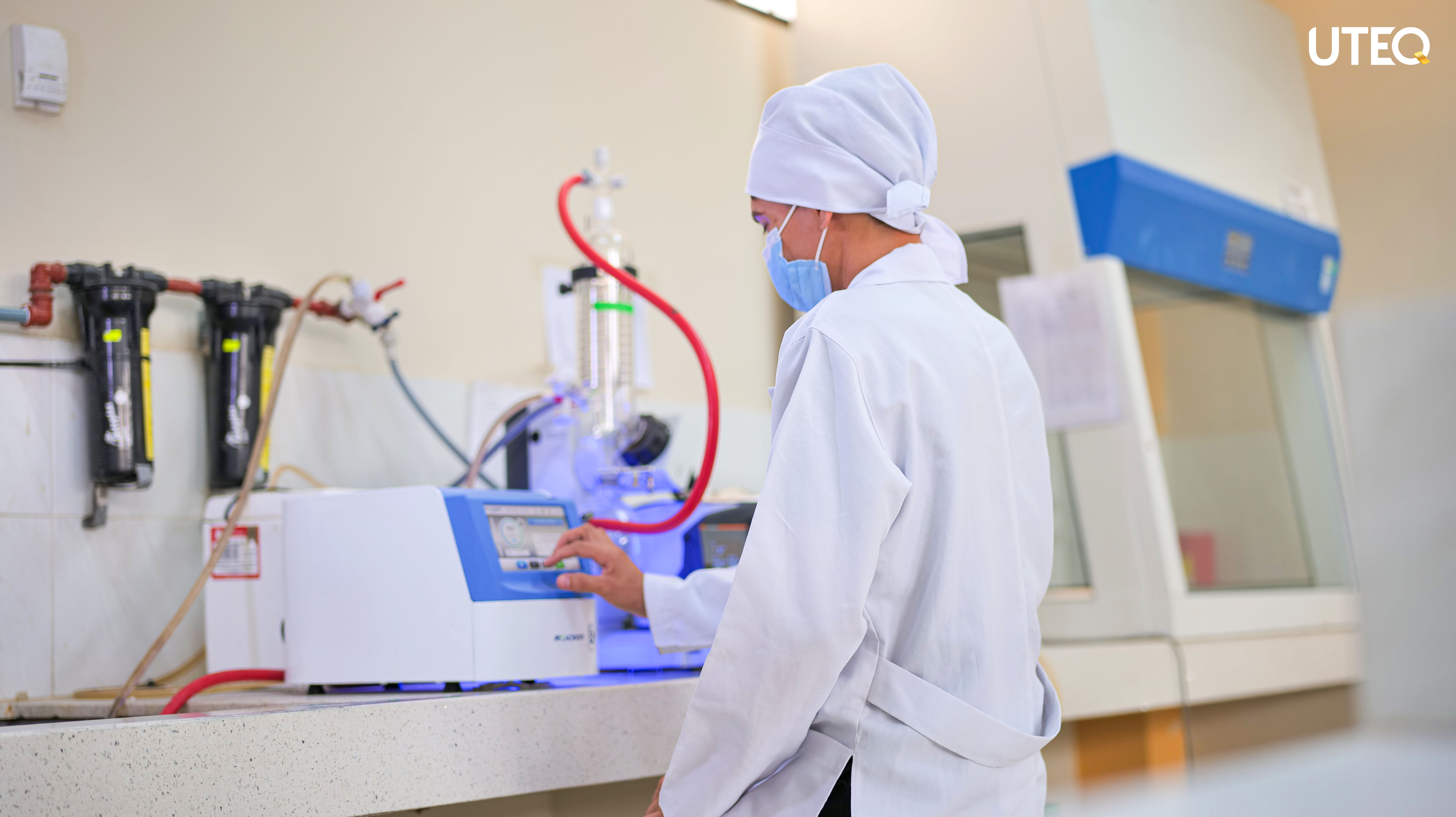
Rotary evaporator

Fume hood

Drying oven

Muffle furnace

Water bath

Refrigerator

Micropipette

Water distiller

Vortex mixer

Gallery

Activities carried out

  • Physicochemical analyses
  • UV-Visible spectrophotometric analysis
  • Food and agroindustry analysis
  • Water analysis
  • Plant extract analysis
  • Preparation and handling of chemical reagents
Laboratory activities
RumiologyRumiologyRumiologyRumiologyRumiologyRumiology
Capacity20 students
LocationLa María Campus
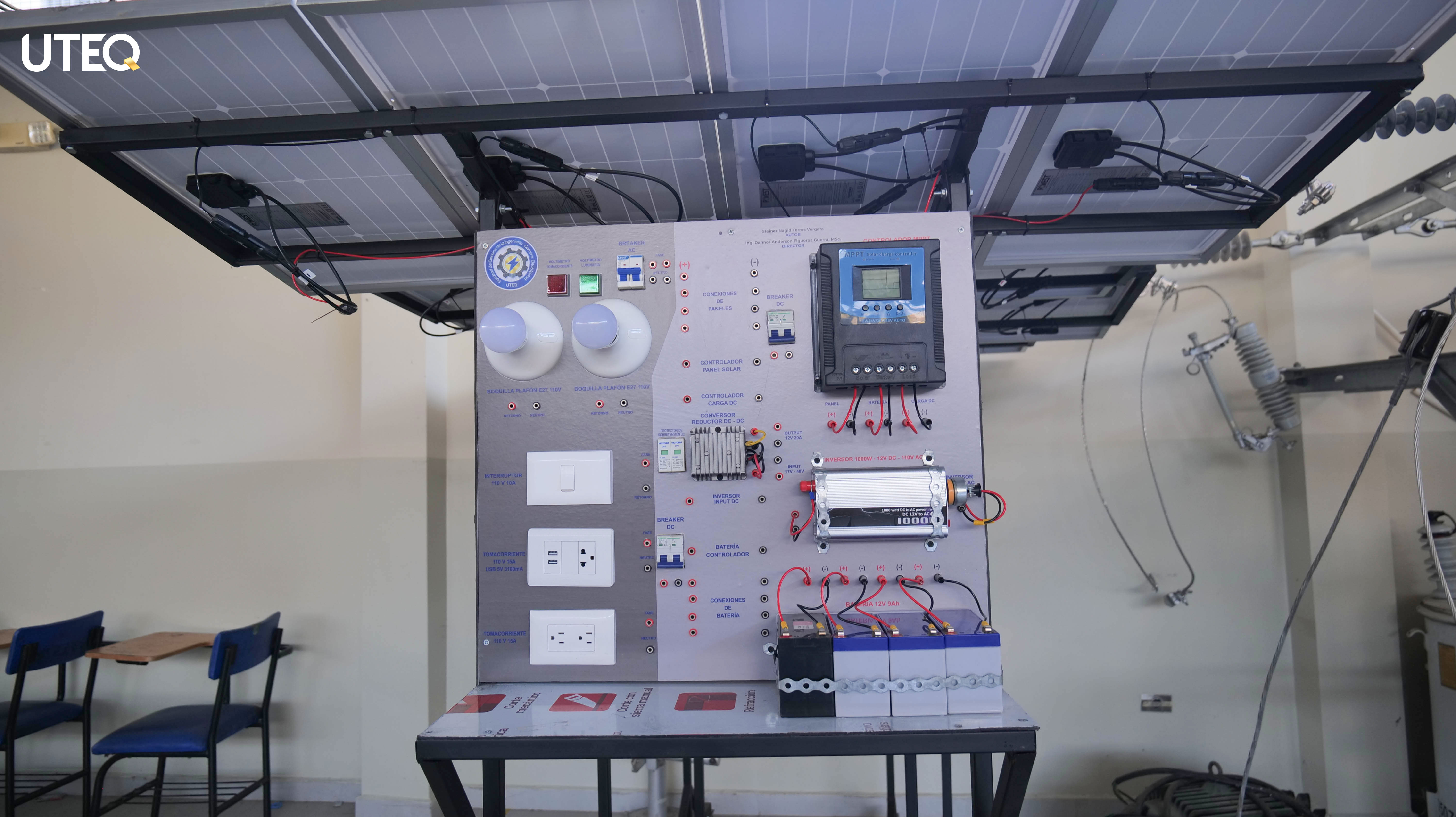
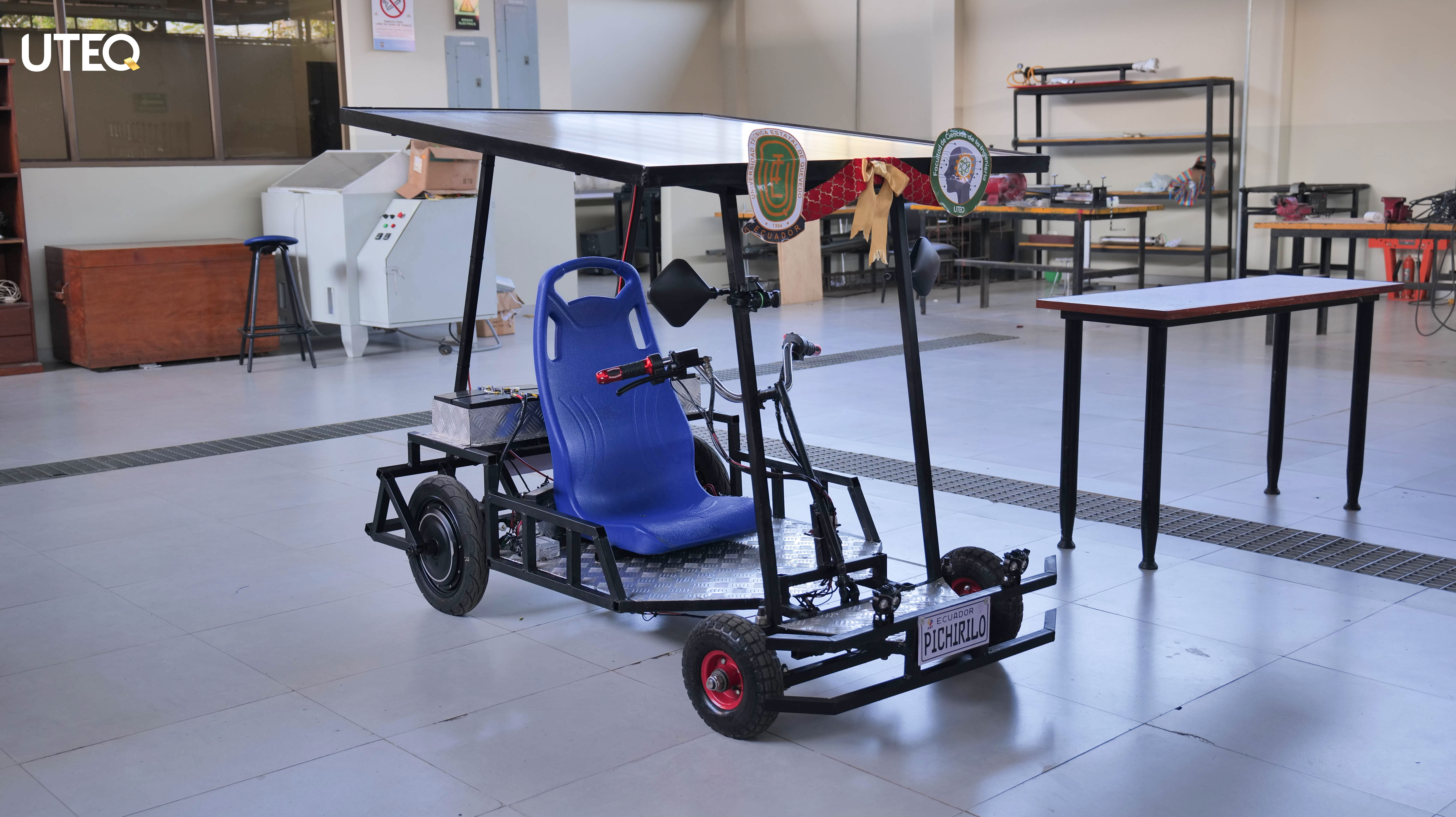
Chemical, physicochemical, and microbiological analyses are performed, as well as analyses of digestibility and degradability.
Equipment

Protein digester

Kjeldahl protein distiller

Drying oven

Analytical balance

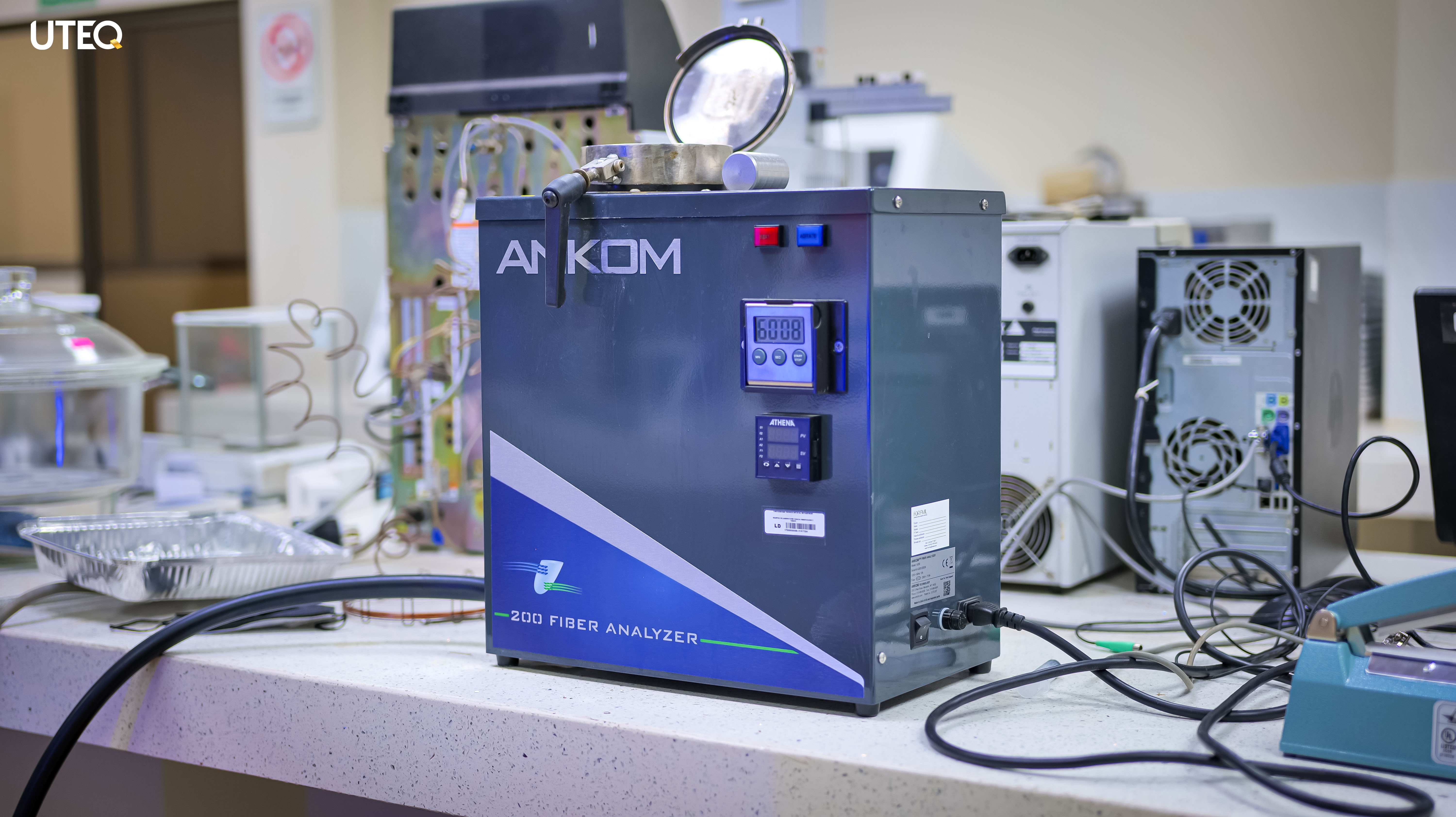
Fiber analyzer

Autoclave

Incubator

Gallery

Activities carried out

  • In vitro degradability
  • Physicochemical analyses
  • Microbiological analyses: determination of total aerobic microorganisms, total coliforms, molds and yeasts in food samples of animal and plant origin
  • In vitro digestibility
Laboratory activities
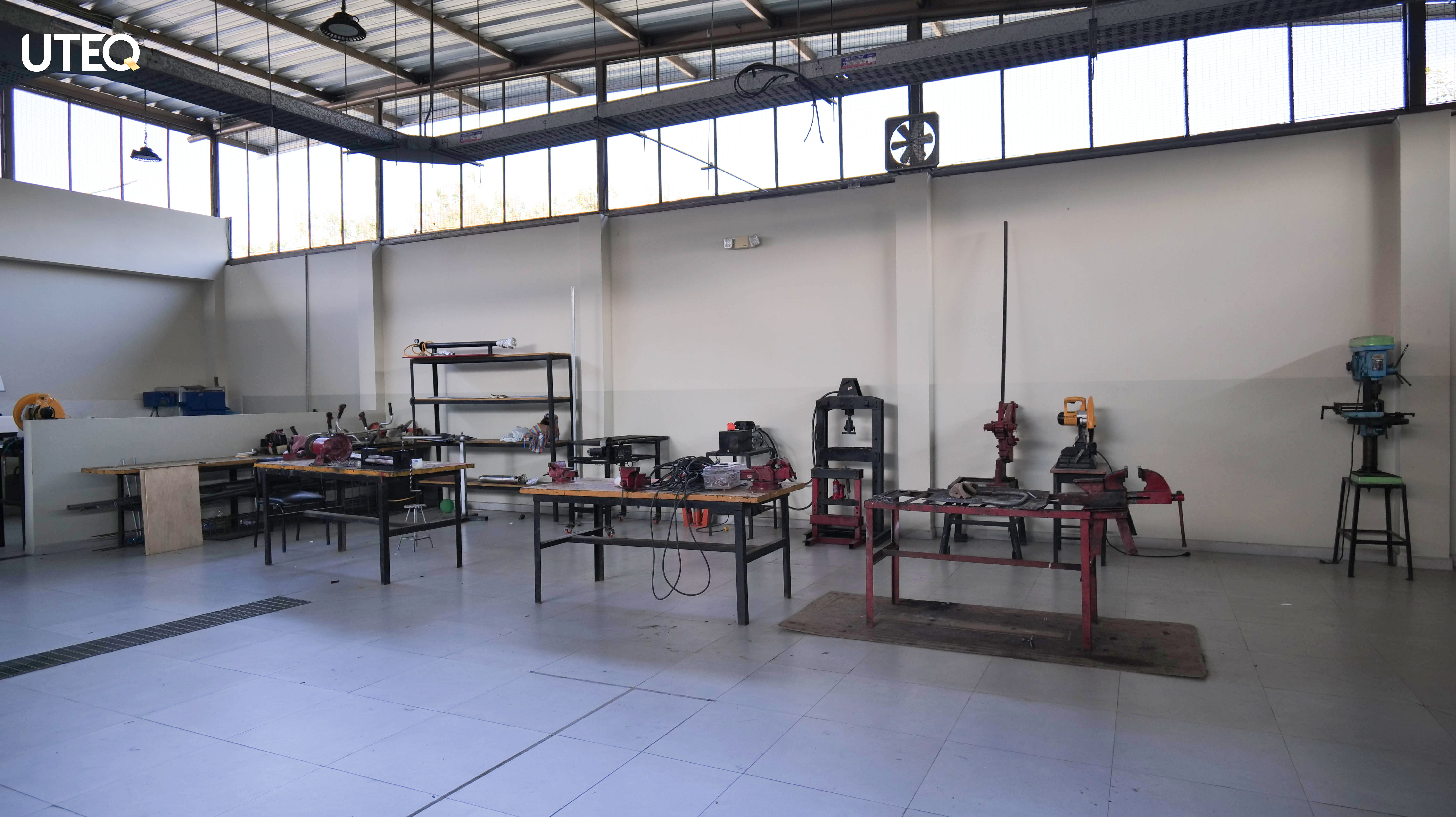
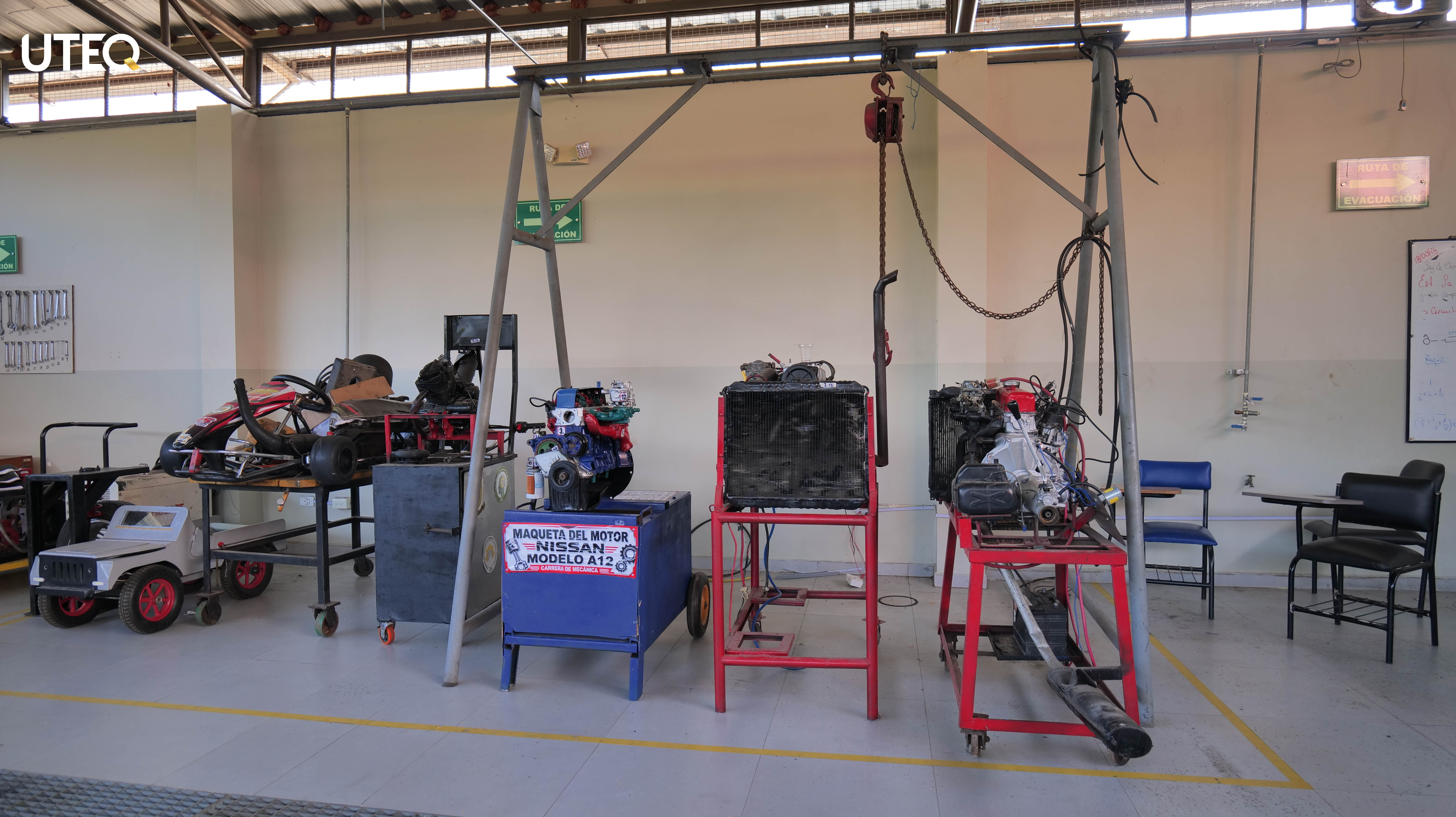
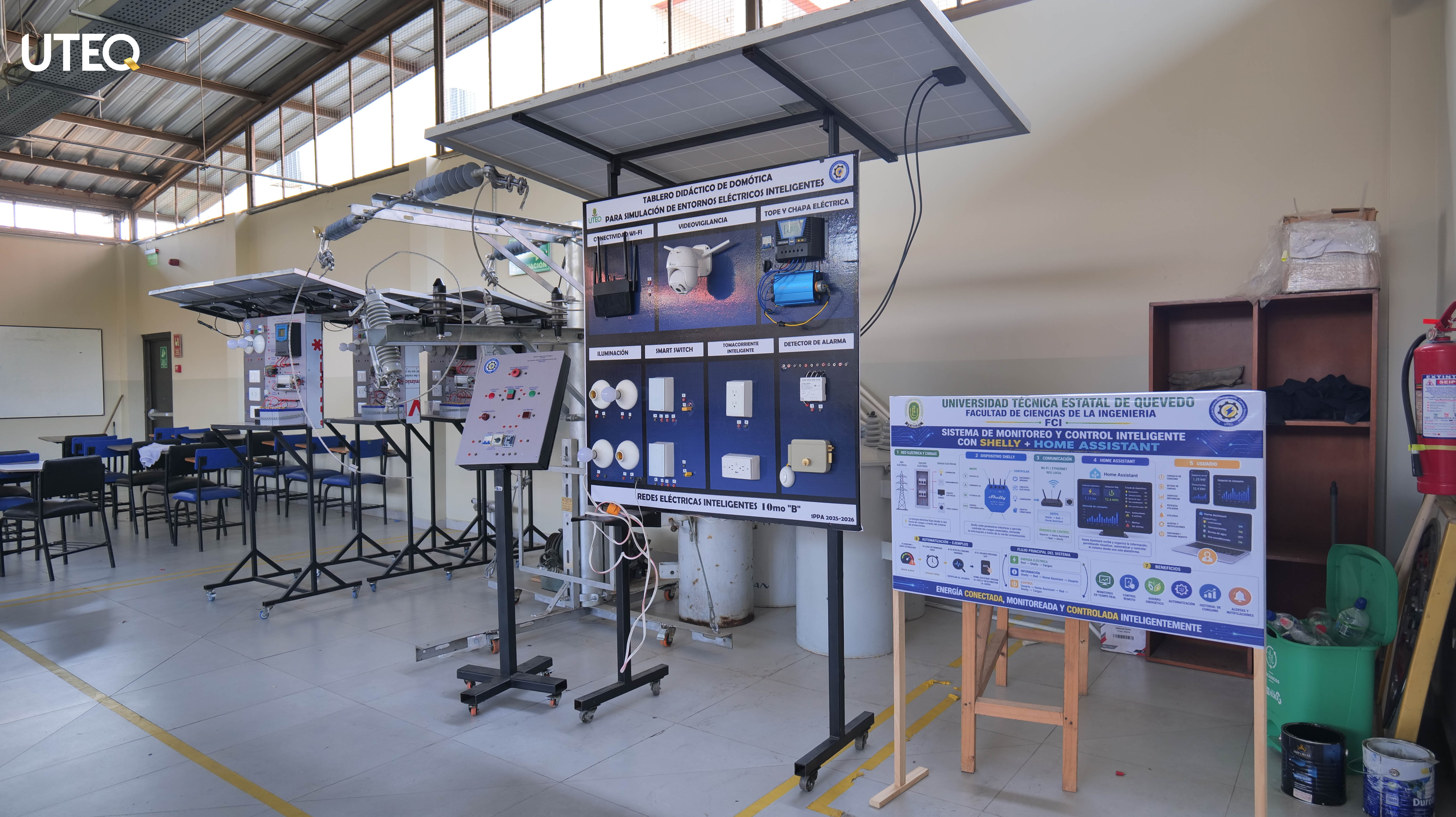
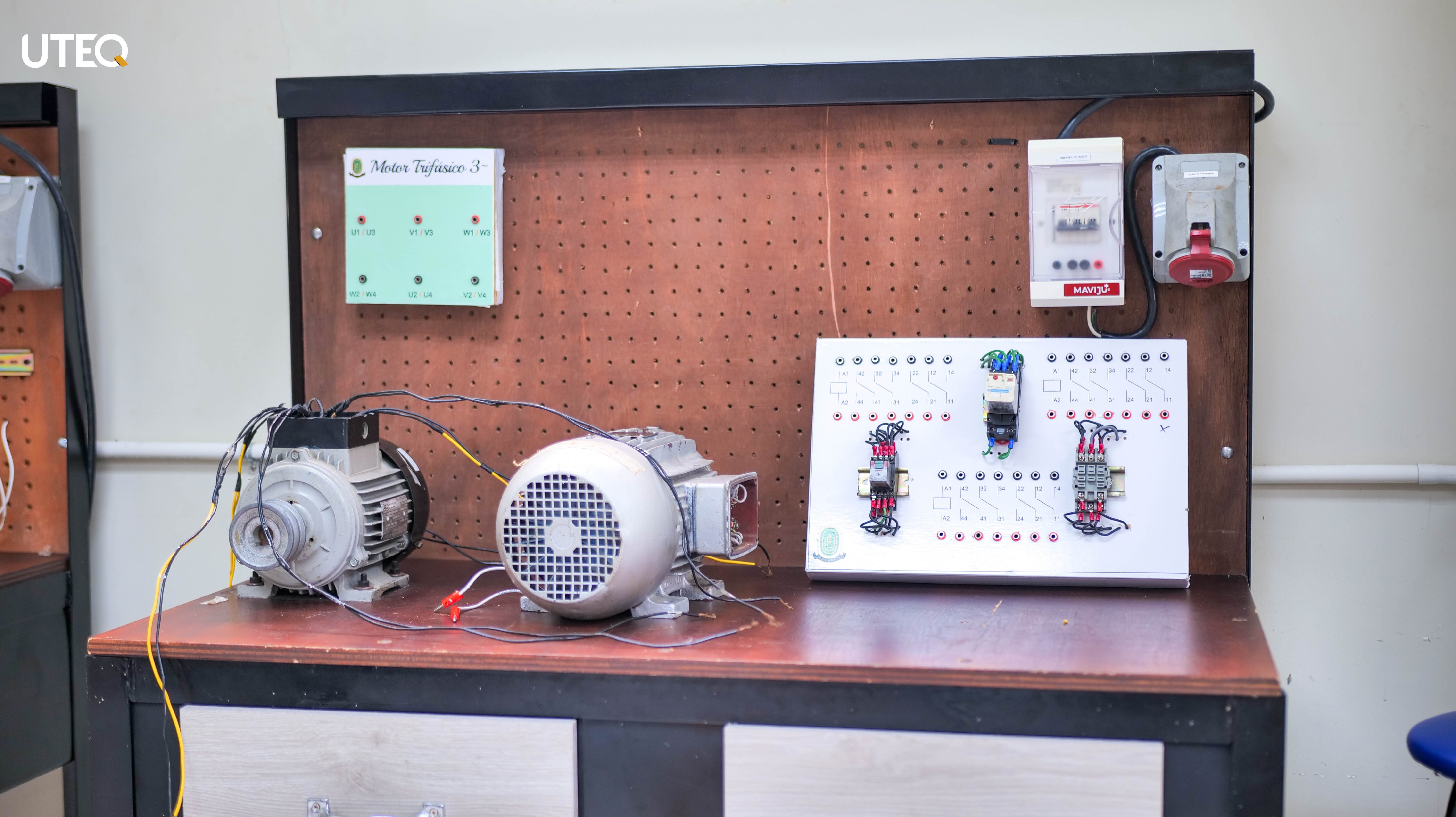
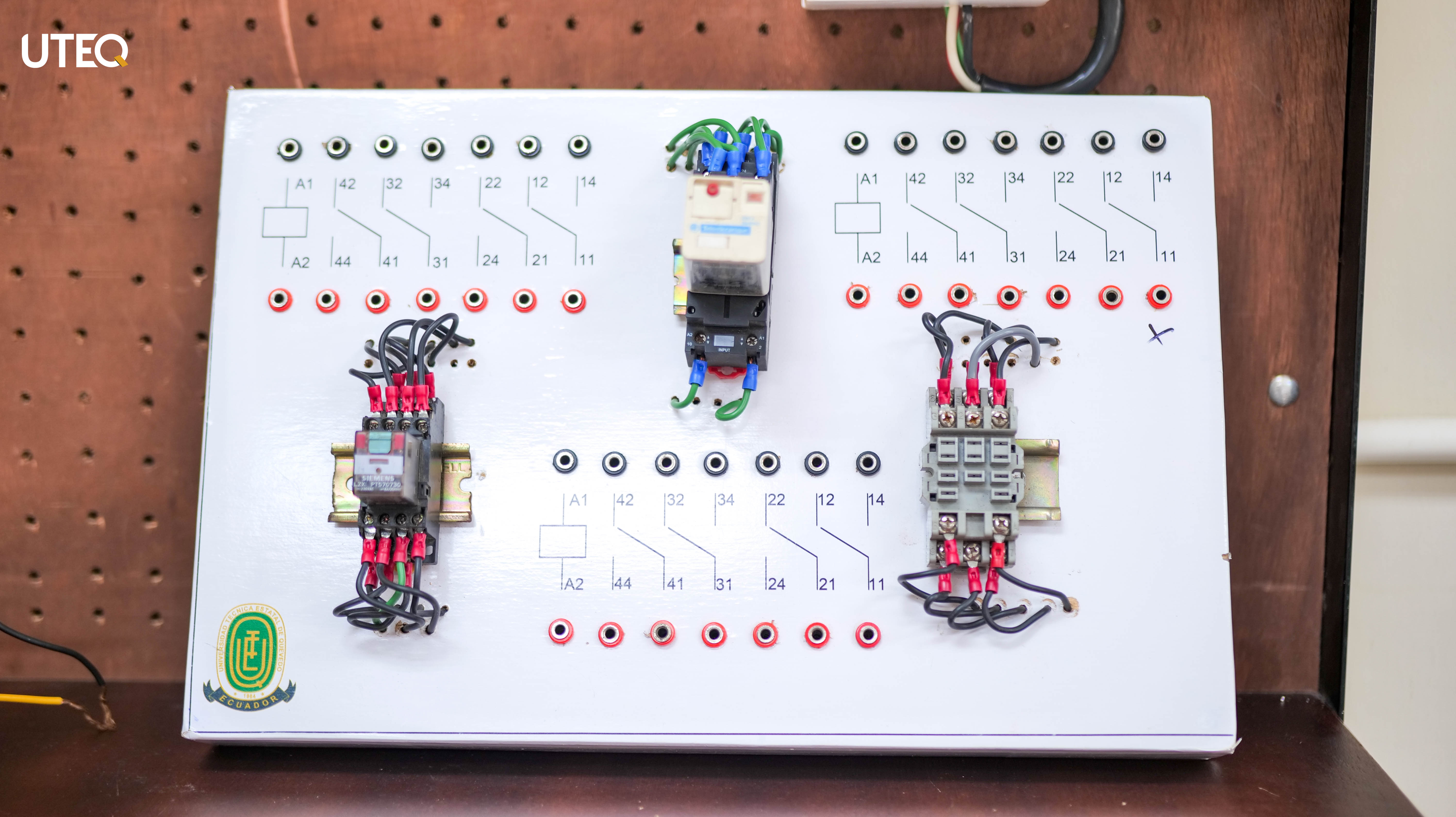
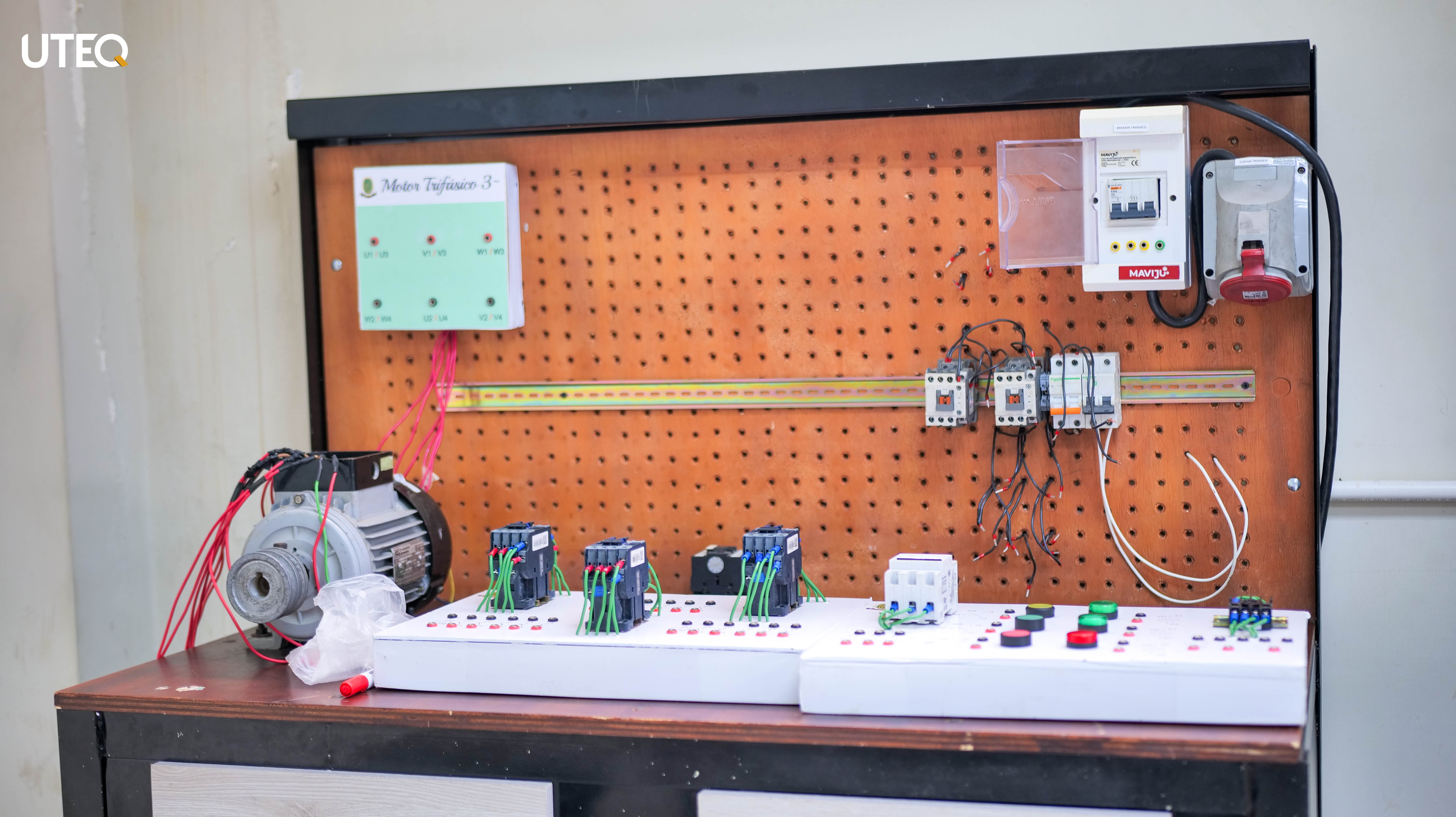
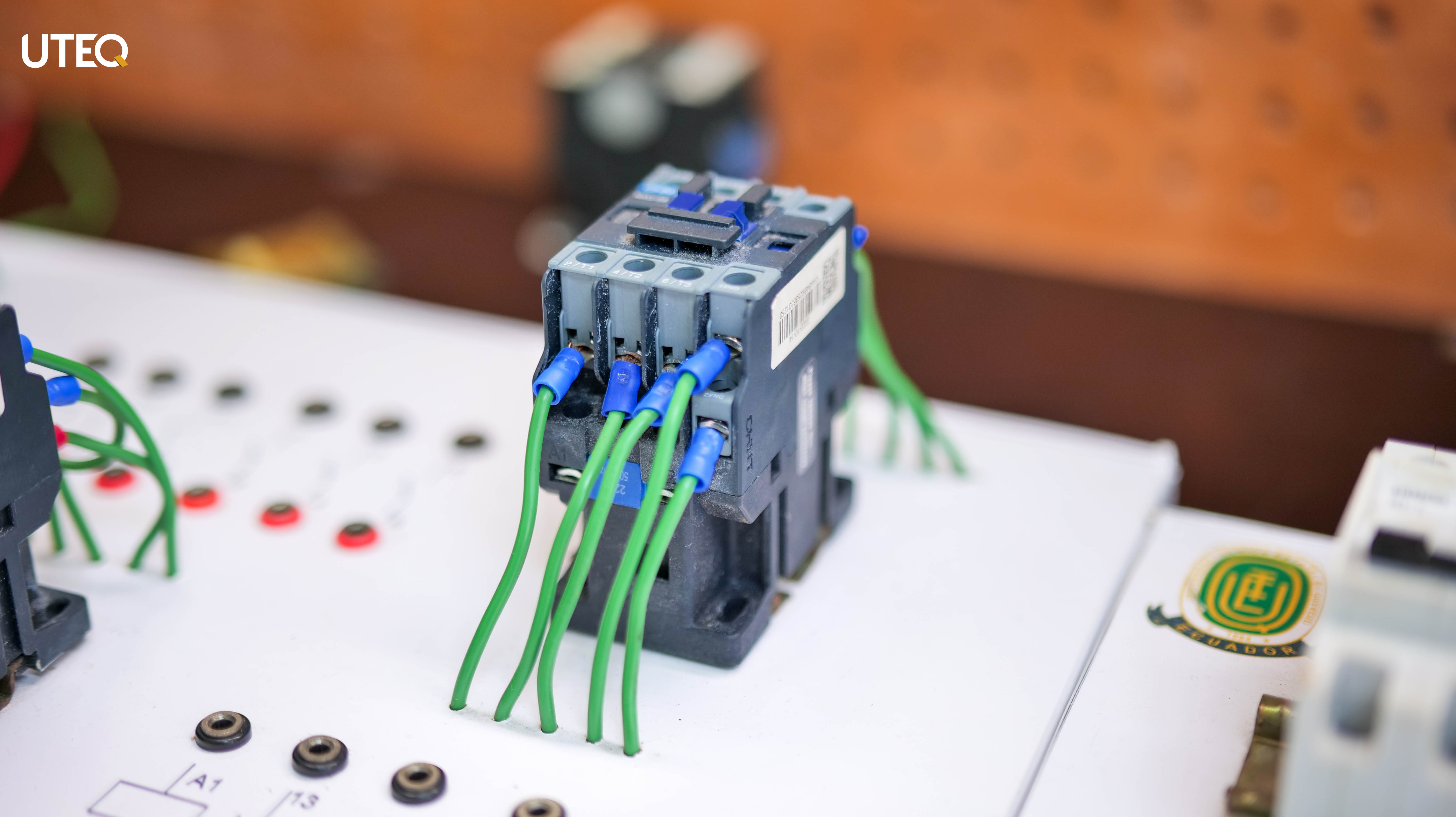
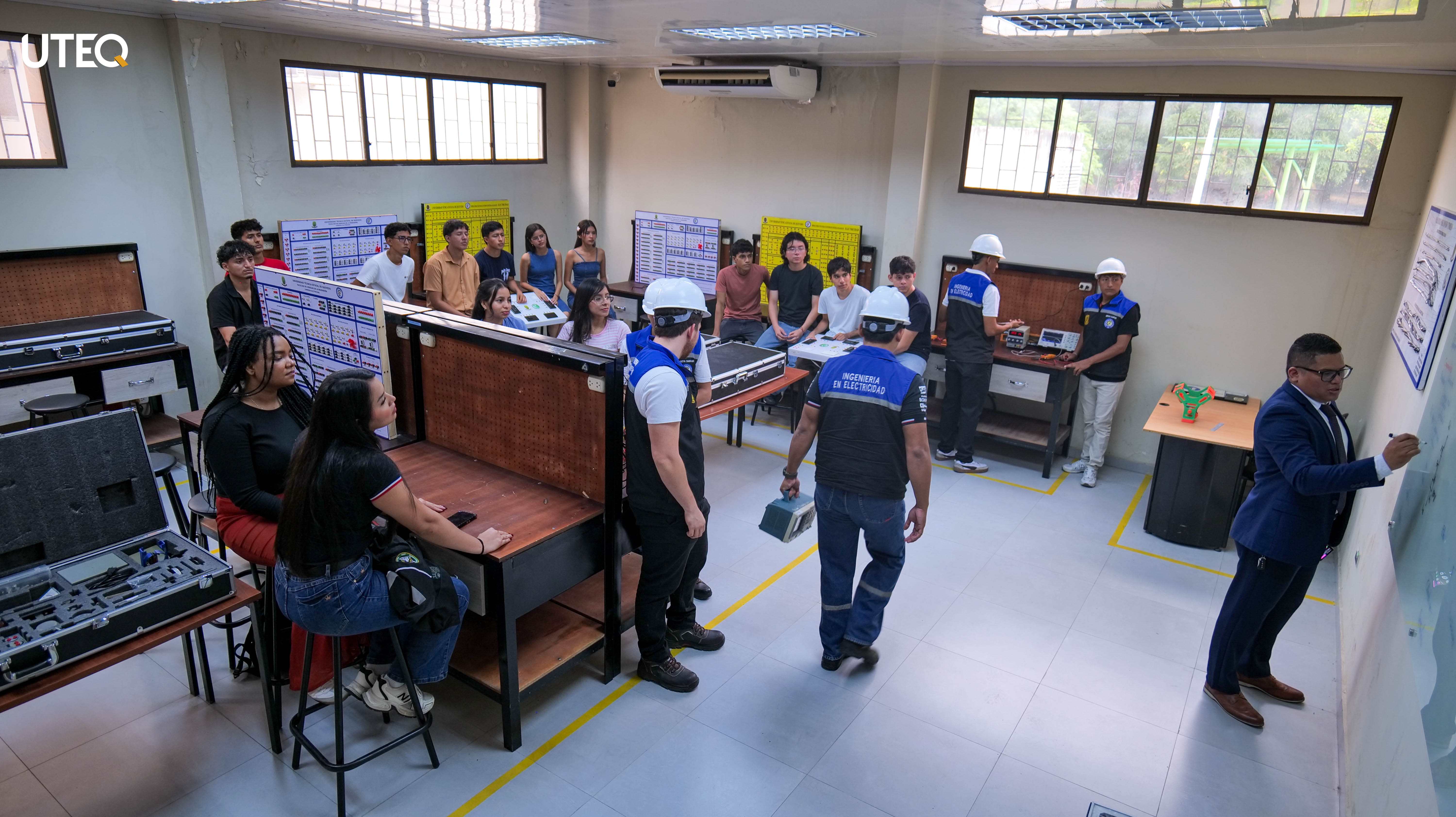
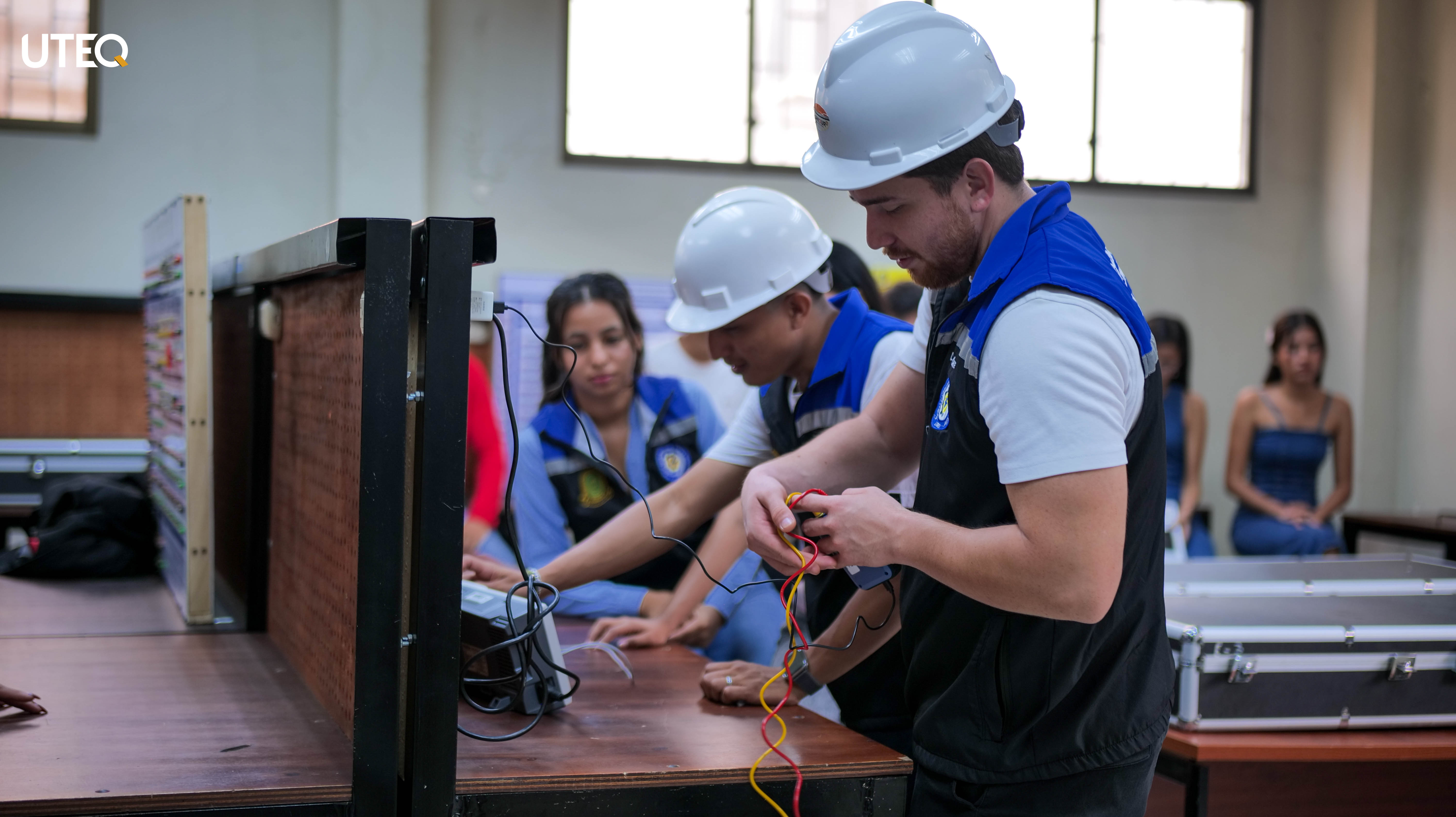
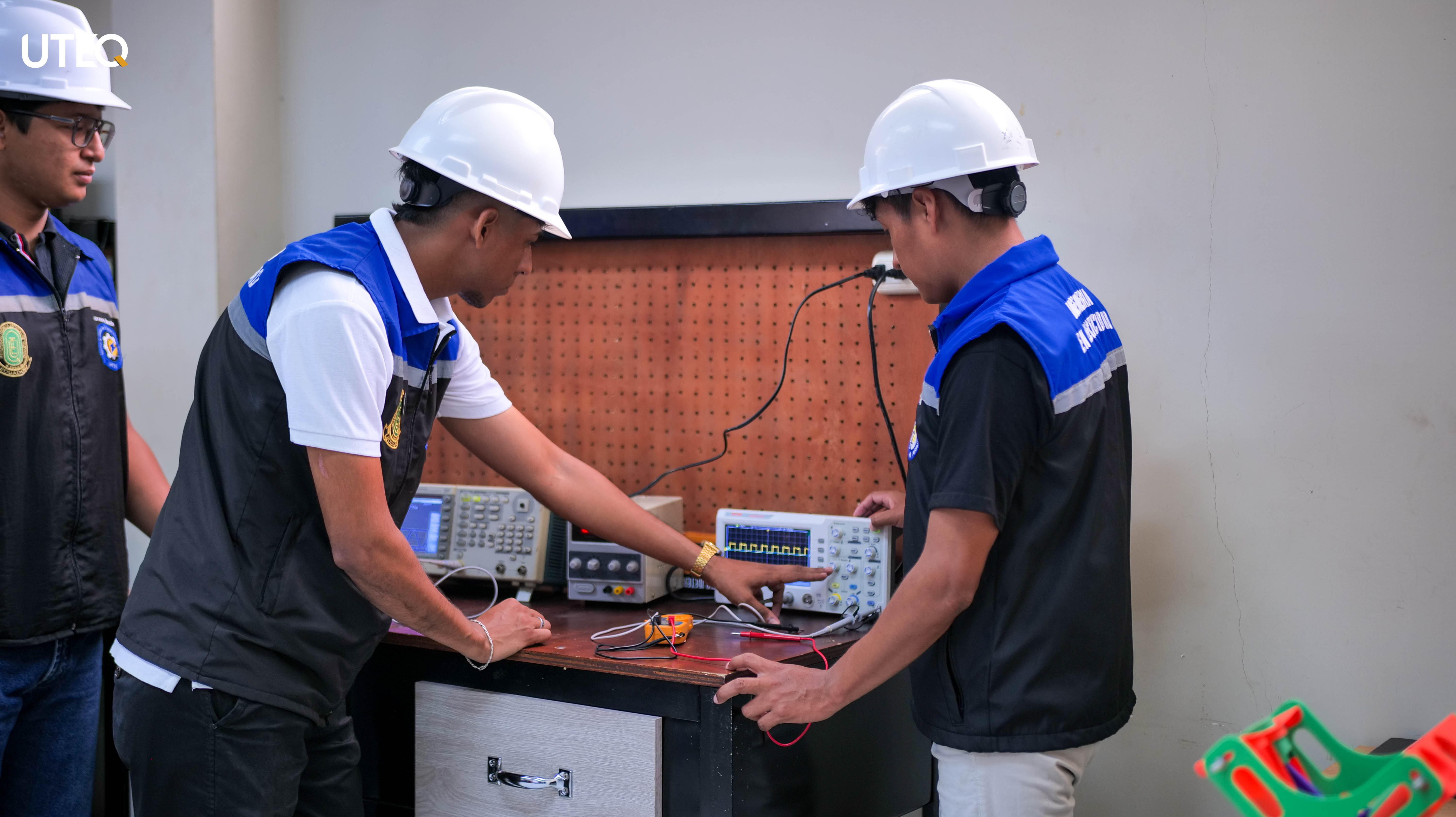
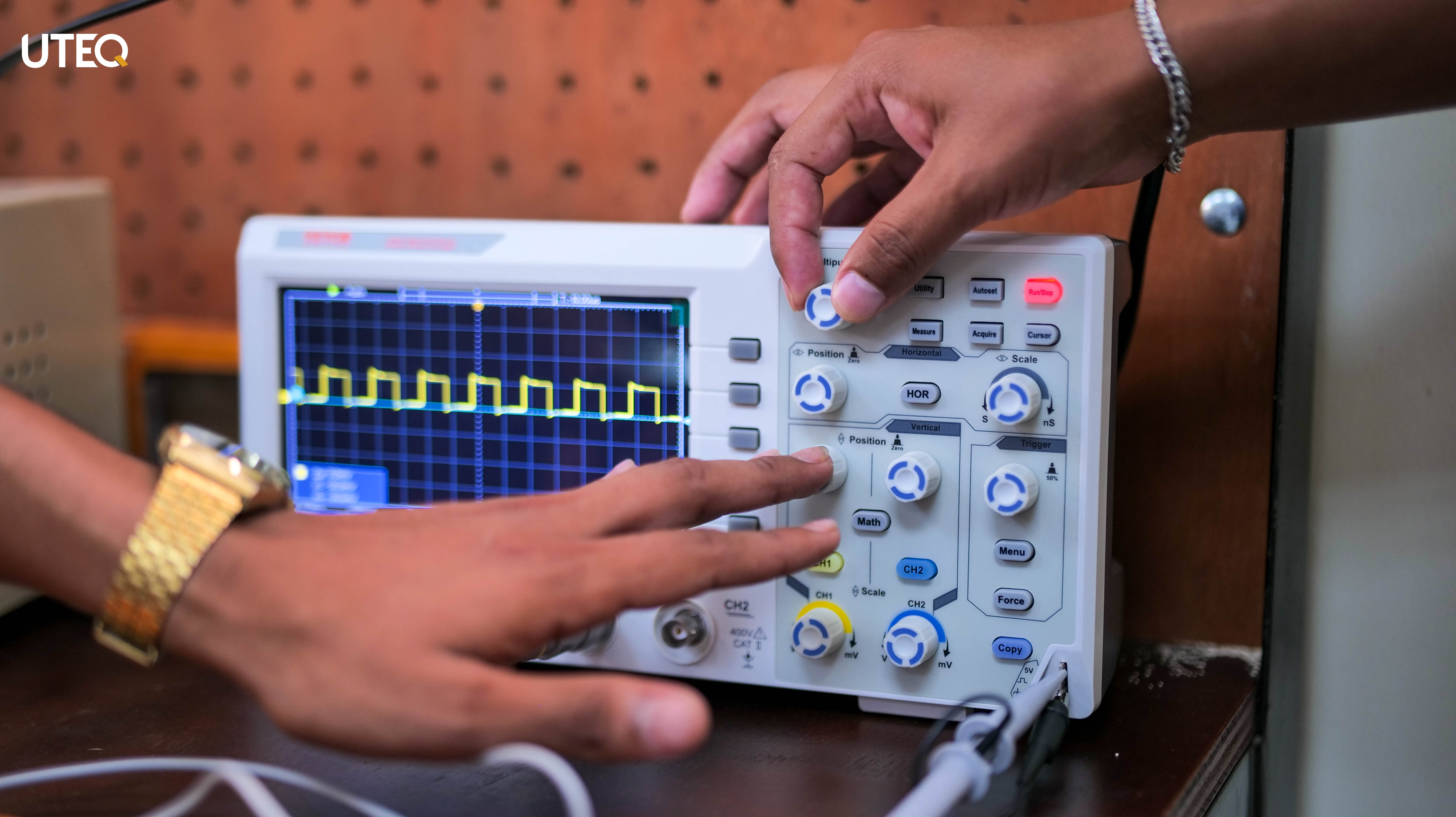
IndustrialIndustrialIndustrialIndustrialIndustrialIndustrialIndustrialIndustrialIndustrialIndustrialIndustrialIndustrialIndustrialIndustrialIndustrialIndustrialIndustrialIndustrialIndustrialIndustrialIndustrialIndustrialIndustrialIndustrialIndustrialIndustrialIndustrialIndustrialIndustrialIndustrialIndustrialIndustrialIndustrialIndustrialIndustrialIndustrialIndustrialIndustrialIndustrialIndustrialIndustrialIndustrialIndustrialIndustrialIndustrialIndustrialIndustrialIndustrialIndustrialIndustrialIndustrial
Capacity30 students
LocationLa María Campus
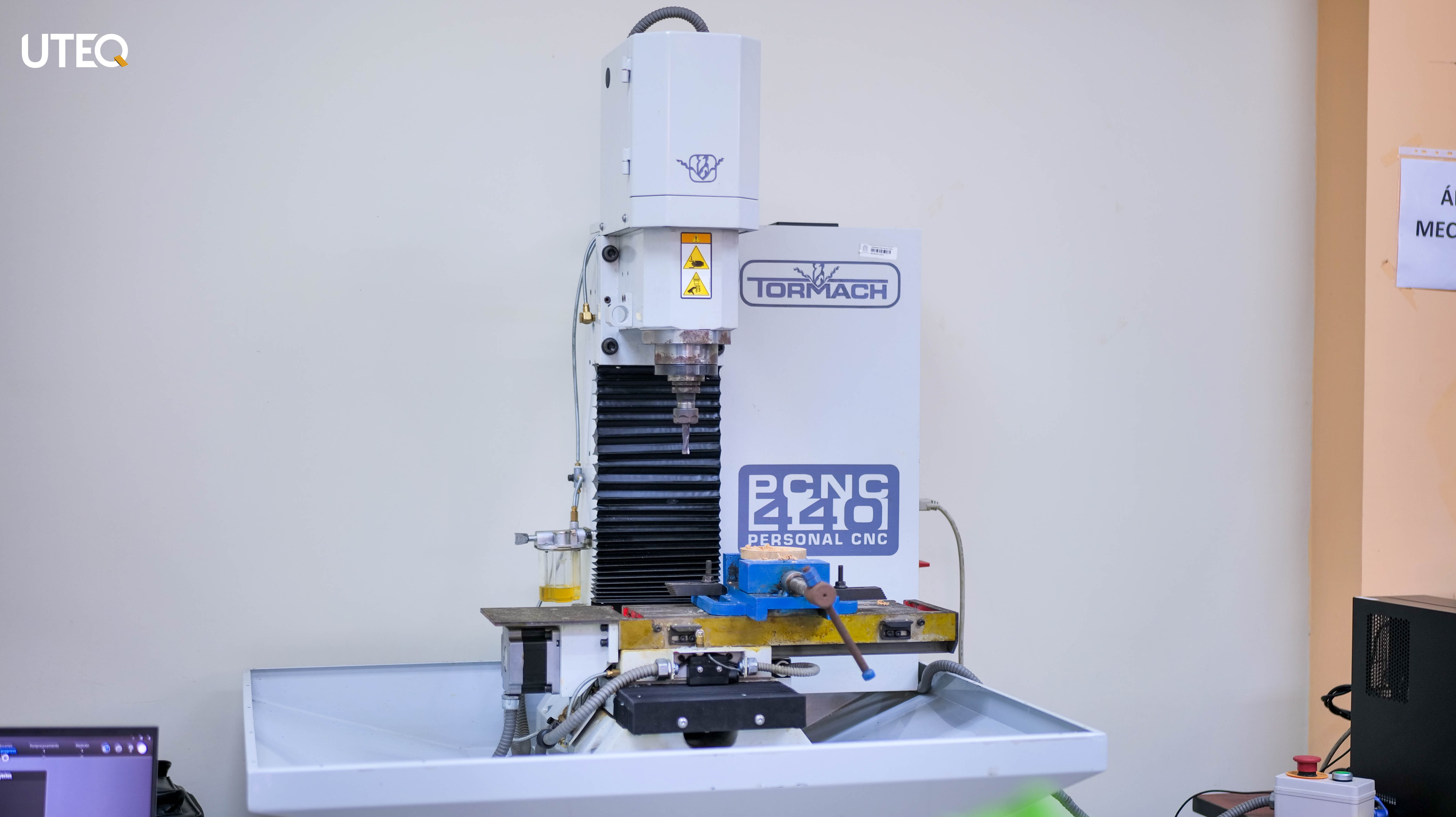
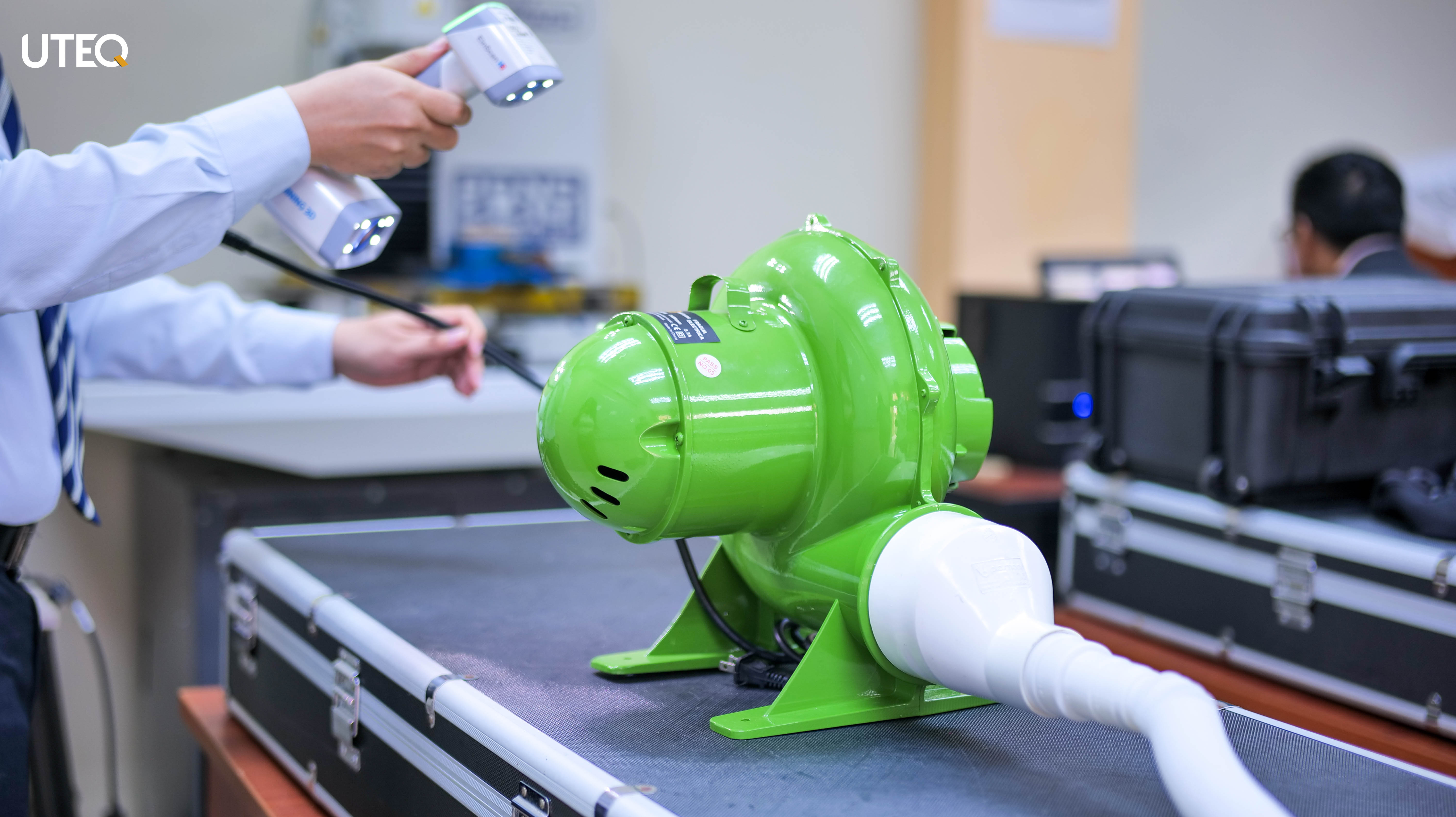
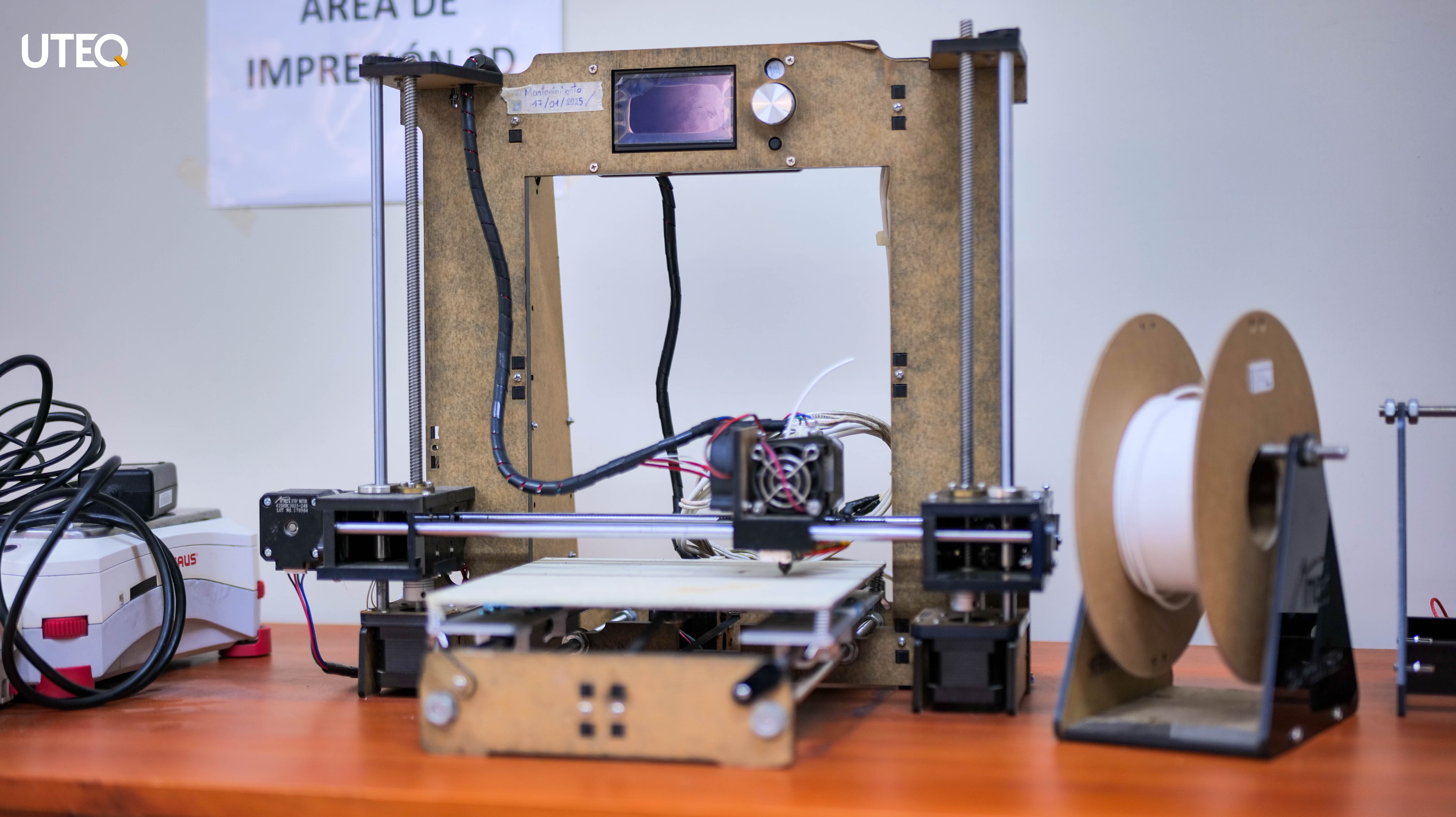
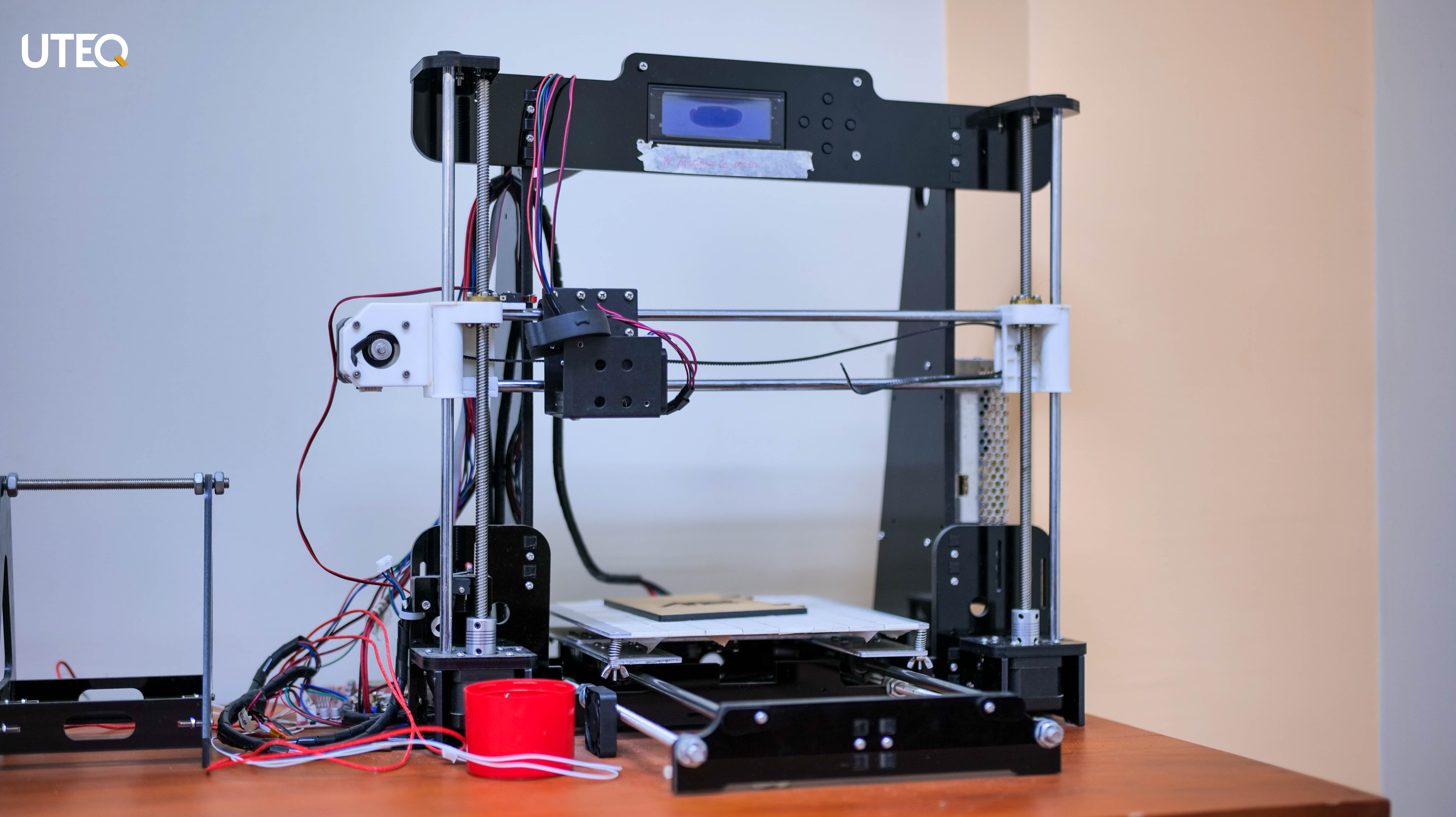
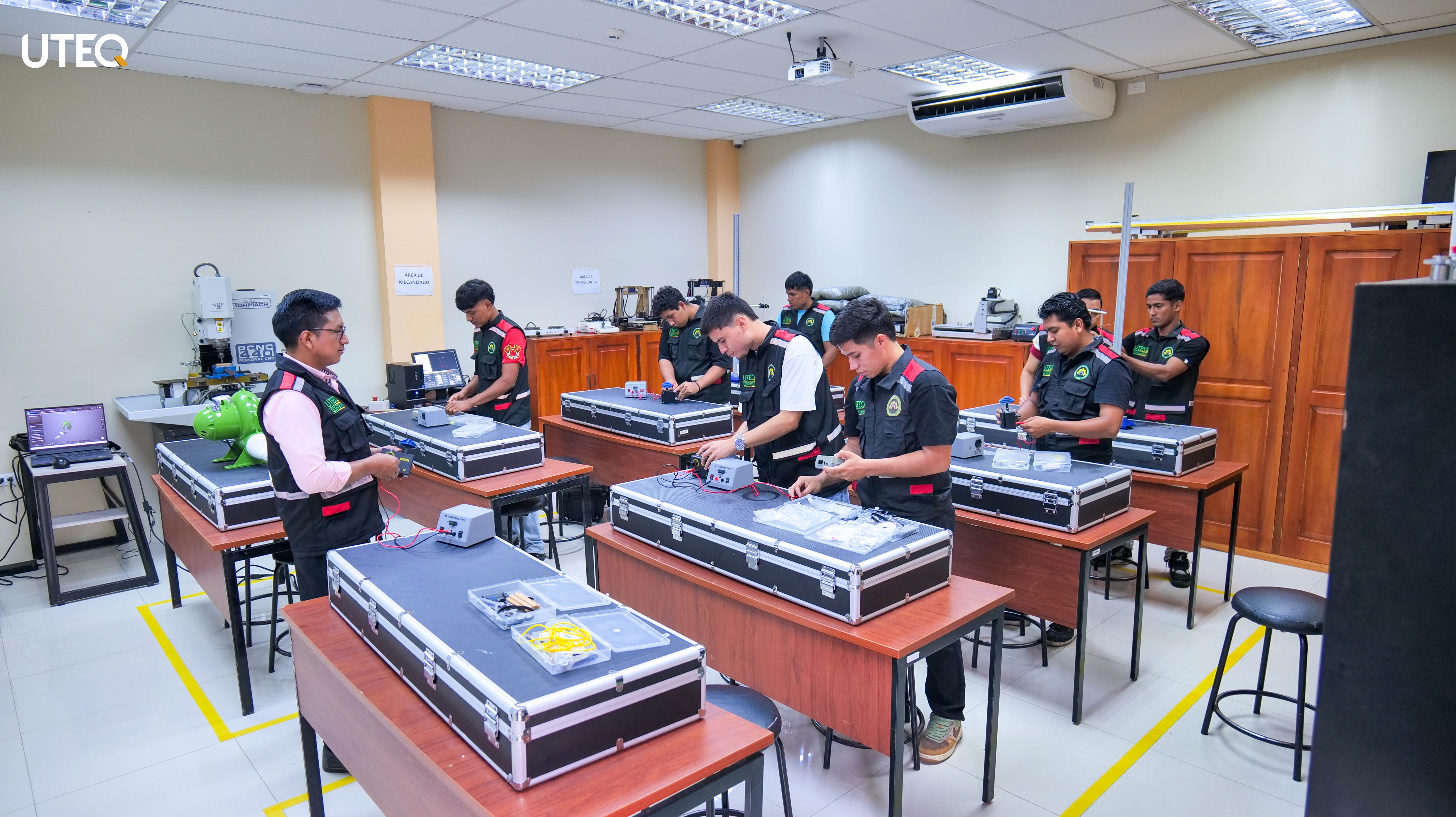
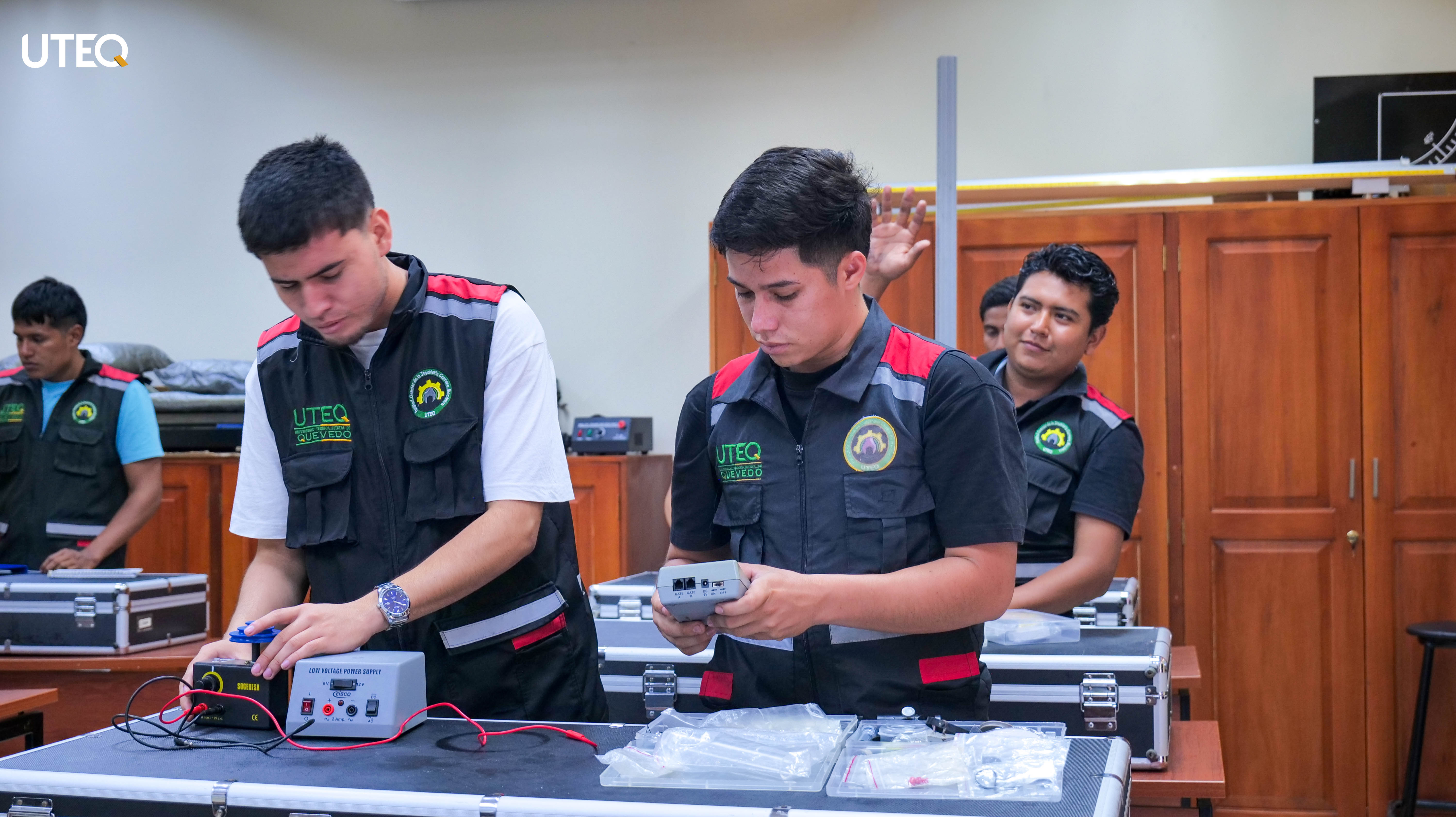
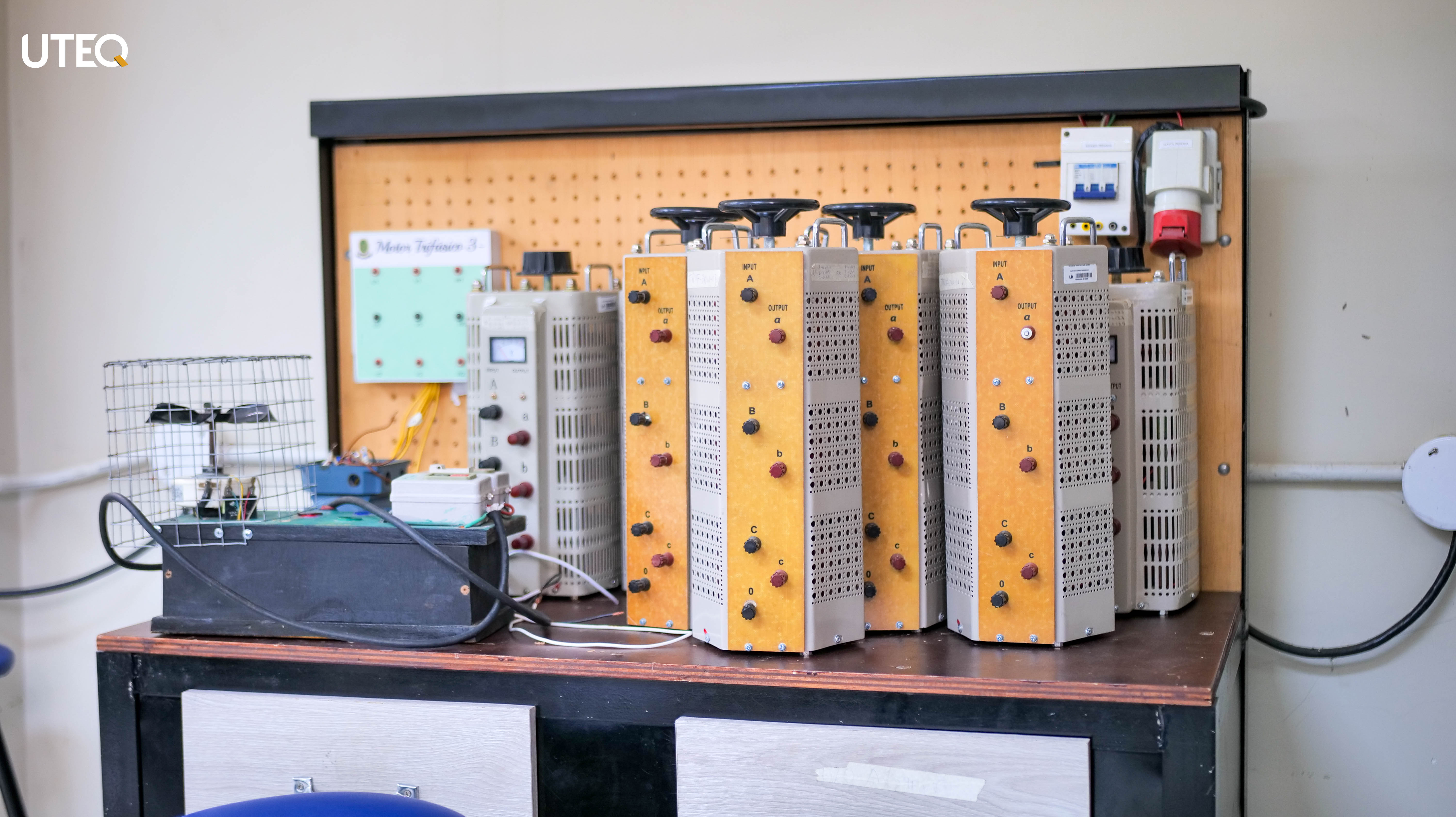
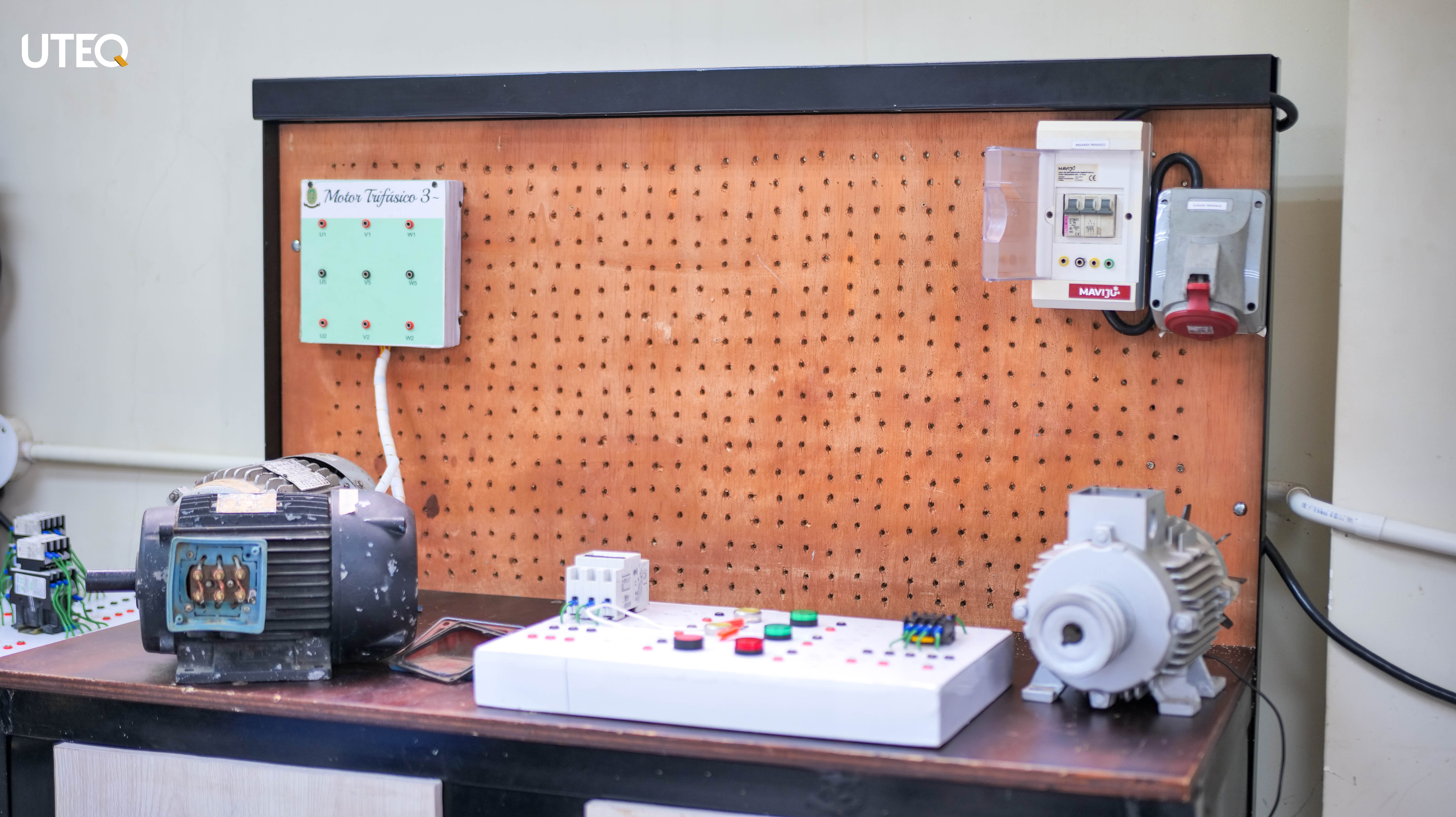
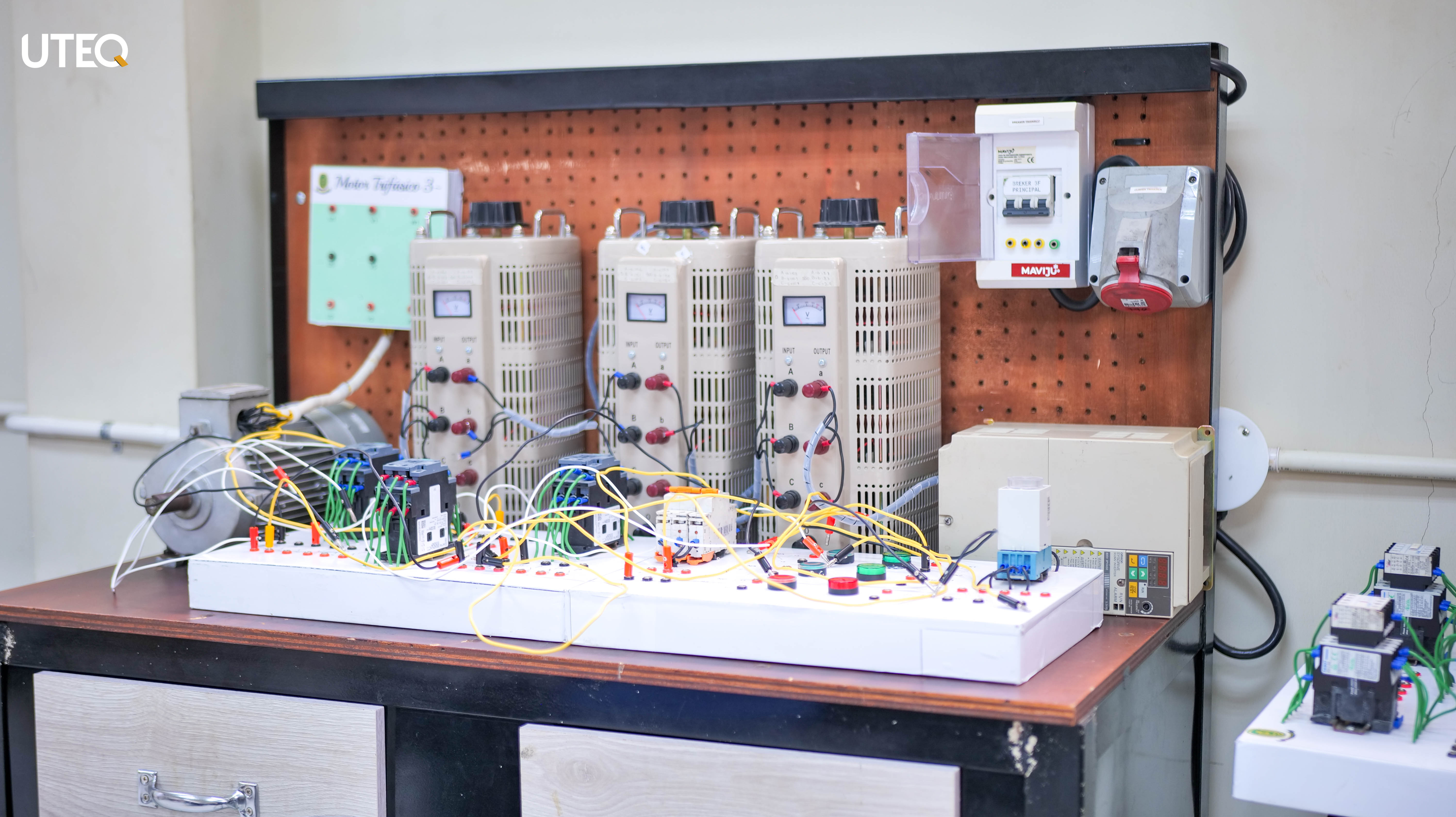
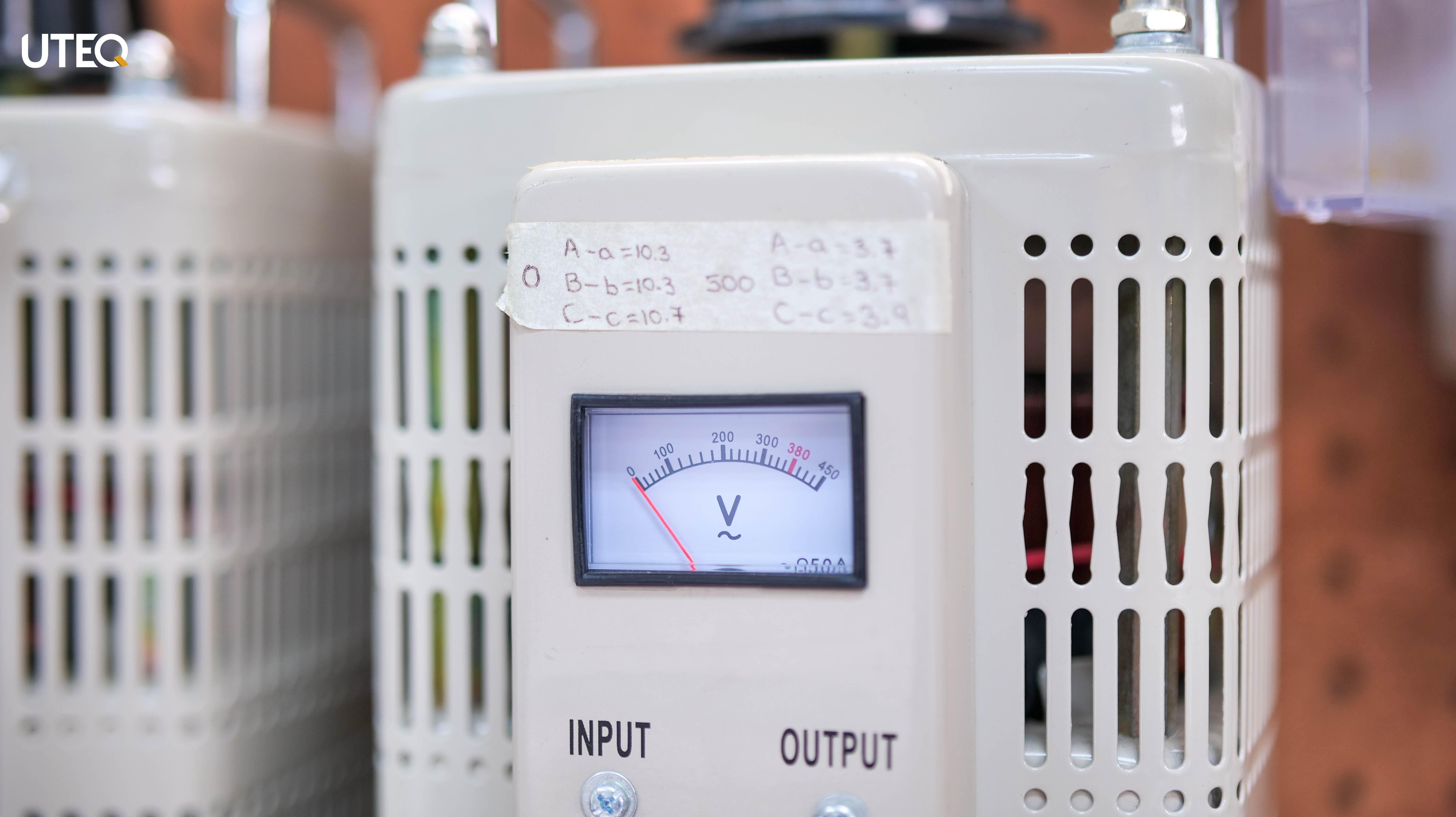
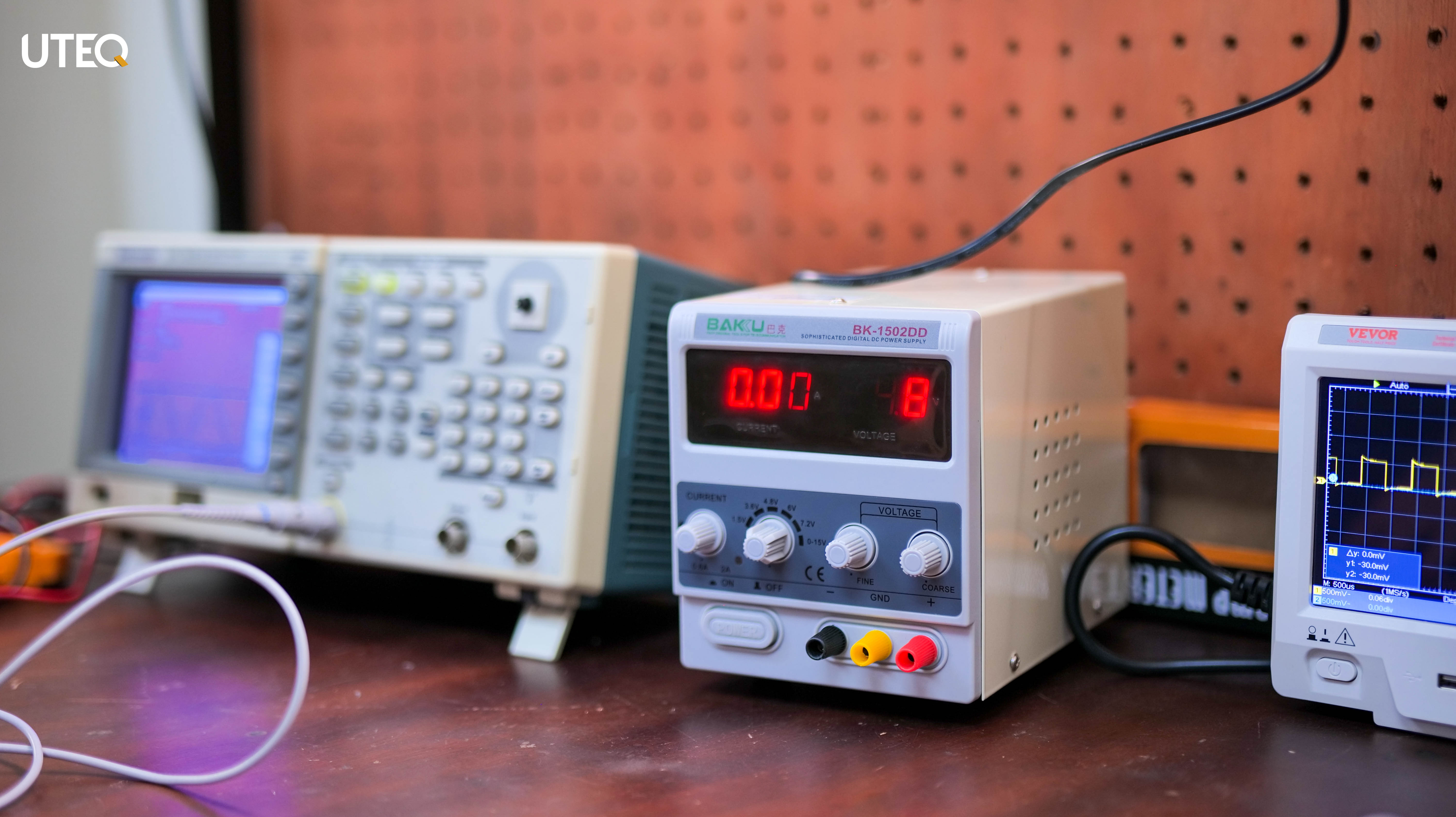
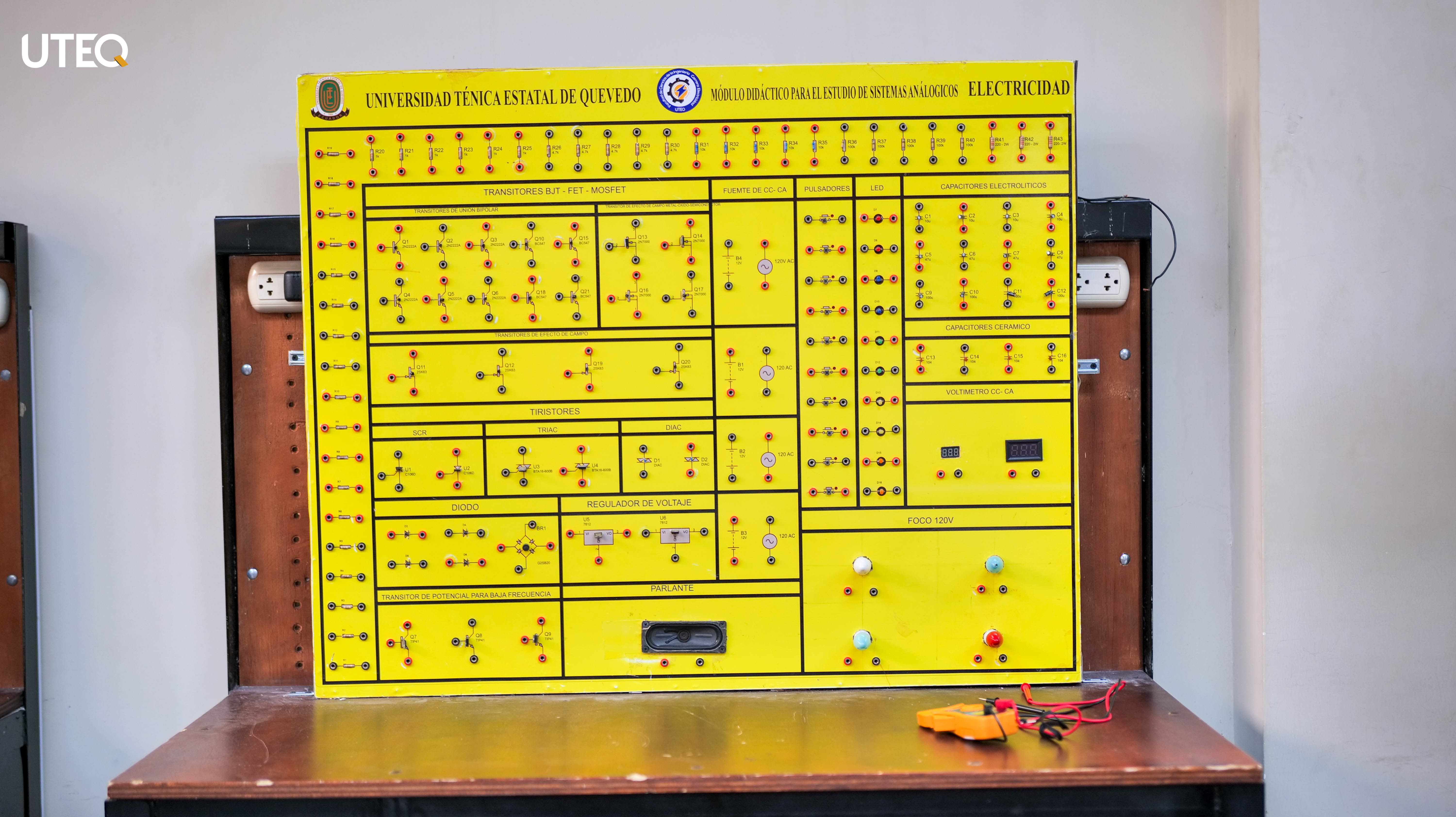
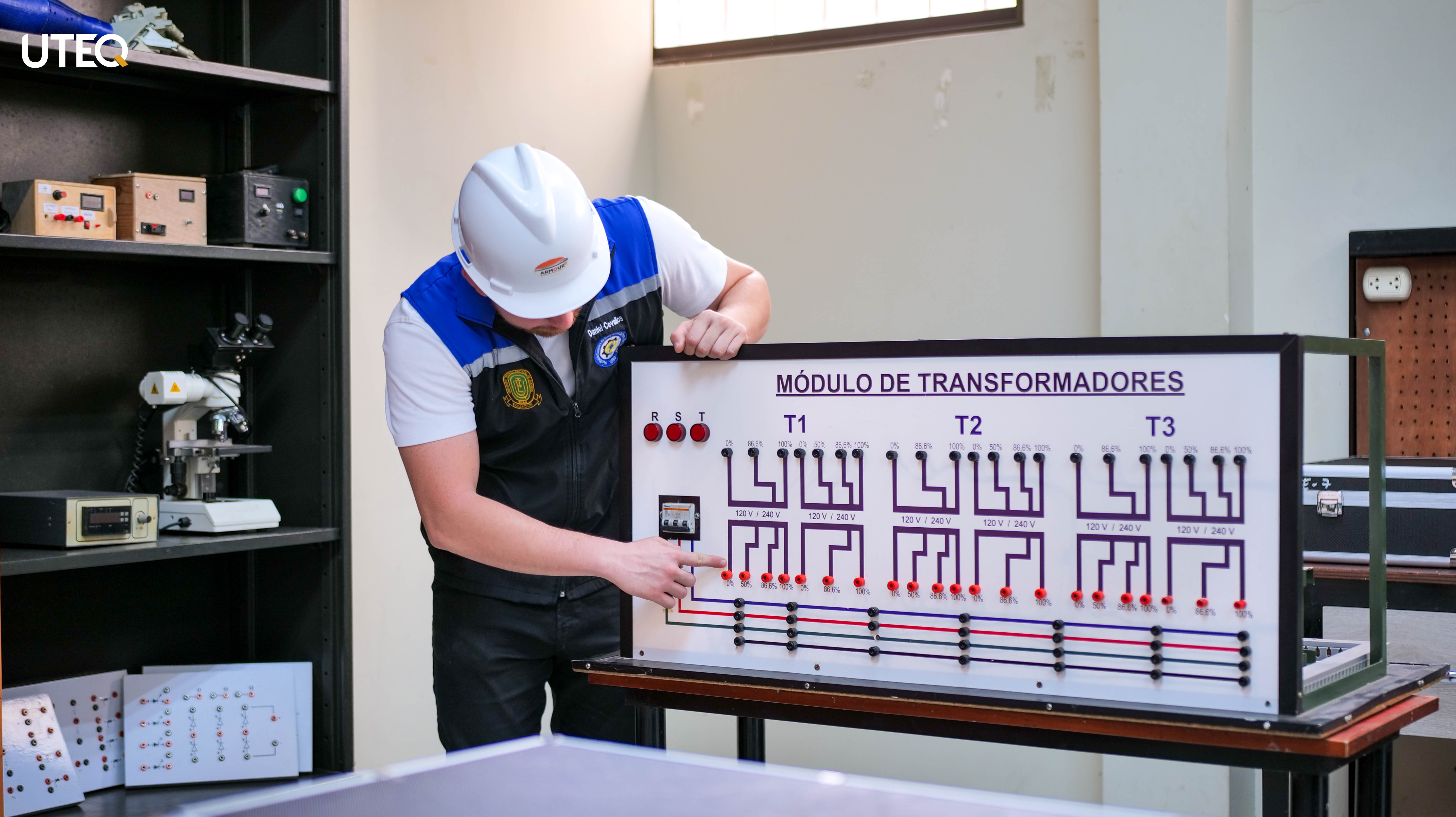
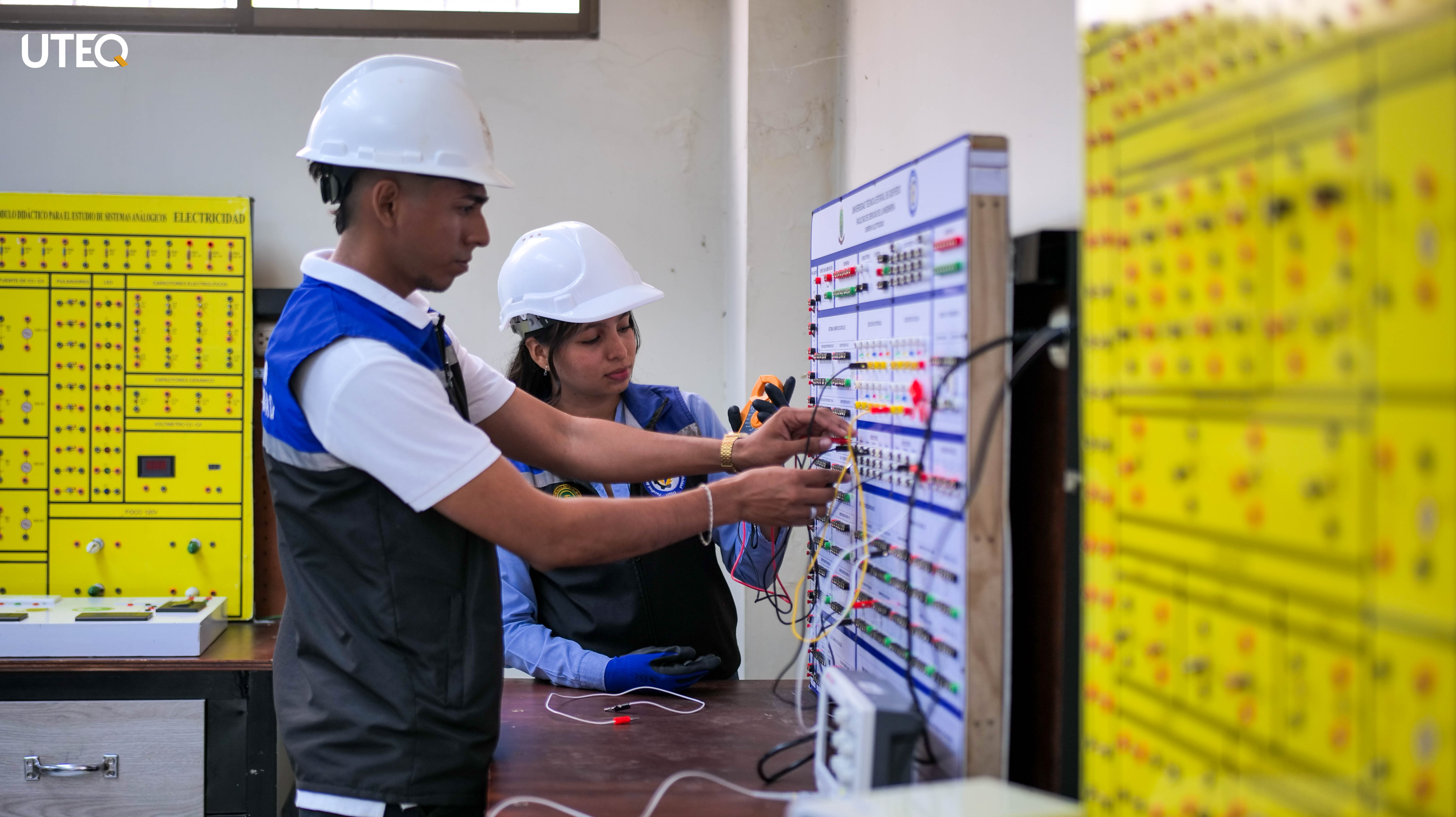
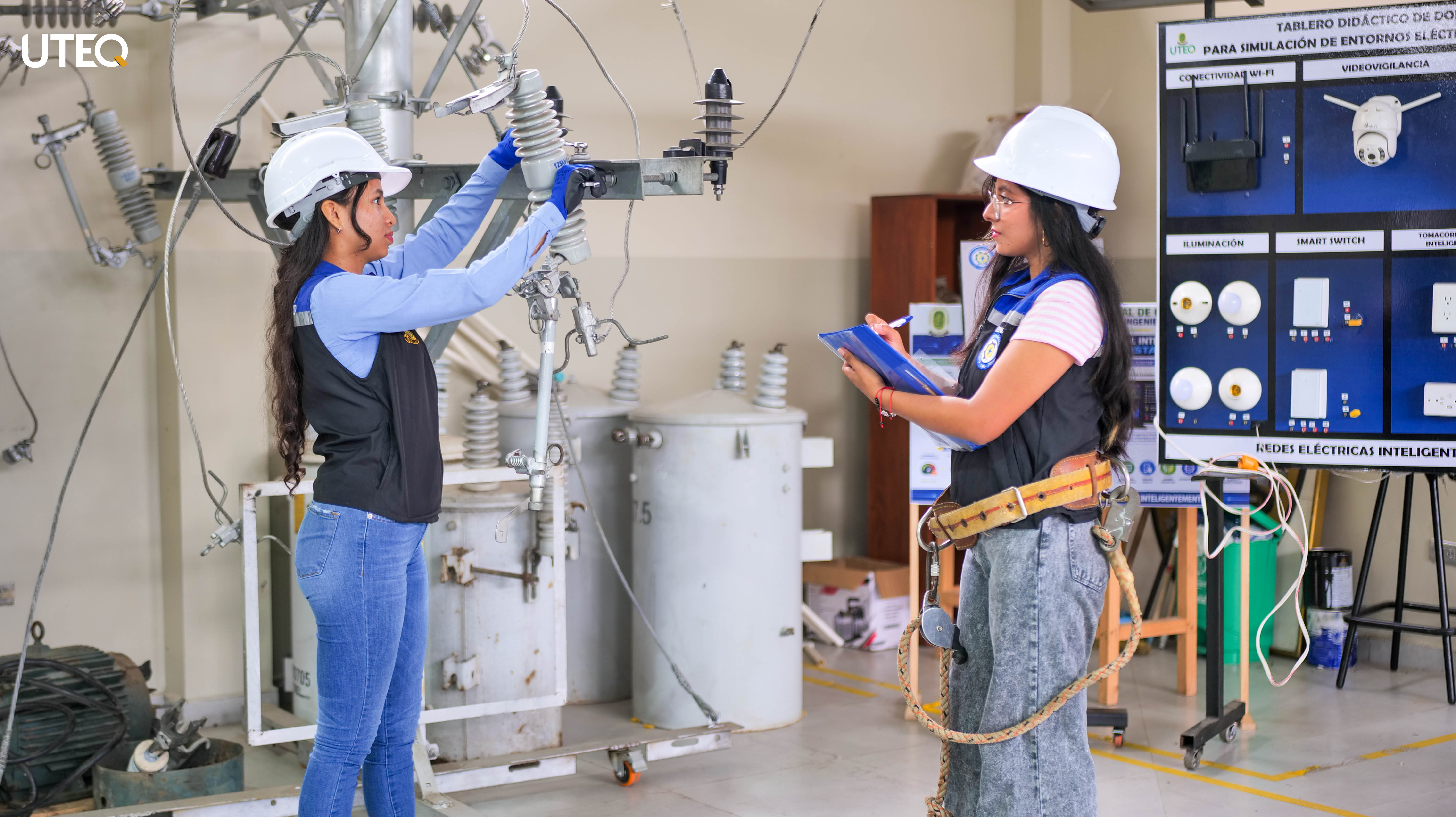
A space dedicated to academic practical work, research, and the experimentation of industrial processes, focused on the analysis, control, and optimization of operations, materials, and products. It enables the strengthening of competencies in transformation processes, quality control, industrial safety, and production process efficiency.
Equipment

Benchtop ammeter

Plexiglass rod

Glass rod

Ebonite rod

Compass

Coils with terminals

Actinometer

Dilatometer needle

Analog ammeter

Gravesande ring and ball

Balance

Cylinder with disc

Motion cart with support

Measuring tape

Profile holder

Power supply

Gallery

Activities carried out

  • Basic sciences
  • Physics practical sessions
  • Thermology practical sessions
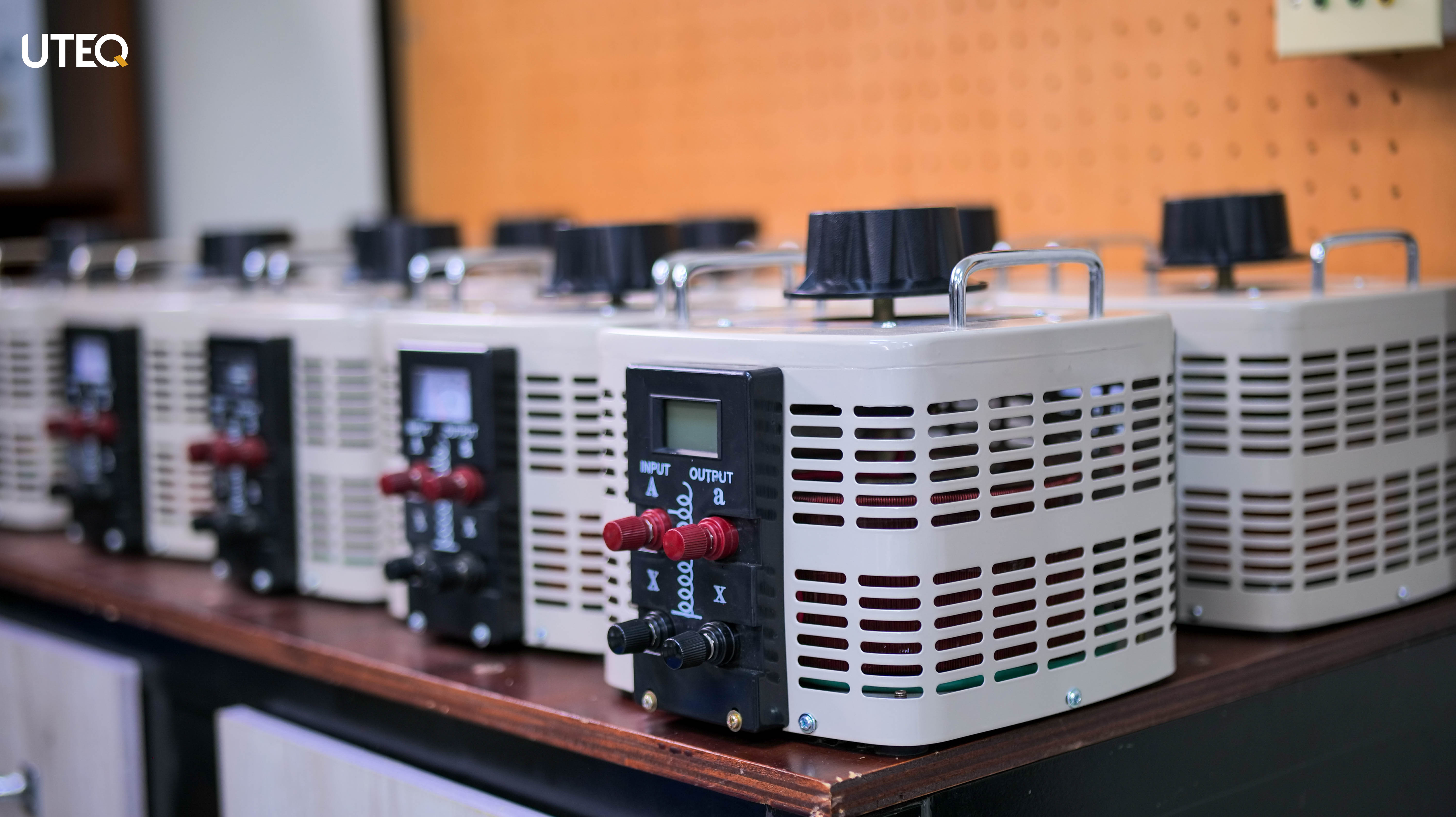
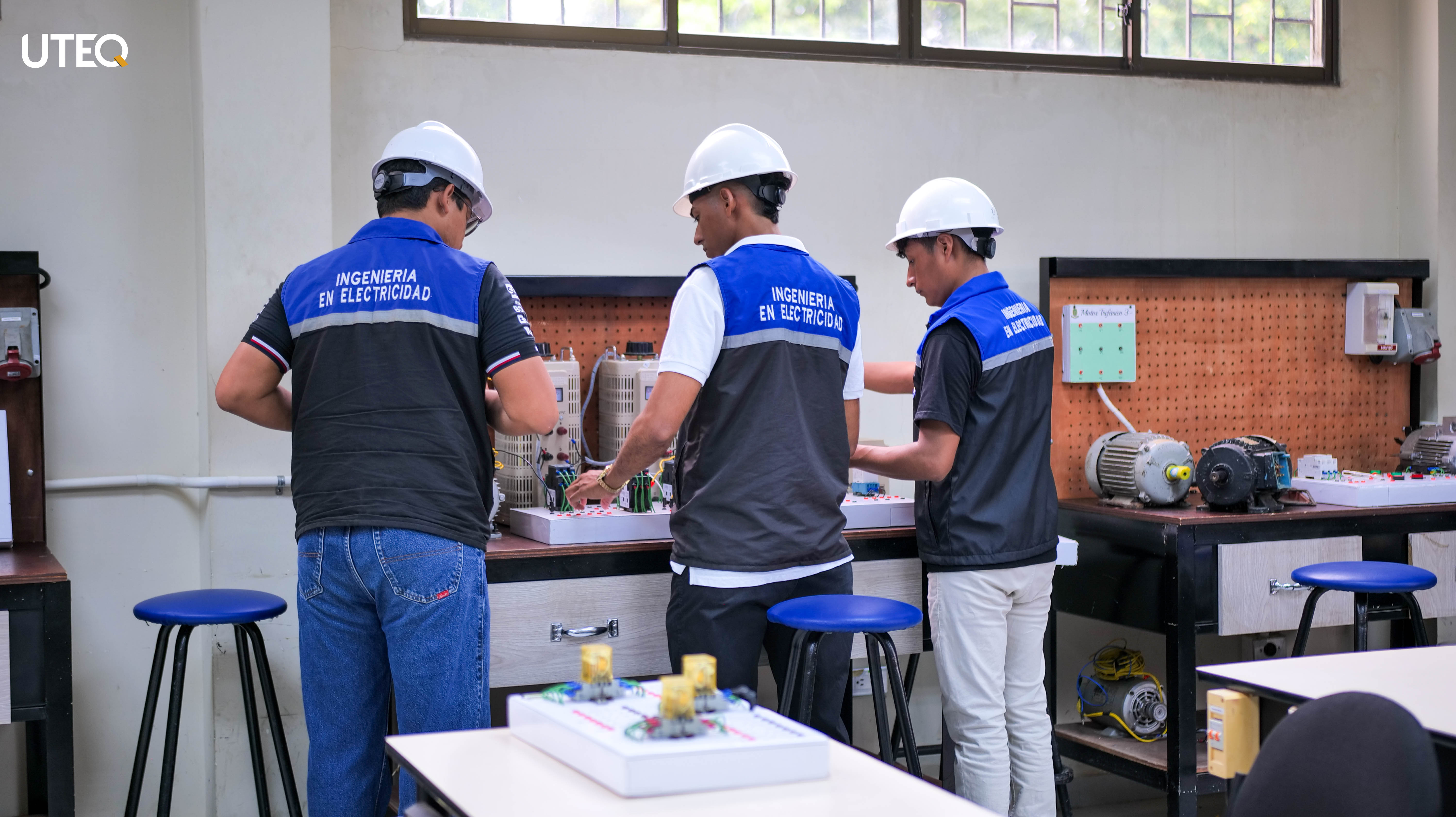
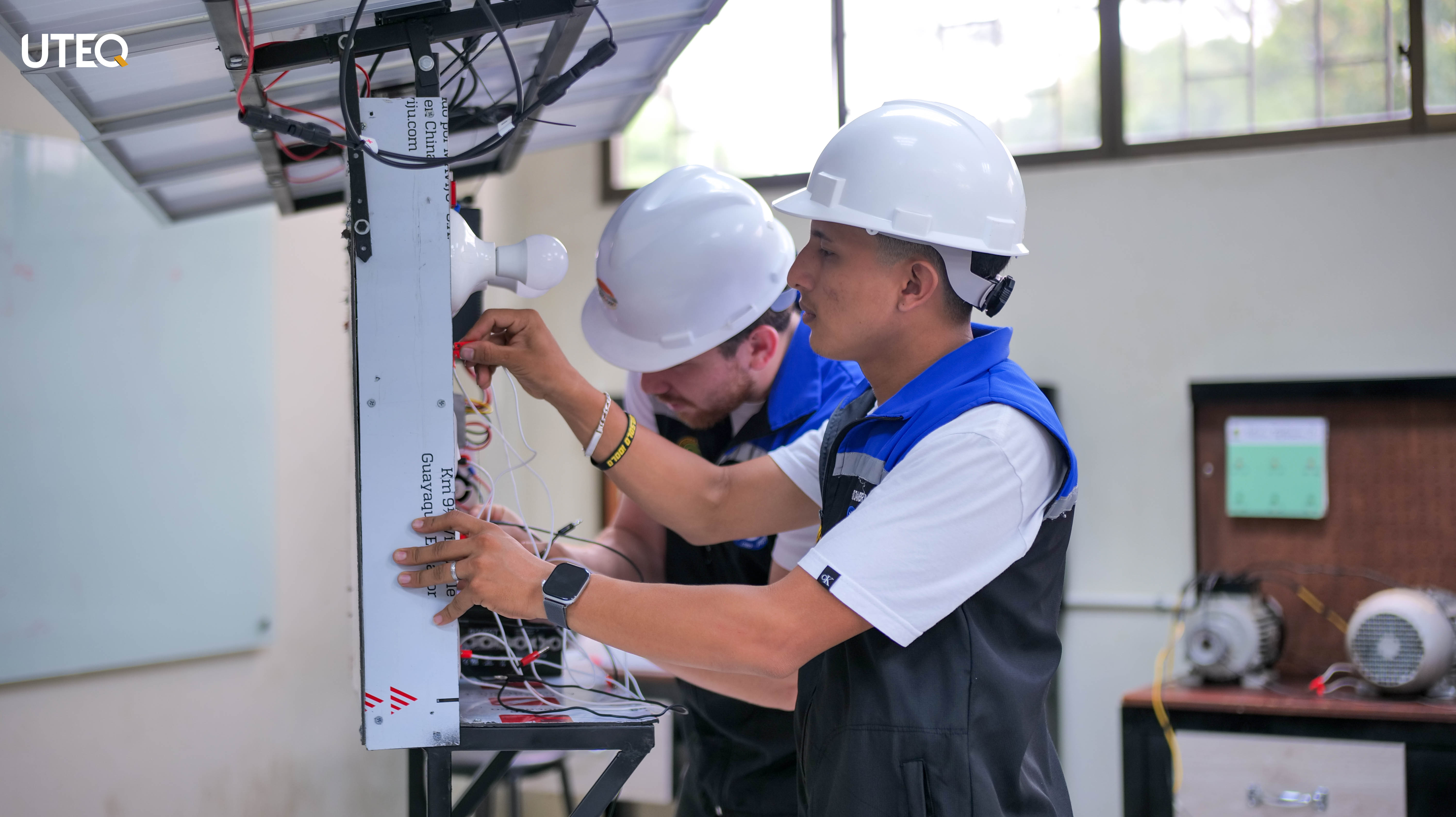
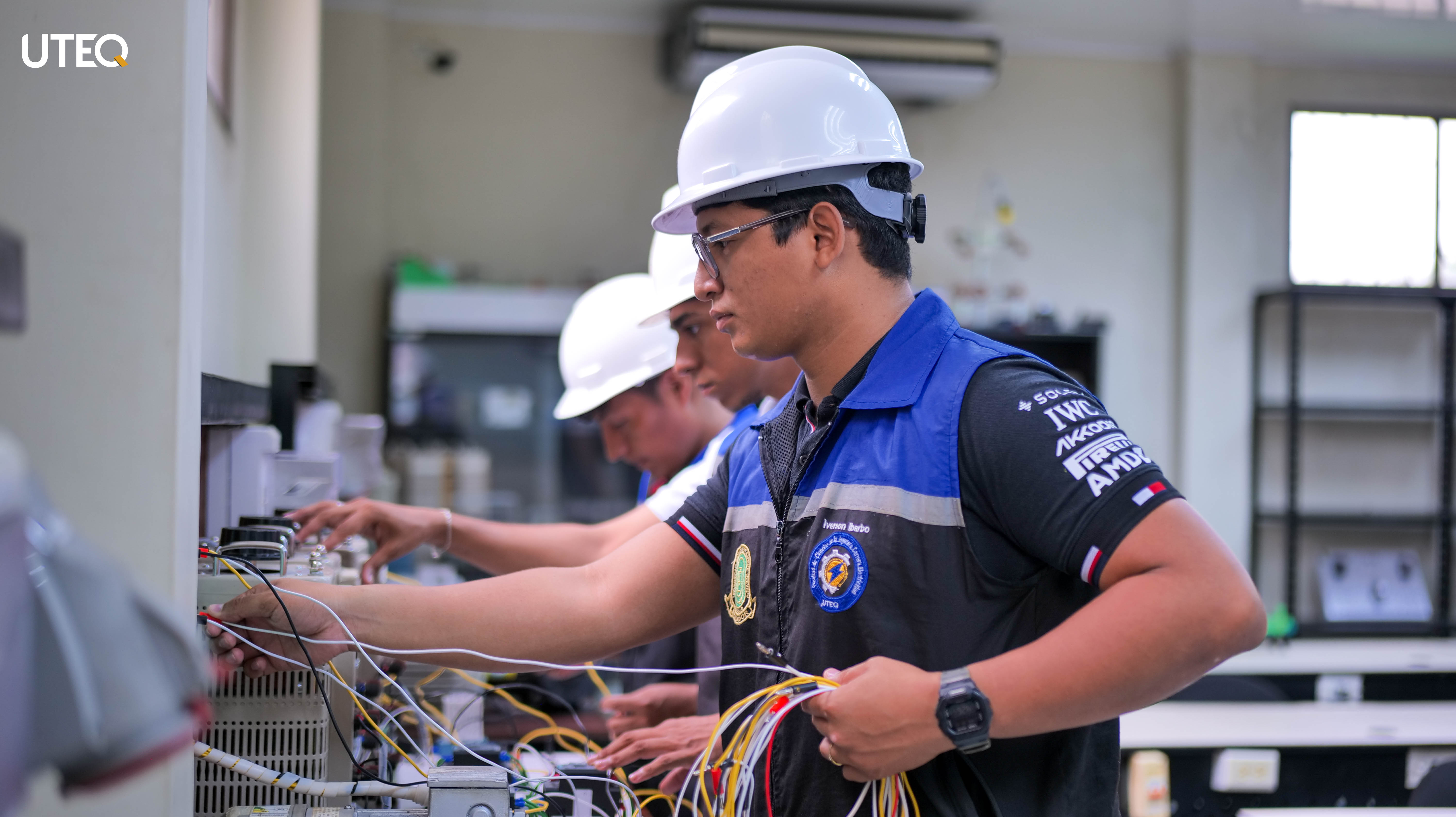
  • Electricity practical sessions
  • Electronics, control and automation
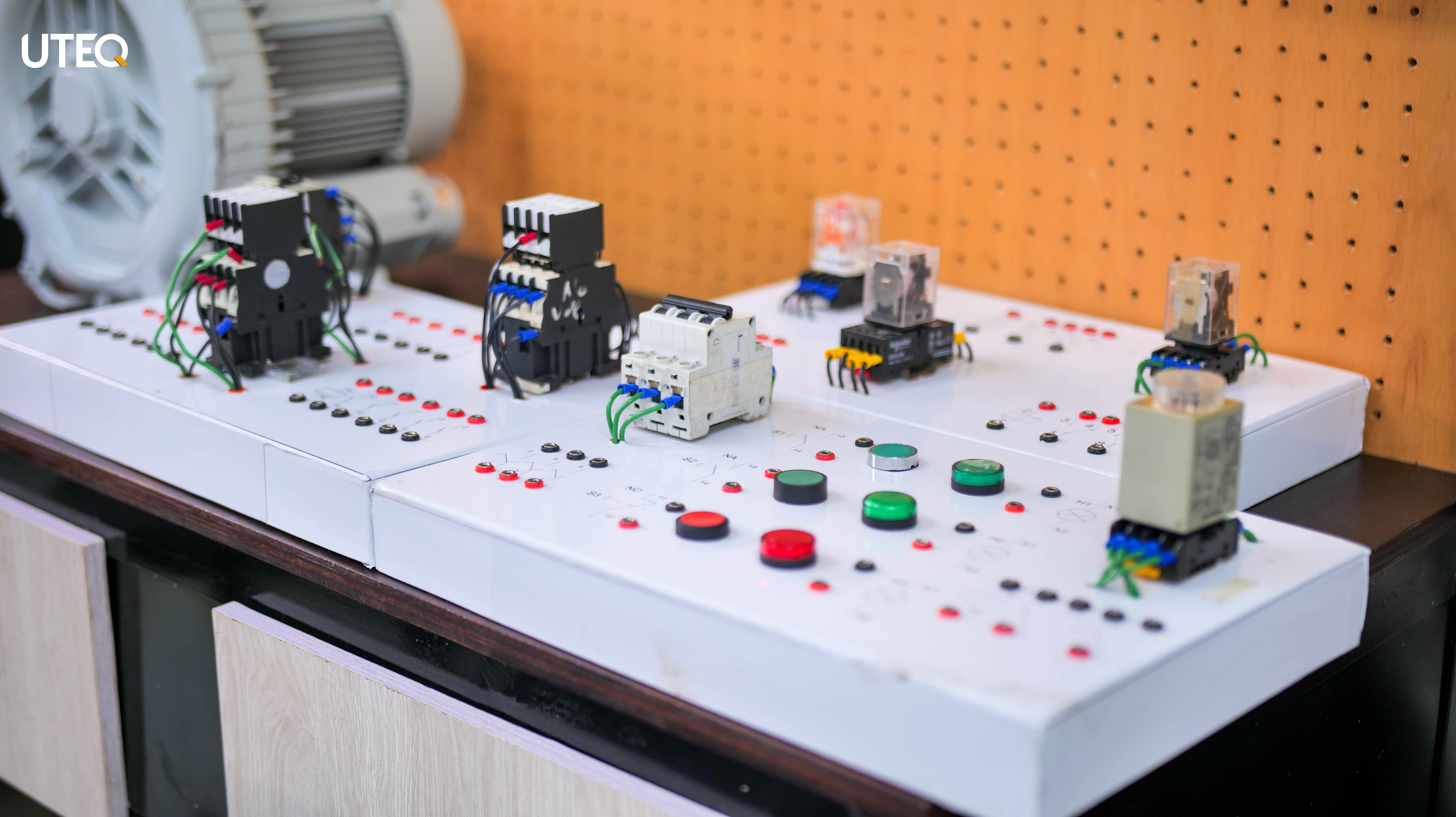
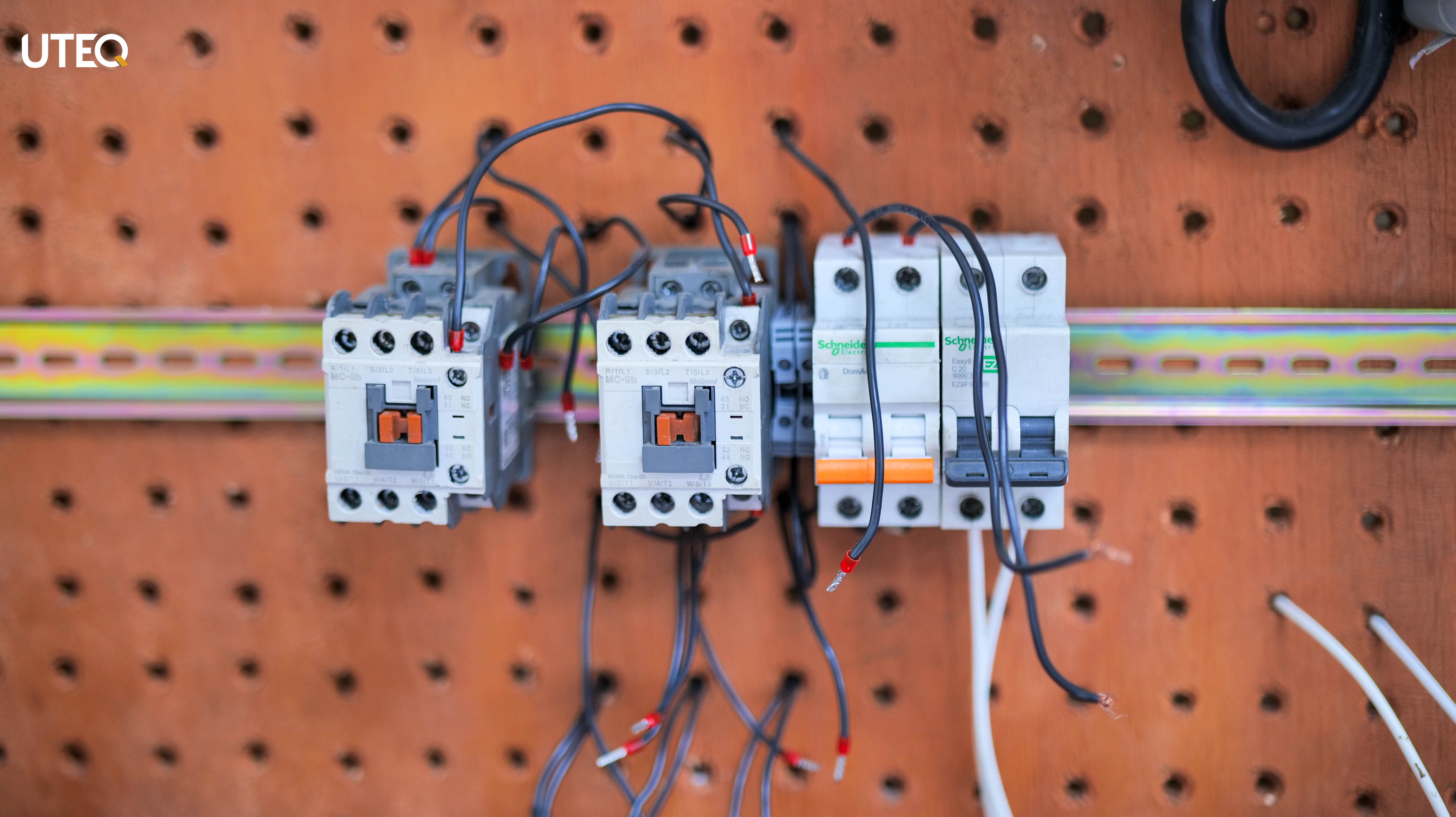
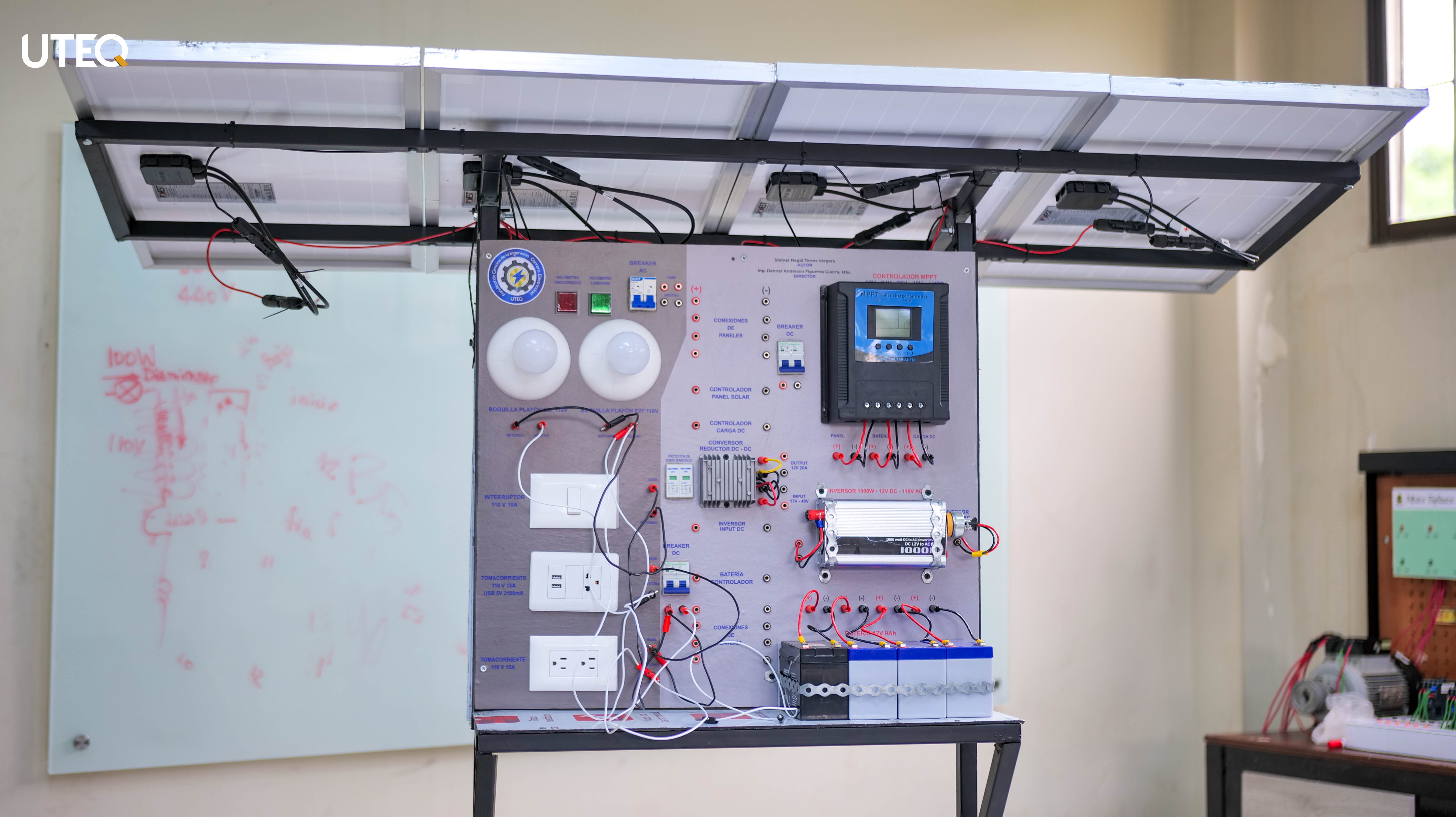
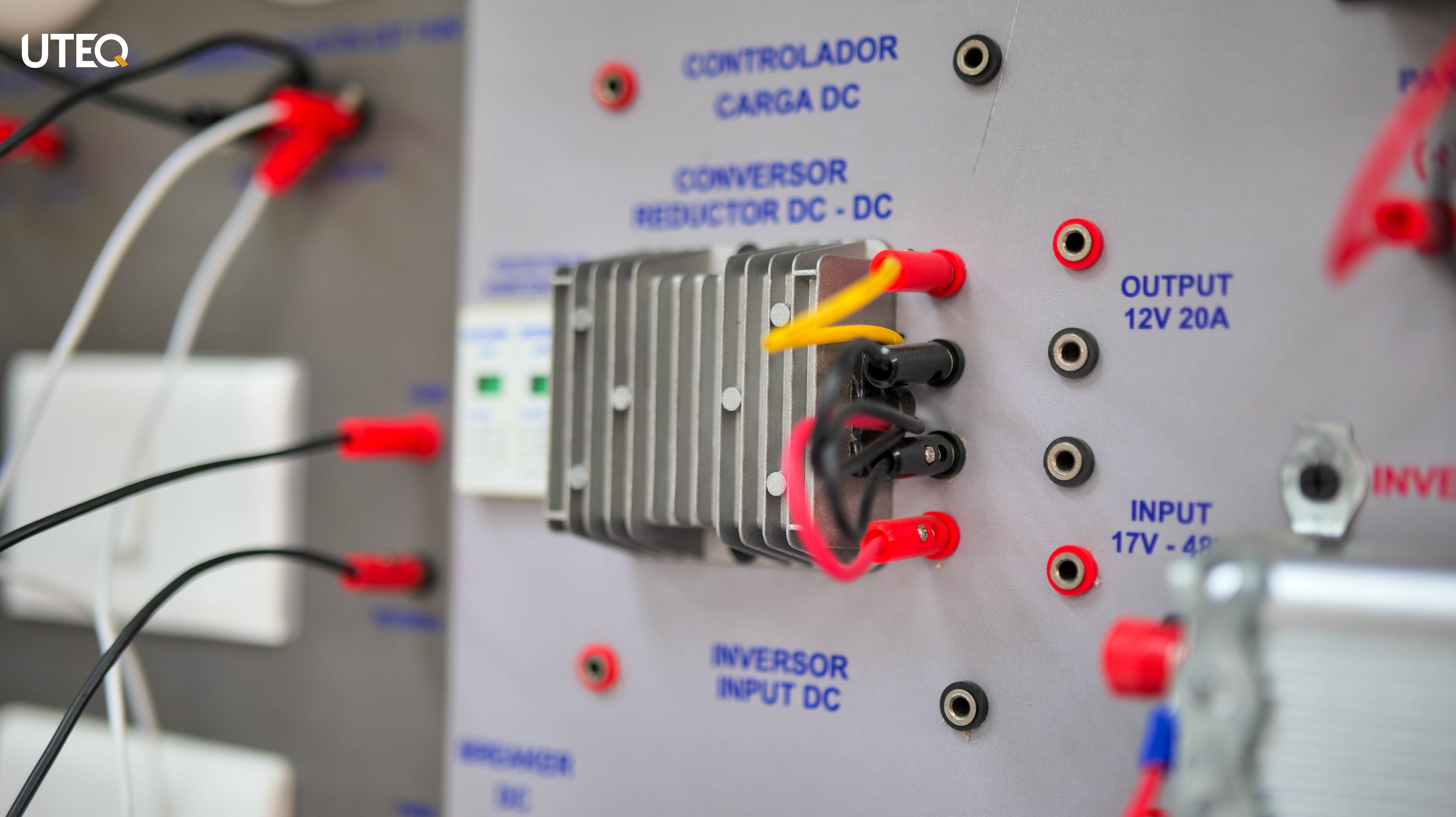
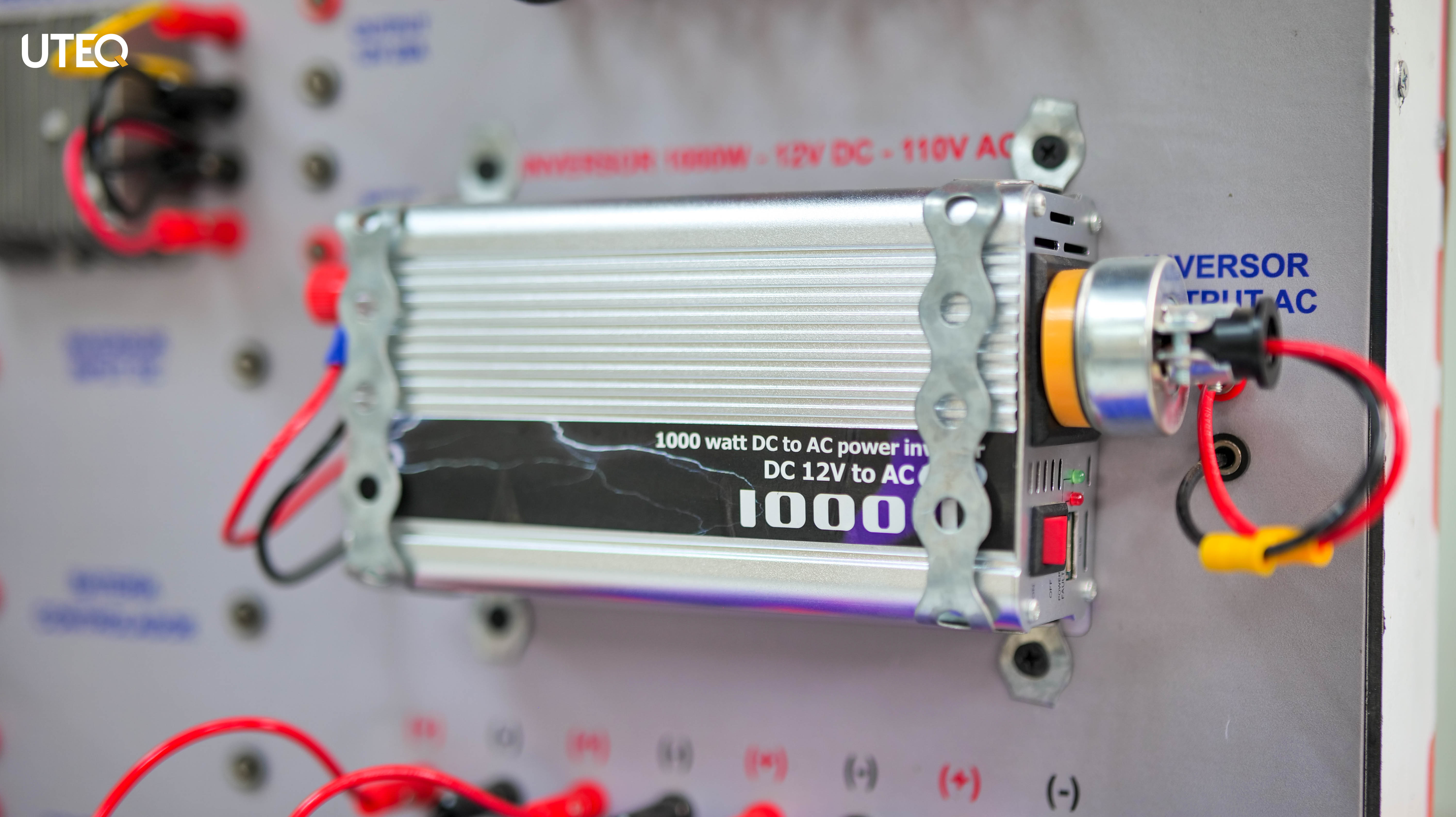
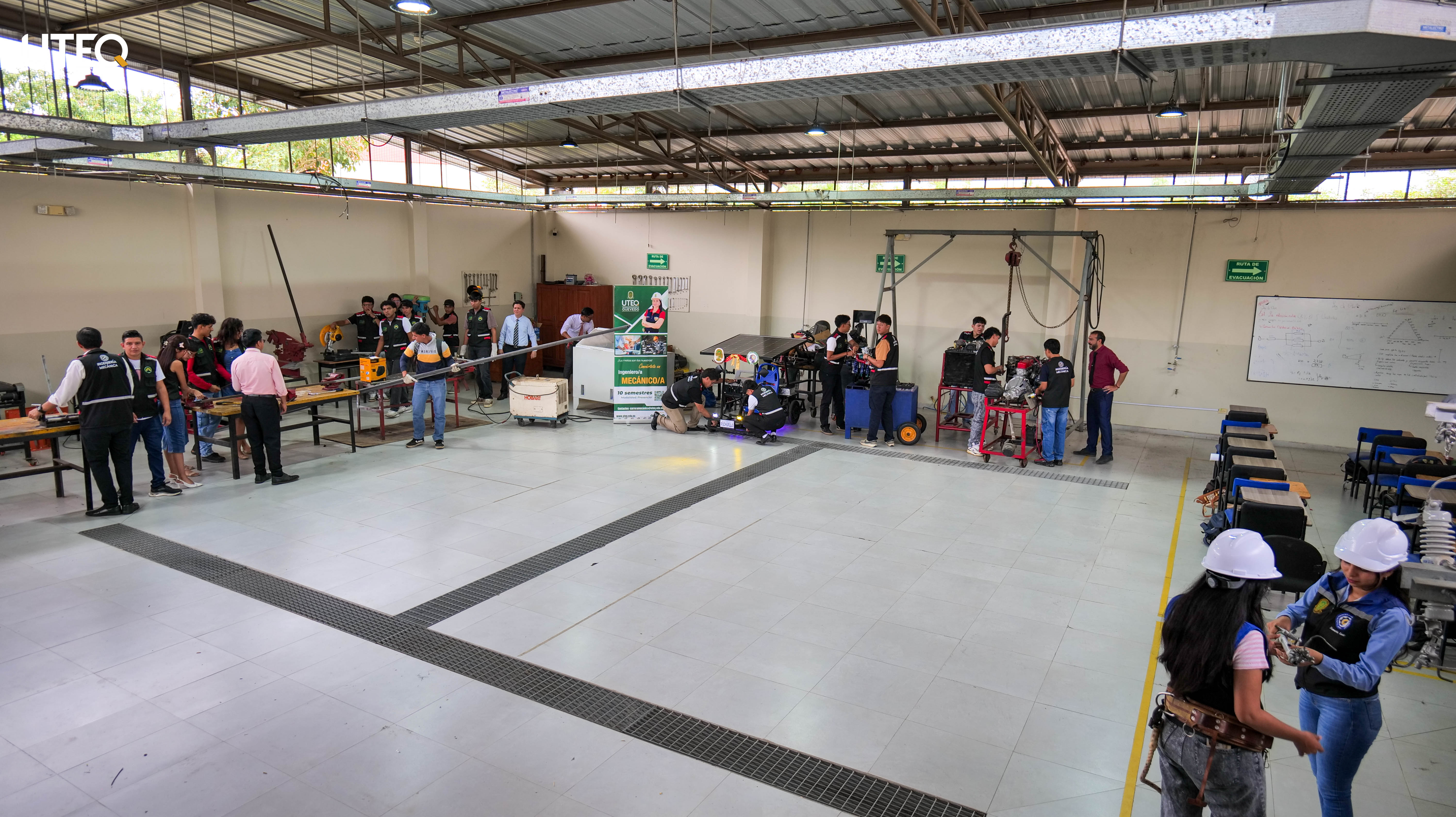
  • Electrical machines and automation operations
Laboratory activities
EntomologyEntomologyEntomologyEntomologyEntomologyEntomology
Capacity10 students
LocationLa María Campus
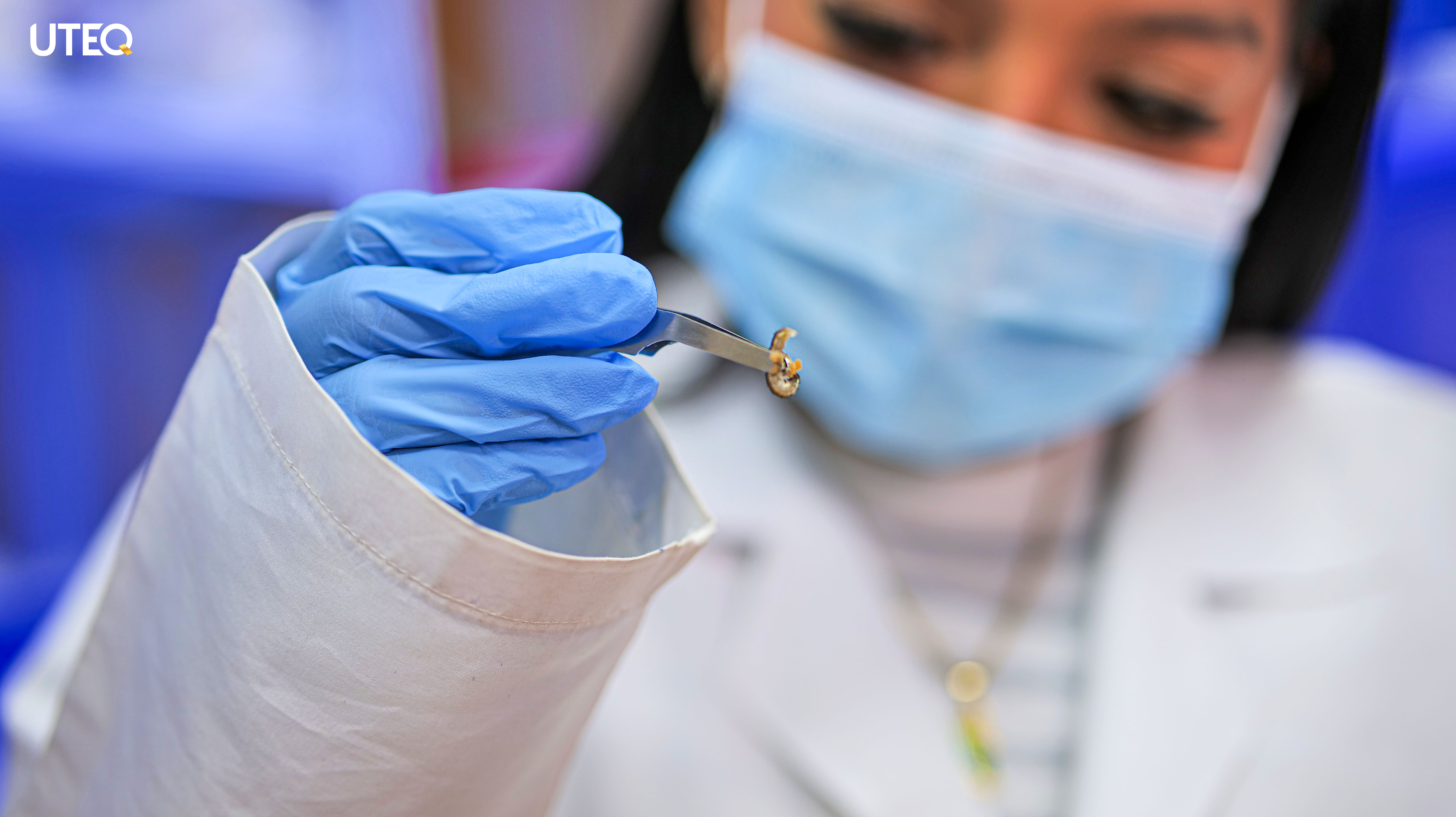
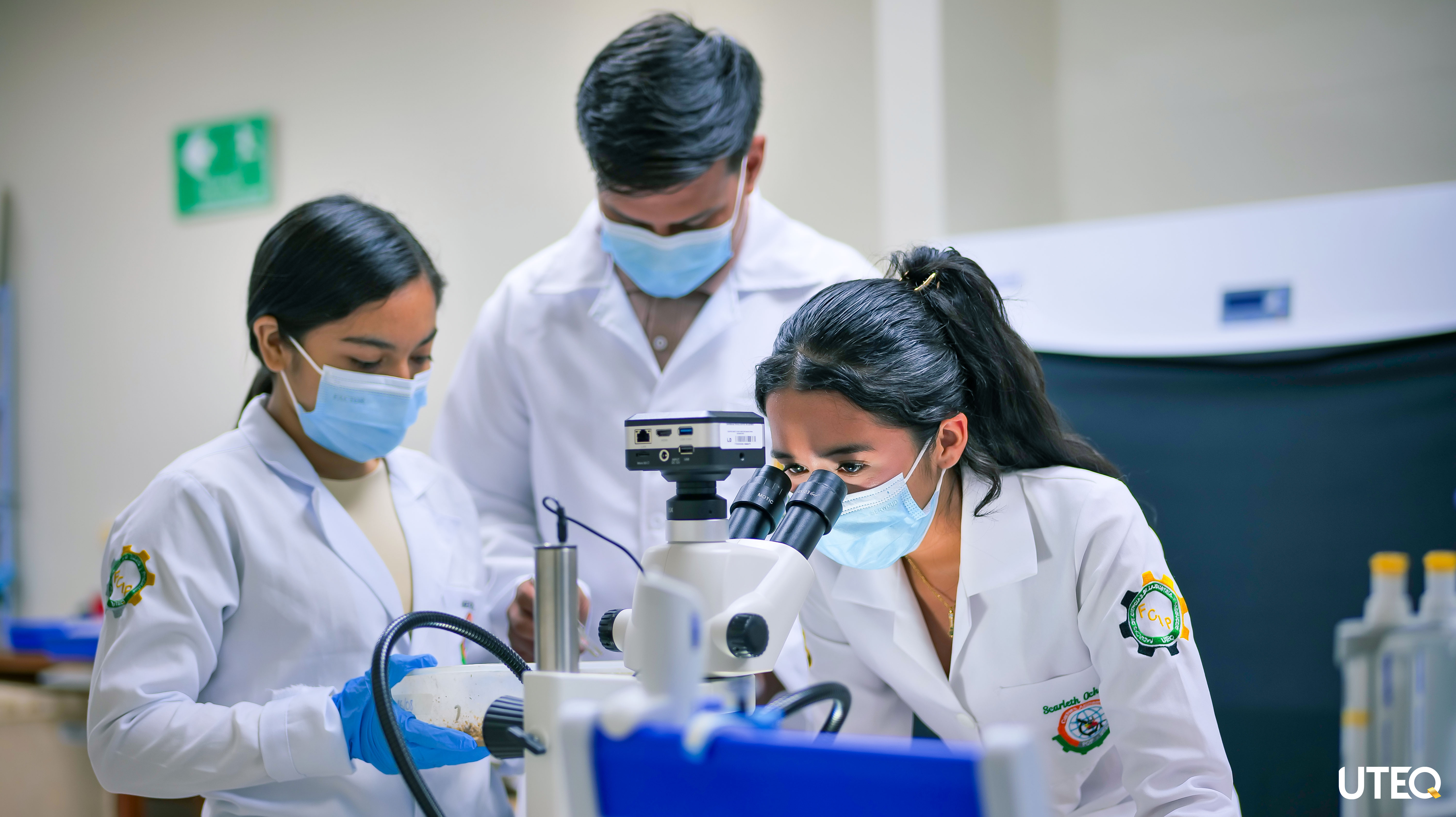
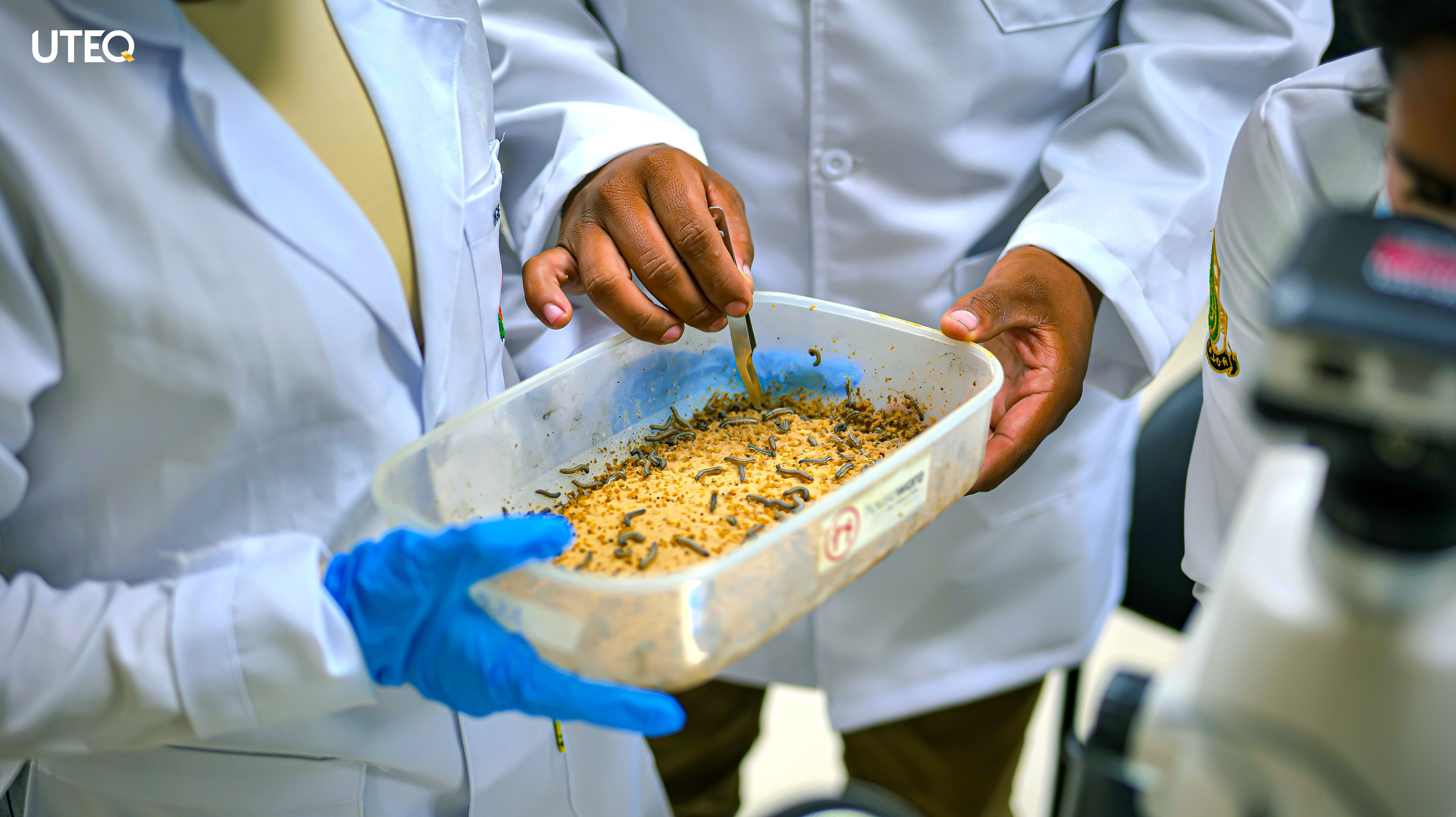
The Entomology Laboratory is a specialized scientific research facility dedicated to the study of insect pests of agricultural importance and the development of strategies for their sustainable management.
Equipment

Trinocular stereomicroscope with high-resolution camera

Incubator

Laminar flow cabinet

High-resolution analytical balance

Centrifuge

Thermal cycler

High-precision micropipette sets

Electronic repeating micropipette

Two-way and six-way olfactometers

Gallery

Activities carried out

  • Bioassays of insect resistance to insecticides
  • Bioassays of chemical ecology and insect behavior
  • Bioassays for biological control of insect pests
Laboratory activities
Nursing SimulationNursing SimulationNursing SimulationNursing SimulationNursing SimulationNursing SimulationNursing SimulationNursing SimulationNursing SimulationNursing SimulationNursing SimulationNursing SimulationNursing SimulationNursing SimulationNursing Simulation
Capacity10 students
LocationCentral Campus
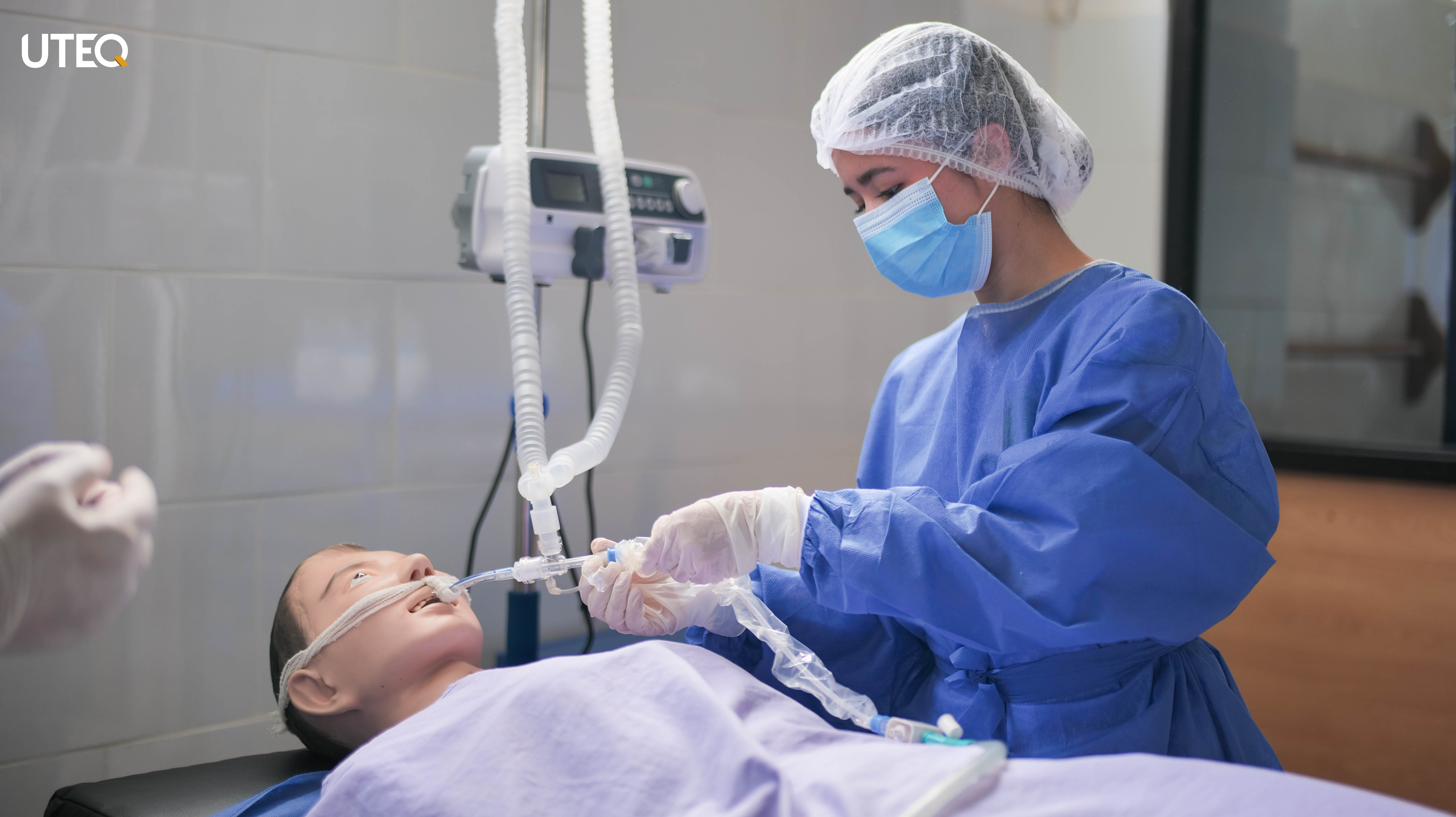
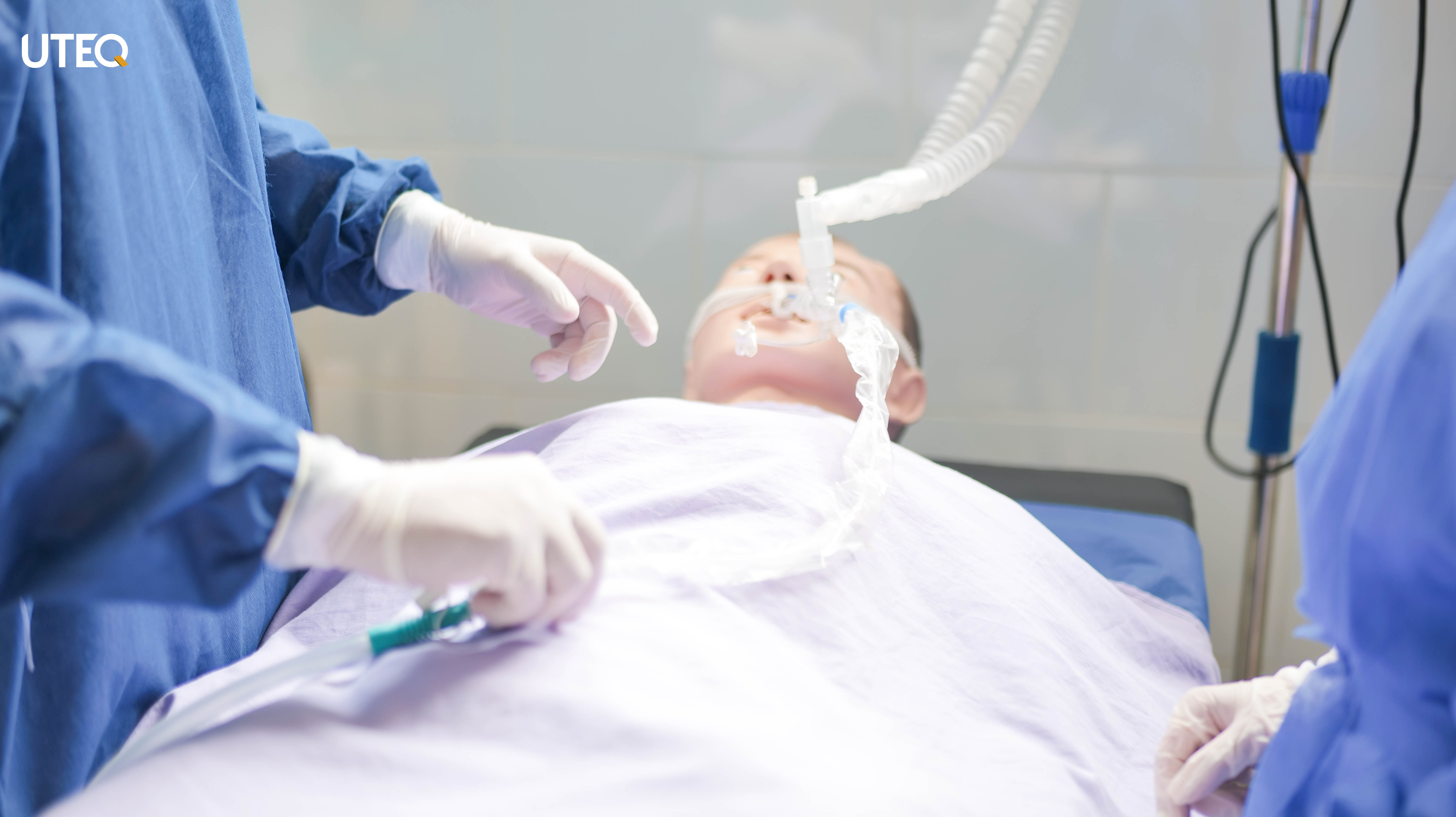
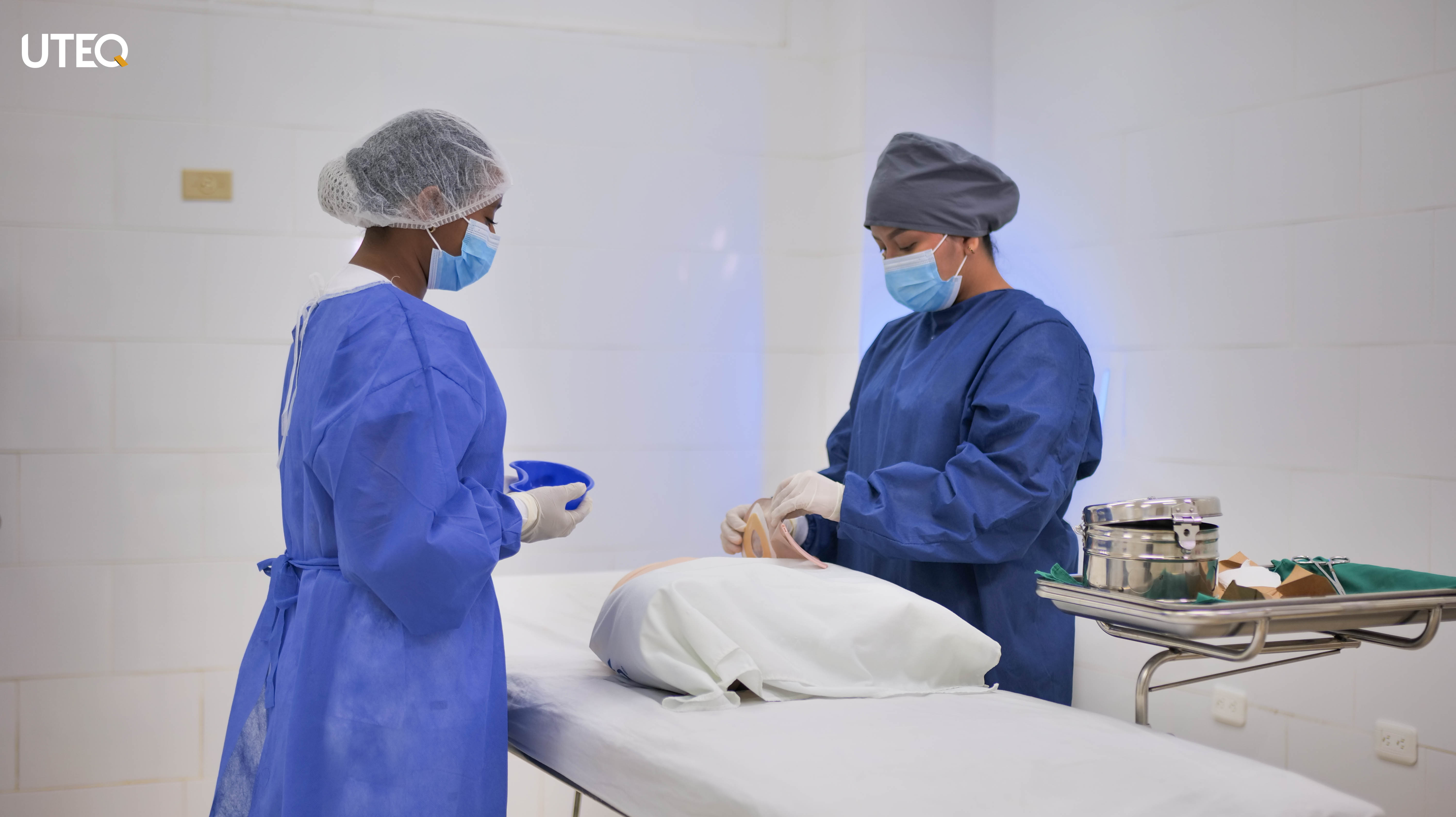
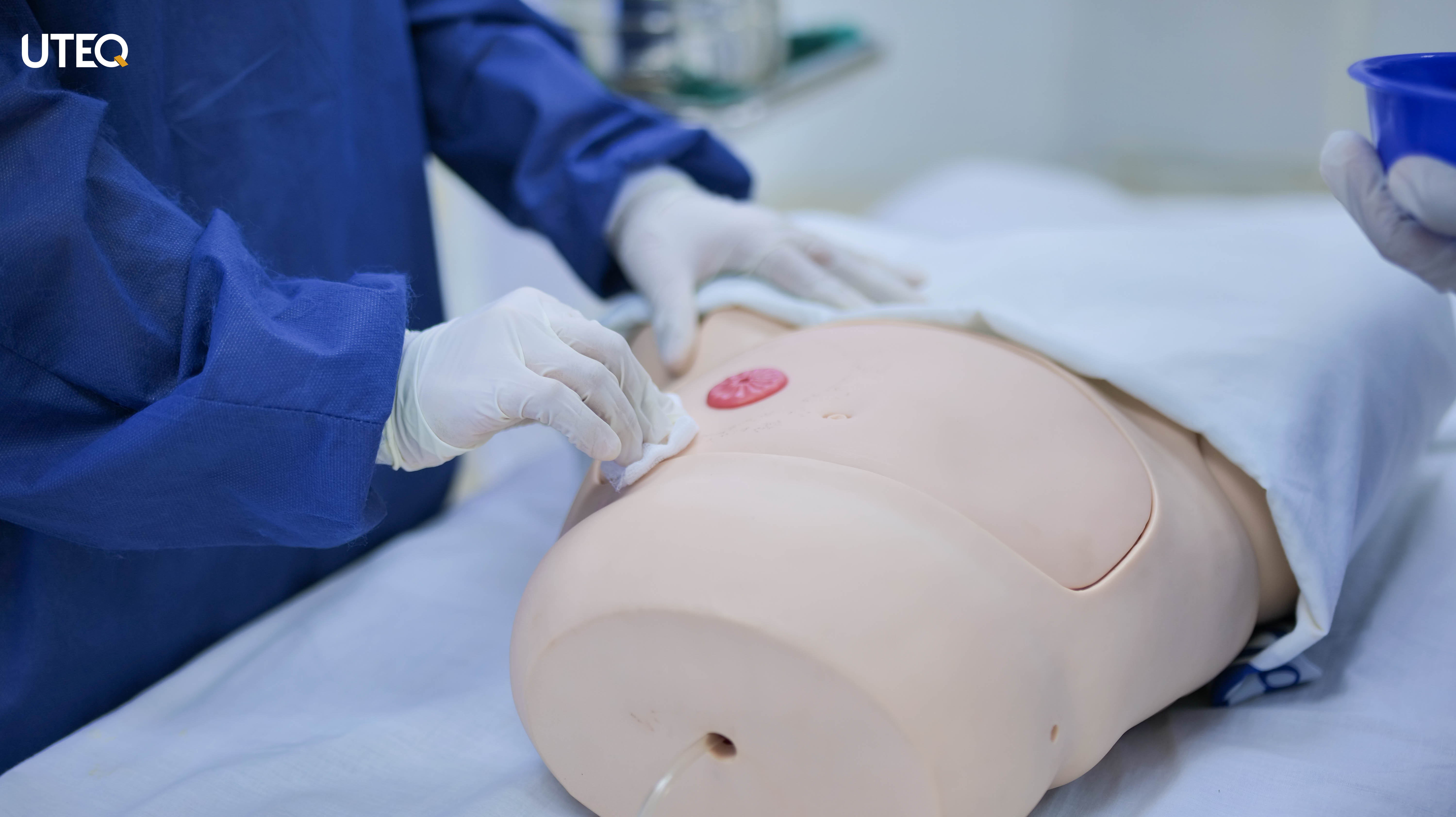
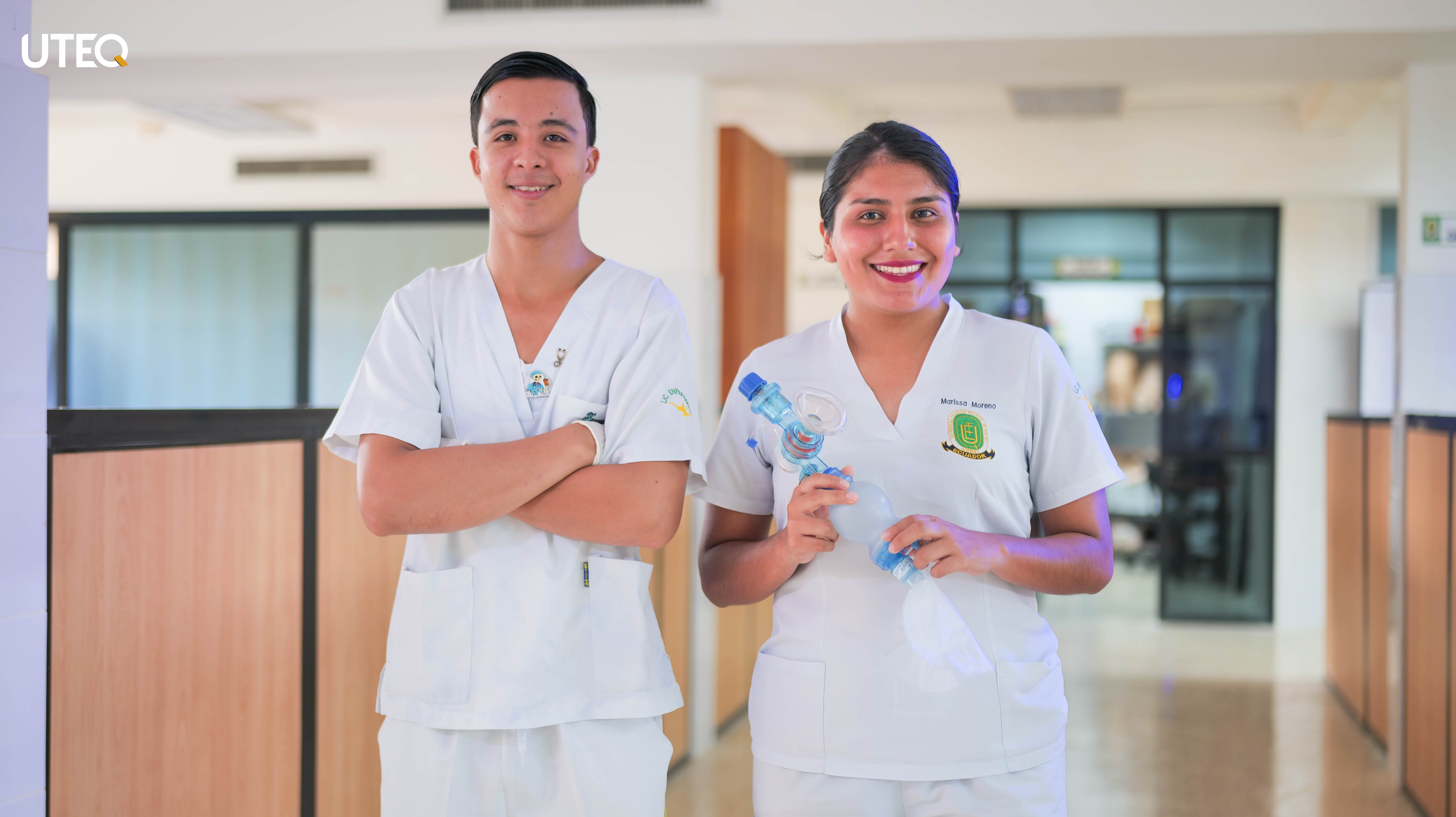
A clinical simulation space designed for the practical training of nursing students. It features high- and medium-fidelity simulators, training manikins, anatomical models, and clinical instruments that allow for the replication of real-world healthcare scenarios in a safe, controlled environment, thereby strengthening the development of procedural skills and competencies prior to working with patients.

Equipment

Electronic pregnant woman simulator with neonatal resuscitation mannequin and neonate with placenta

Childbirth training simulator

Gynecological training simulator

Male nursing training mannequin

Advanced trauma simulator

3-year-old child nursing training simulator

Advanced newborn nursing simulator

Advanced newborn care models

Adult, child and infant CPR training simulators

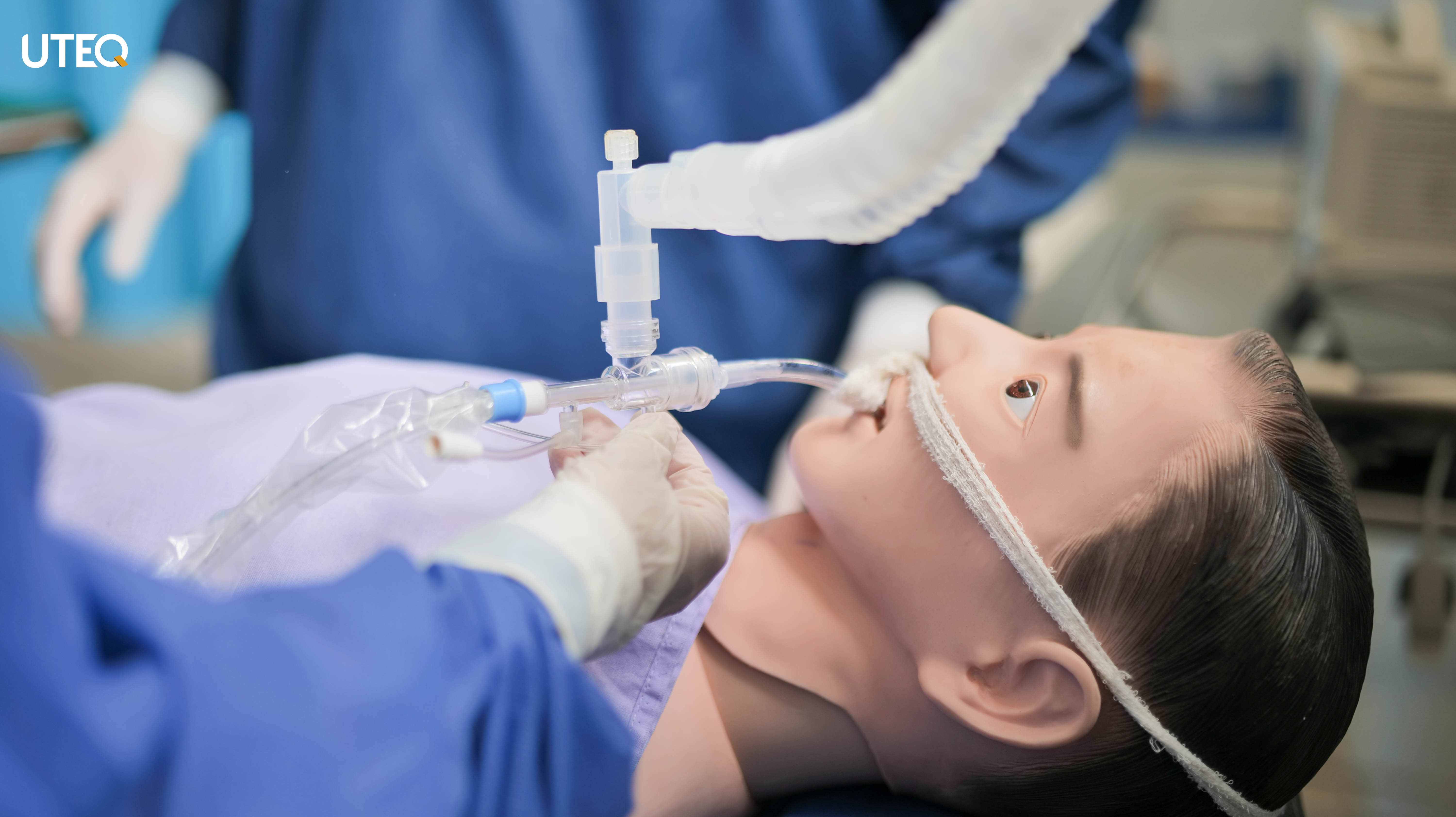
Tracheal intubation simulator

Advanced female and male urethral catheterization models

Electronic intramuscular injection model

Injectable arm and multifunctional IV arm models (adult and child)

Suture and surgical dressing models (arm and leg)

Breast examination model

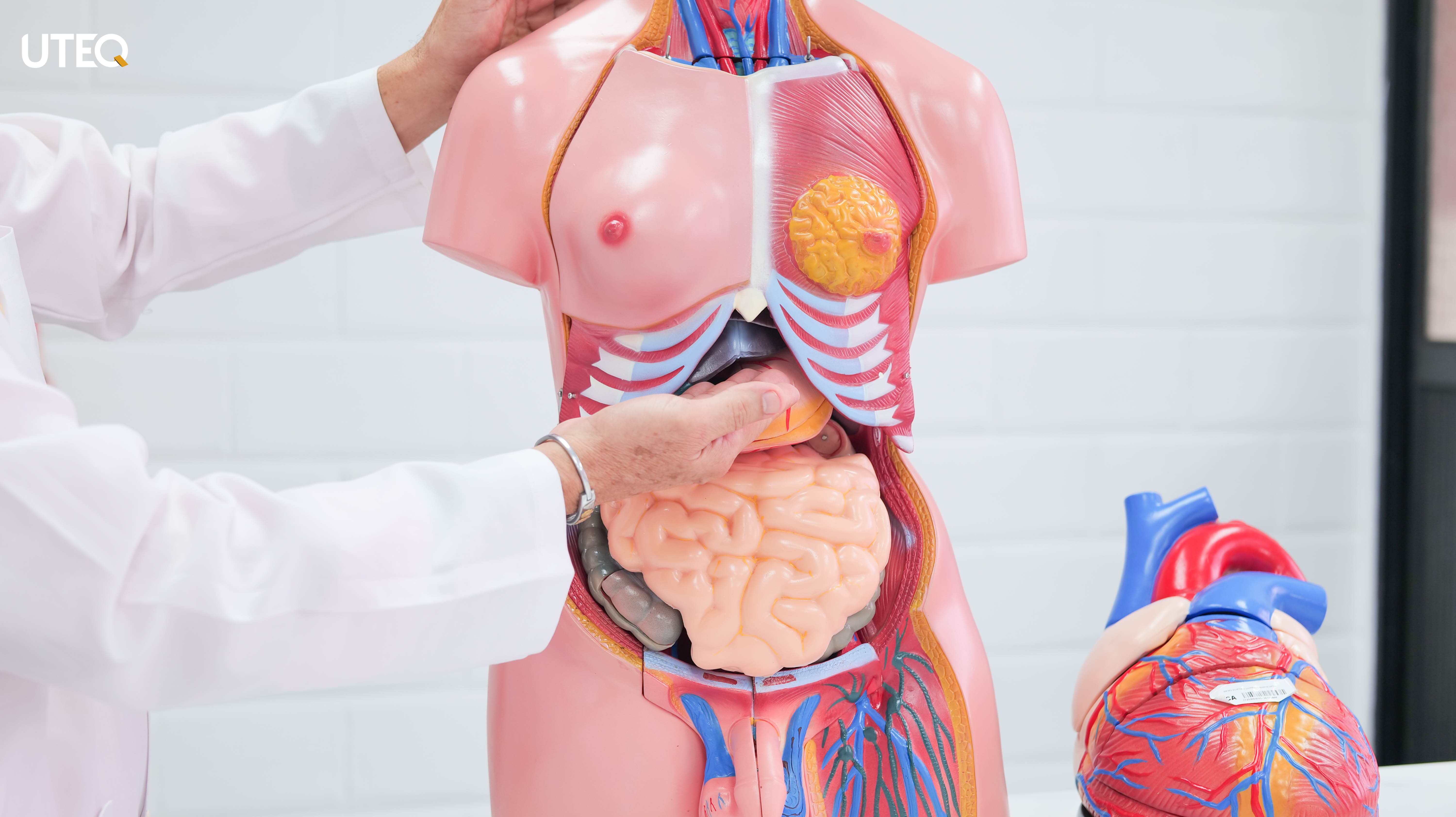
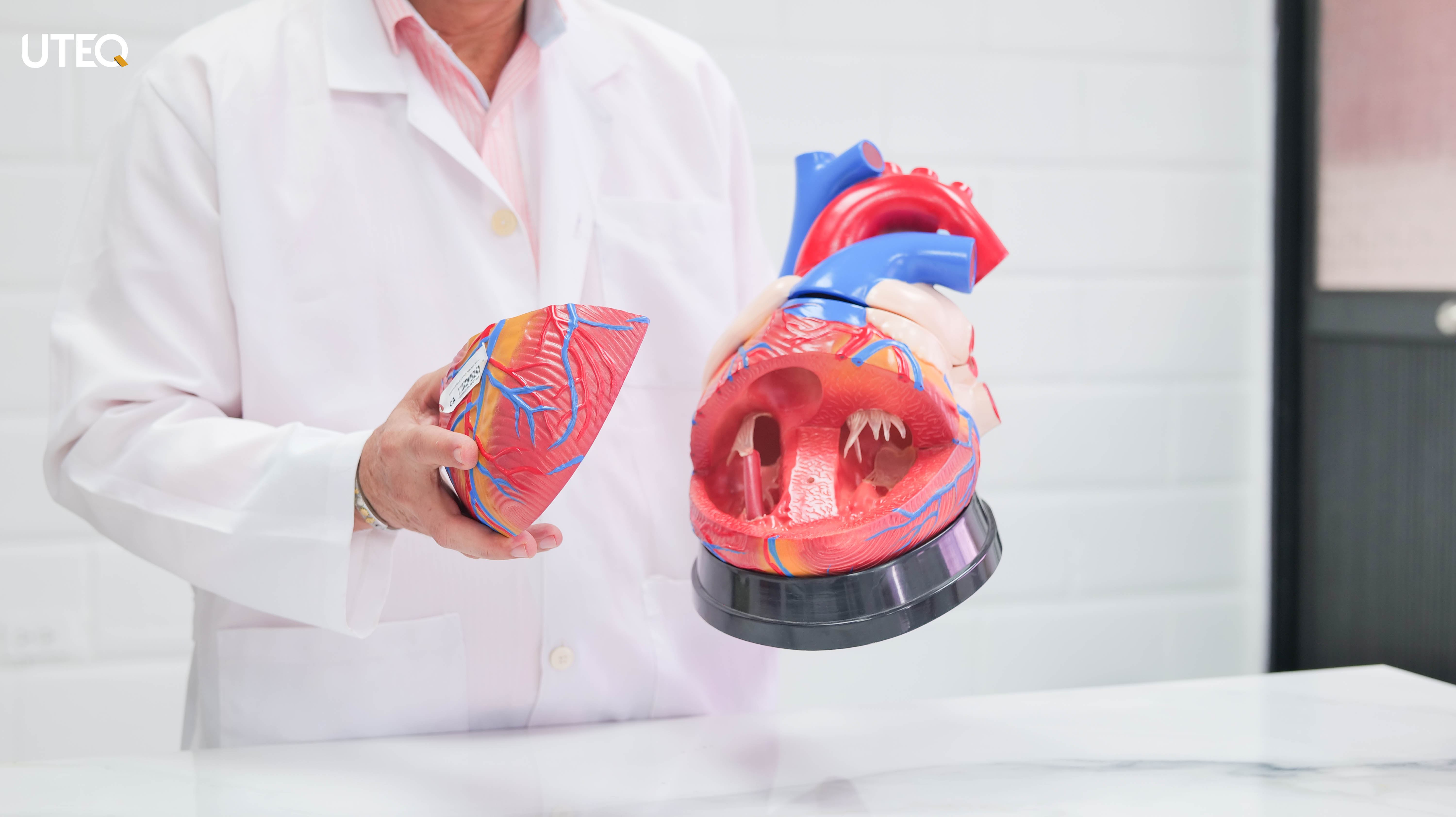
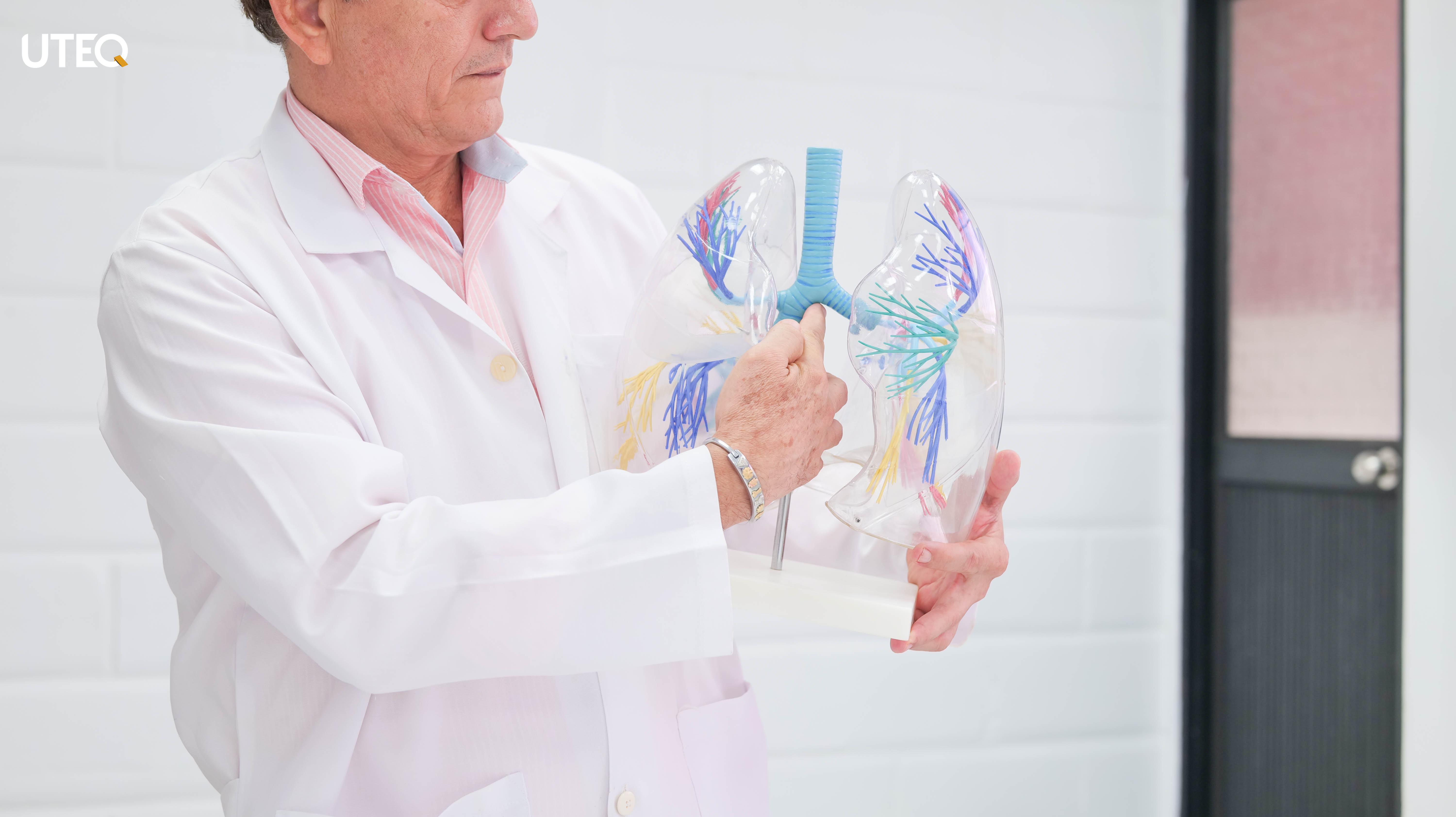
Anatomical models: skeletons, bisexual torso, skull, head, neck, heart, brain, eye, ear, skin, nasal cavity, lungs, digestive, circulatory, nervous, urinary, muscular and urogenital systems, and embryonic development

Diagnostic set

Pulse oximeters

Digital infrared thermometers and thermometer

Glucometers

Stadiometer

Surgical forceps

Oxygen regulators for tank

Sterilization drums

Steel swab containers

Scalpel handles, tissue scissors and bone files

IV stands

Gooseneck lamp

Riester flashlights

First aid kits

Gallery

Activities carried out

  • Clinical simulation of nursing care scenarios
  • Basic cardiopulmonary resuscitation (CPR) in adults, children and infants
  • Childbirth care, maternal and newborn care
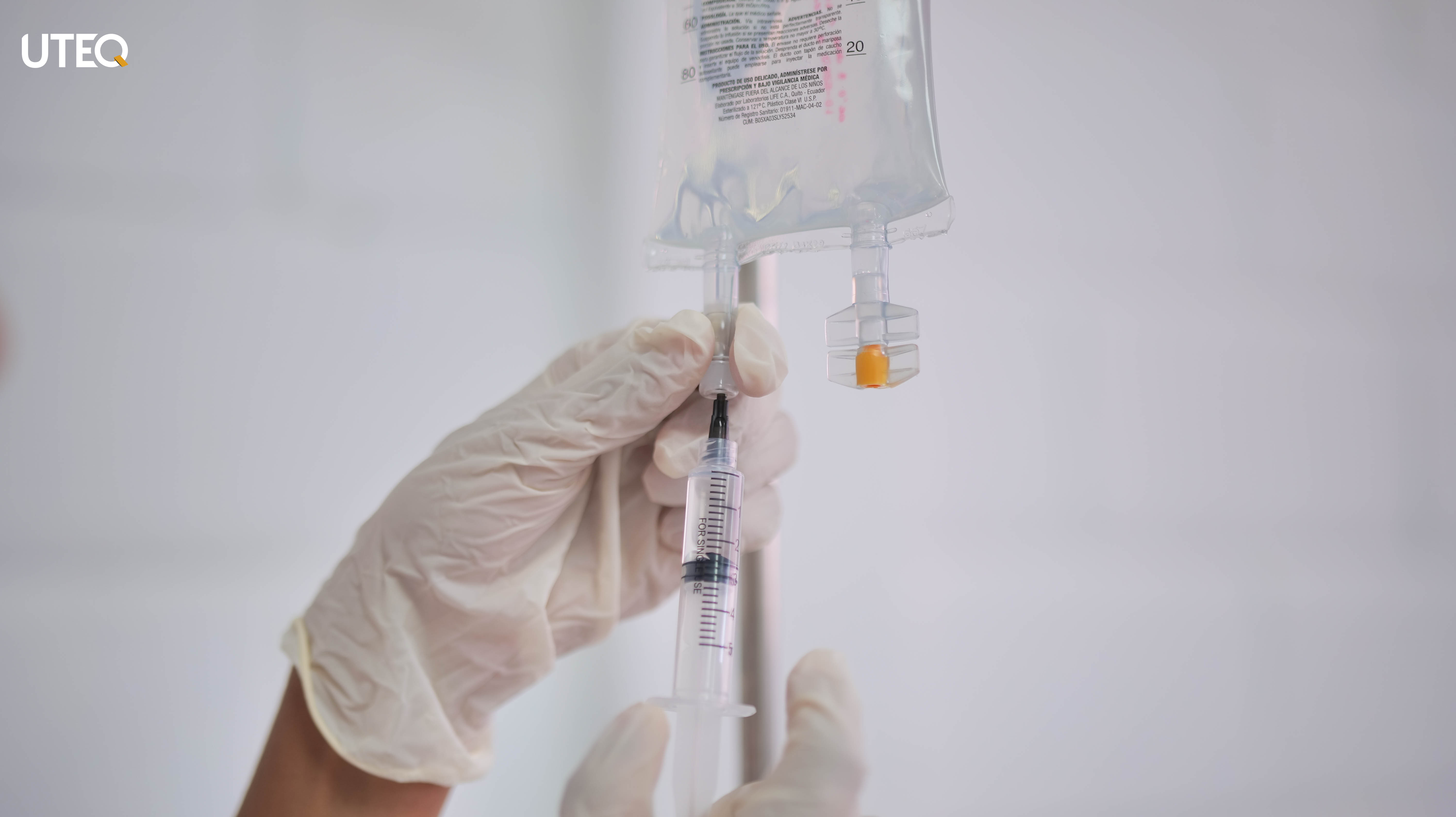
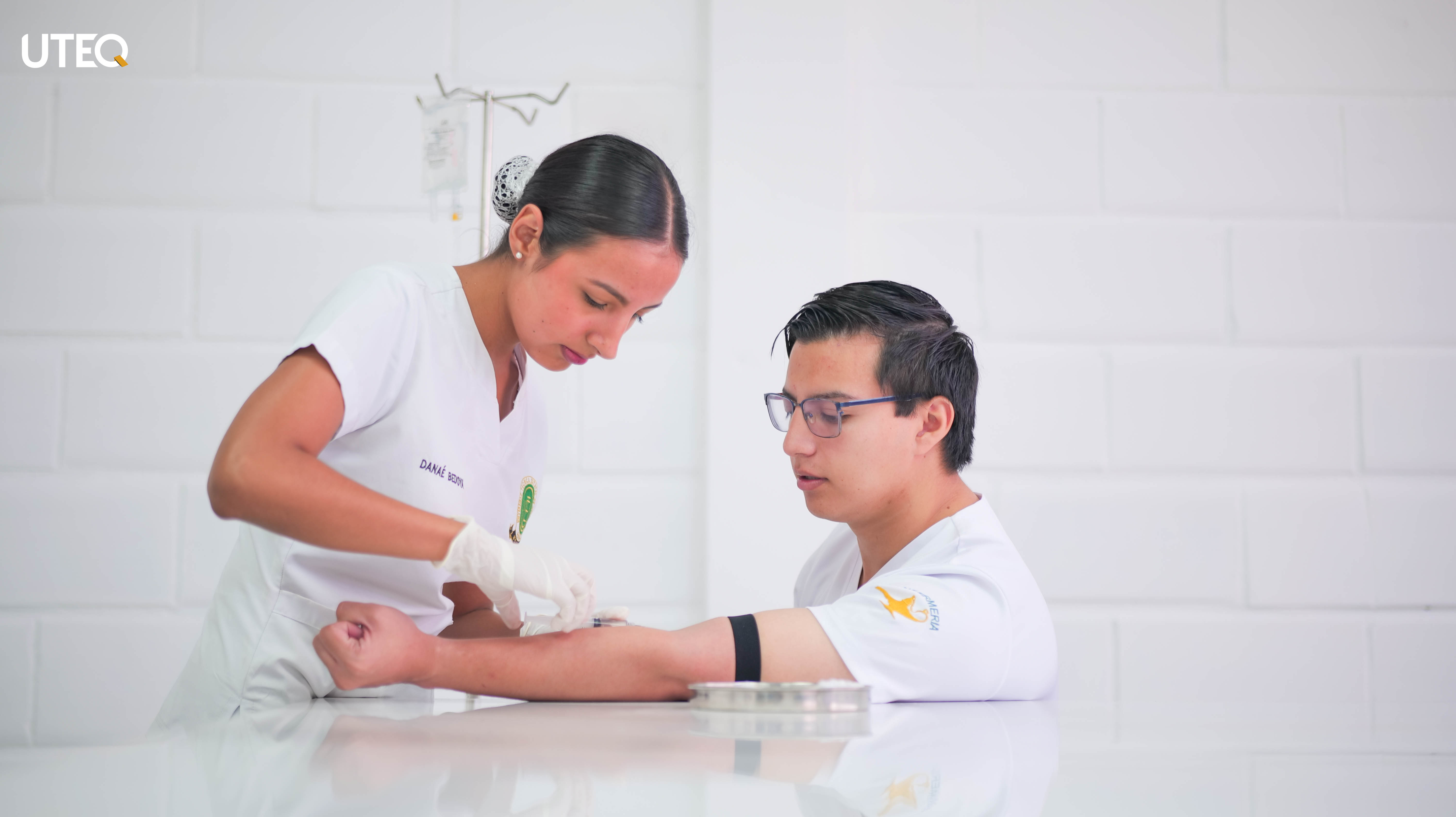
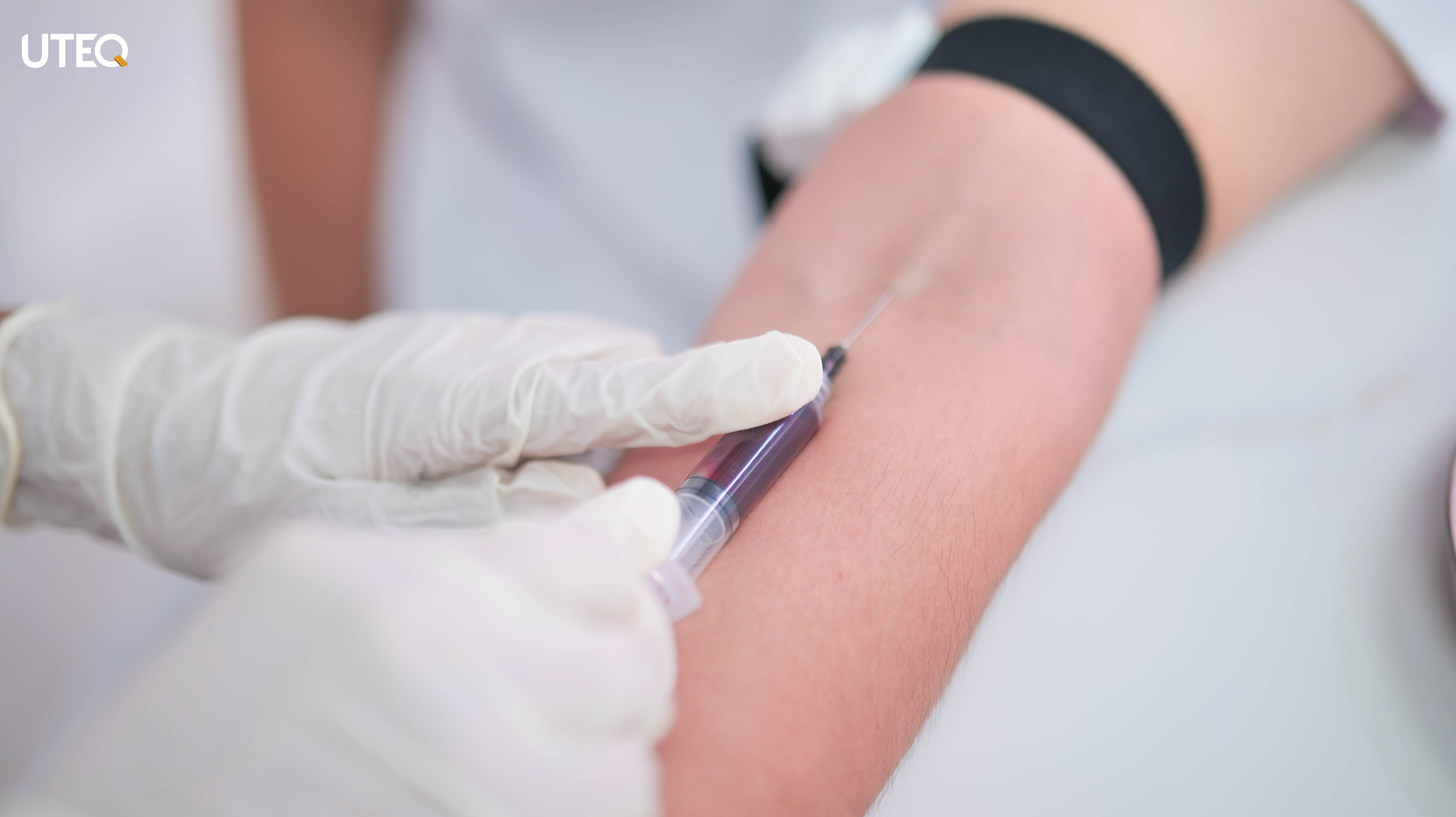
  • Medication administration: intramuscular and intravenous routes and peripheral venous access
  • Female and male urinary catheterization
  • Airway management and intubation
  • Suturing, wound care and dressing techniques
  • Assessment and monitoring of vital signs, oximetry and capillary blood glucose
  • Anthropometric measurements (height)
  • Physical examination and breast examination
  • Initial care of the polytrauma patient
  • Oxygen therapy
  • Study of human anatomy and physiology using anatomical models
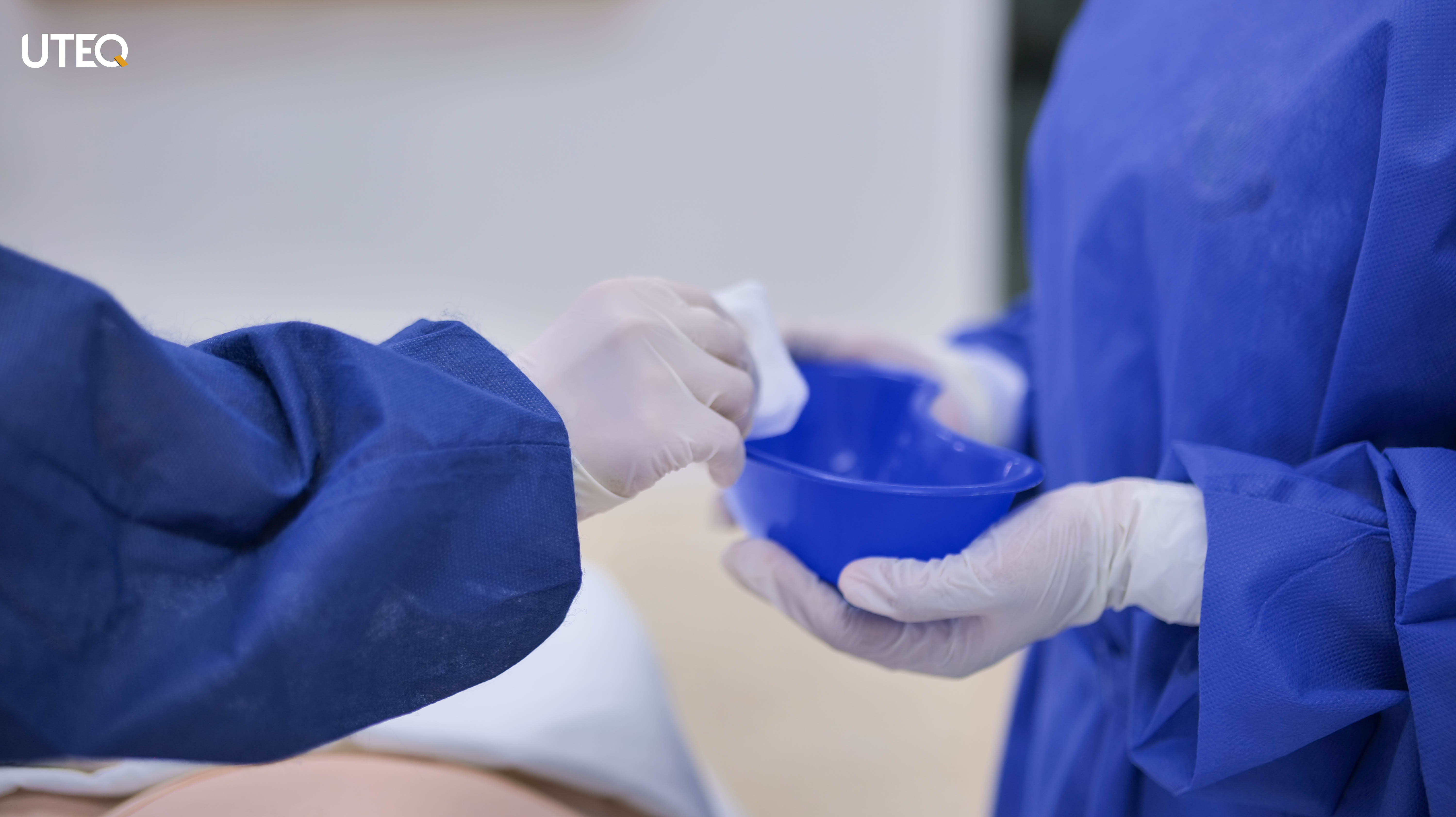
  • Aseptic, antiseptic and material sterilization techniques
Laboratory activities
Biochemistry – Microbiology and ParasitologyBiochemistry – Microbiology and ParasitologyBiochemistry – Microbiology and ParasitologyBiochemistry – Microbiology and ParasitologyBiochemistry – Microbiology and ParasitologyBiochemistry – Microbiology and ParasitologyBiochemistry – Microbiology and ParasitologyBiochemistry – Microbiology and ParasitologyBiochemistry – Microbiology and ParasitologyBiochemistry – Microbiology and ParasitologyBiochemistry – Microbiology and ParasitologyBiochemistry – Microbiology and ParasitologyBiochemistry – Microbiology and ParasitologyBiochemistry – Microbiology and ParasitologyBiochemistry – Microbiology and ParasitologyBiochemistry – Microbiology and ParasitologyBiochemistry – Microbiology and ParasitologyBiochemistry – Microbiology and ParasitologyBiochemistry – Microbiology and ParasitologyBiochemistry – Microbiology and ParasitologyBiochemistry – Microbiology and ParasitologyBiochemistry – Microbiology and ParasitologyBiochemistry – Microbiology and Parasitology
Capacity10 students
LocationCentral Campus
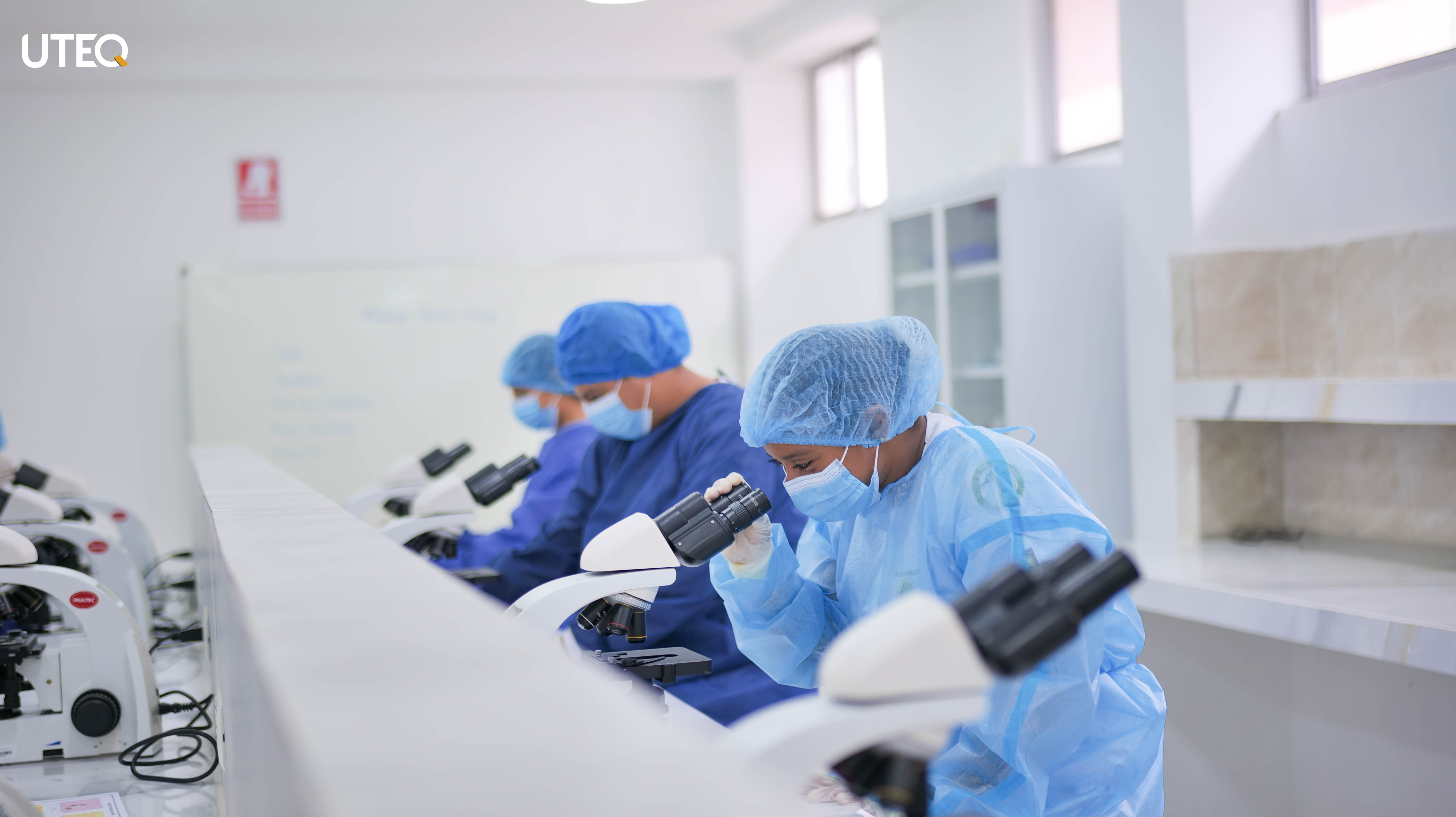
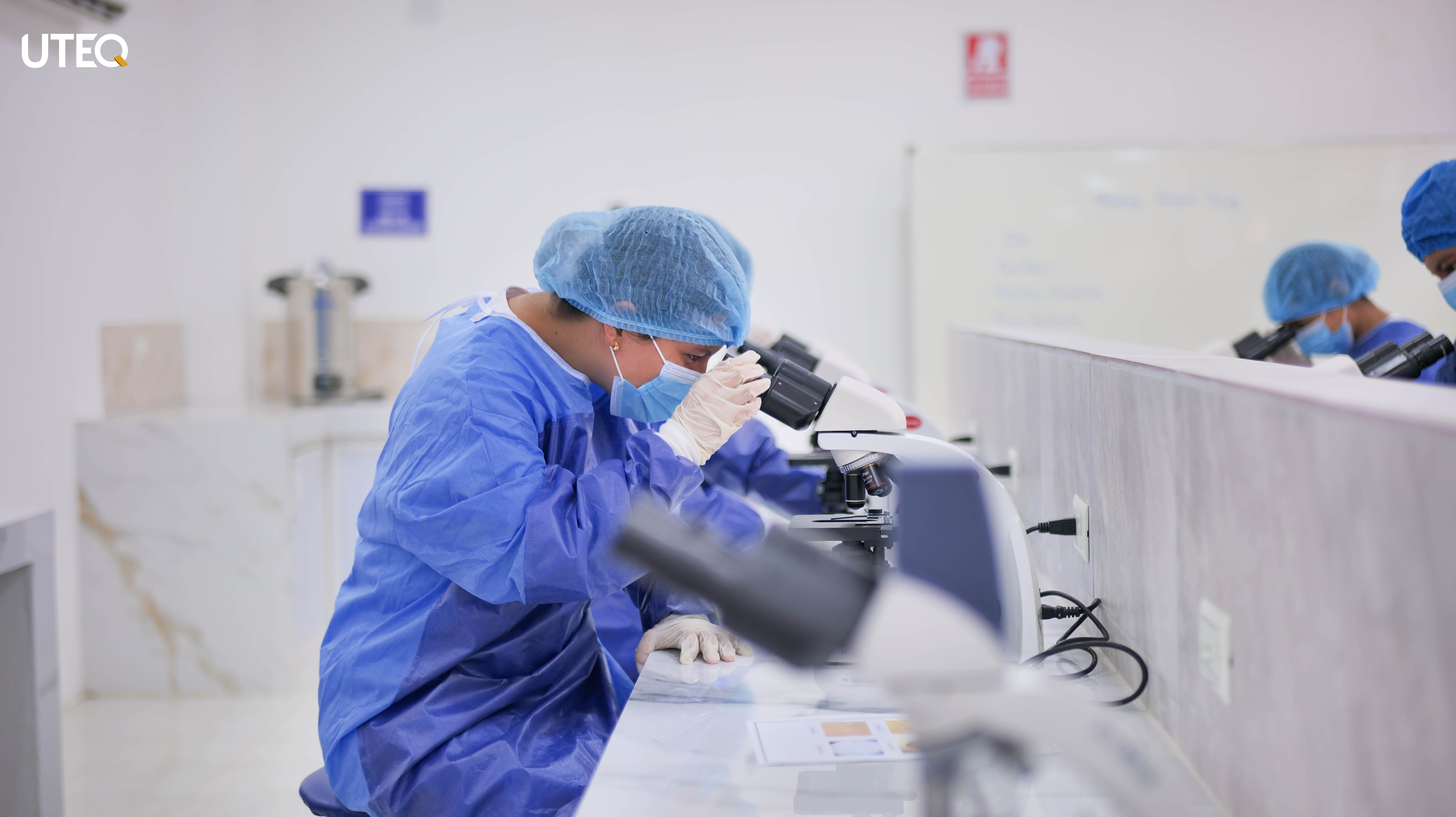
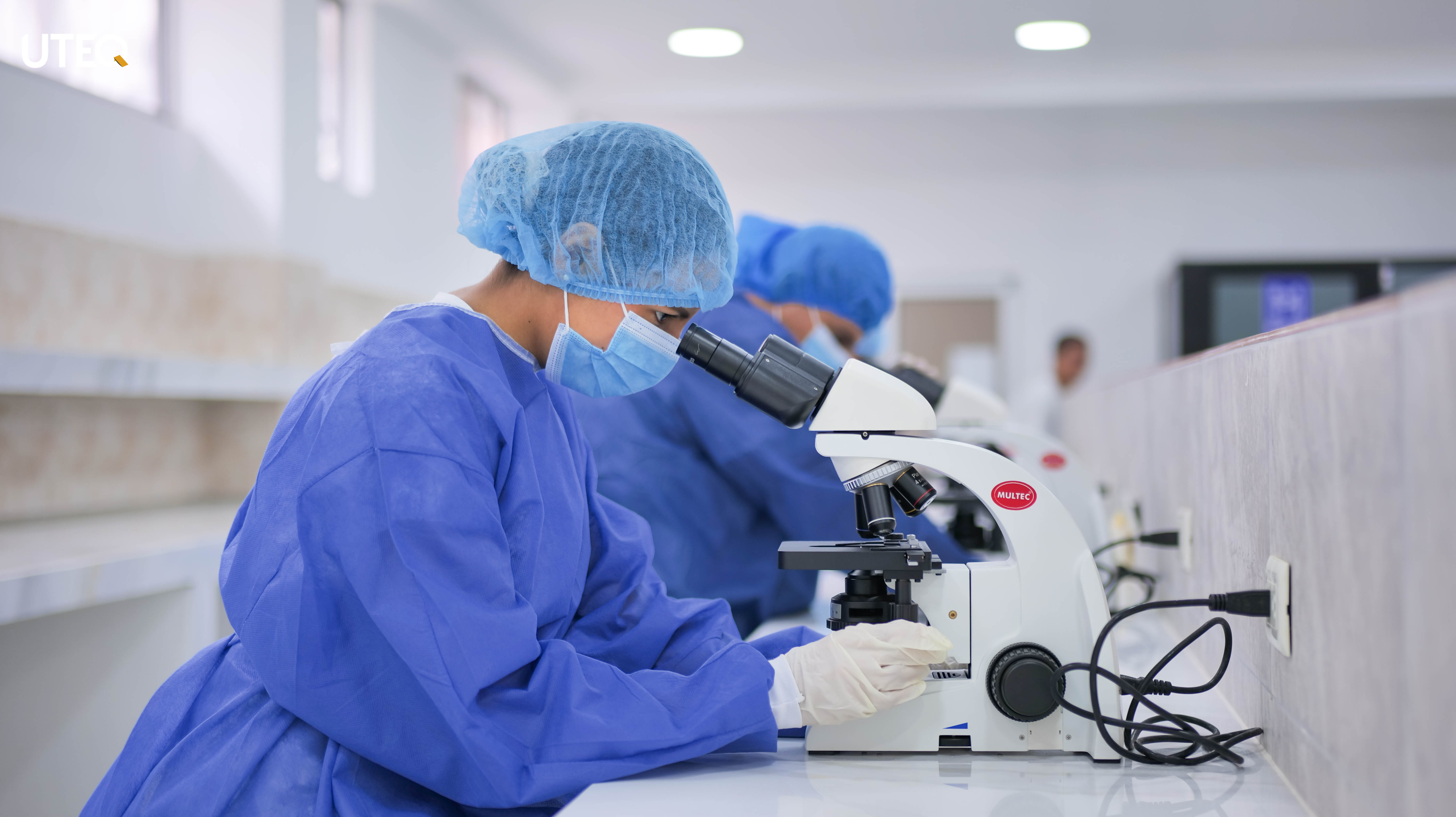
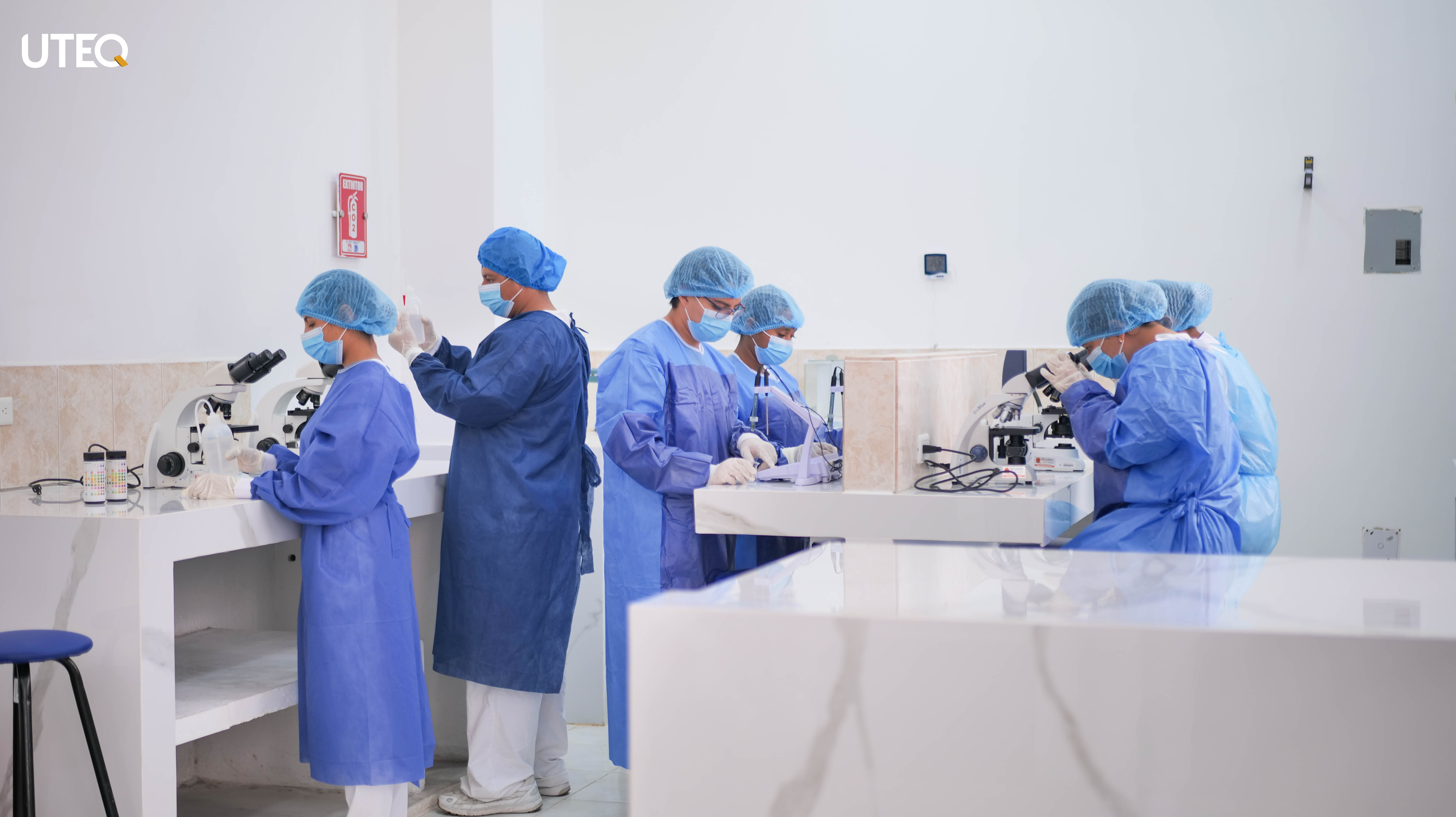
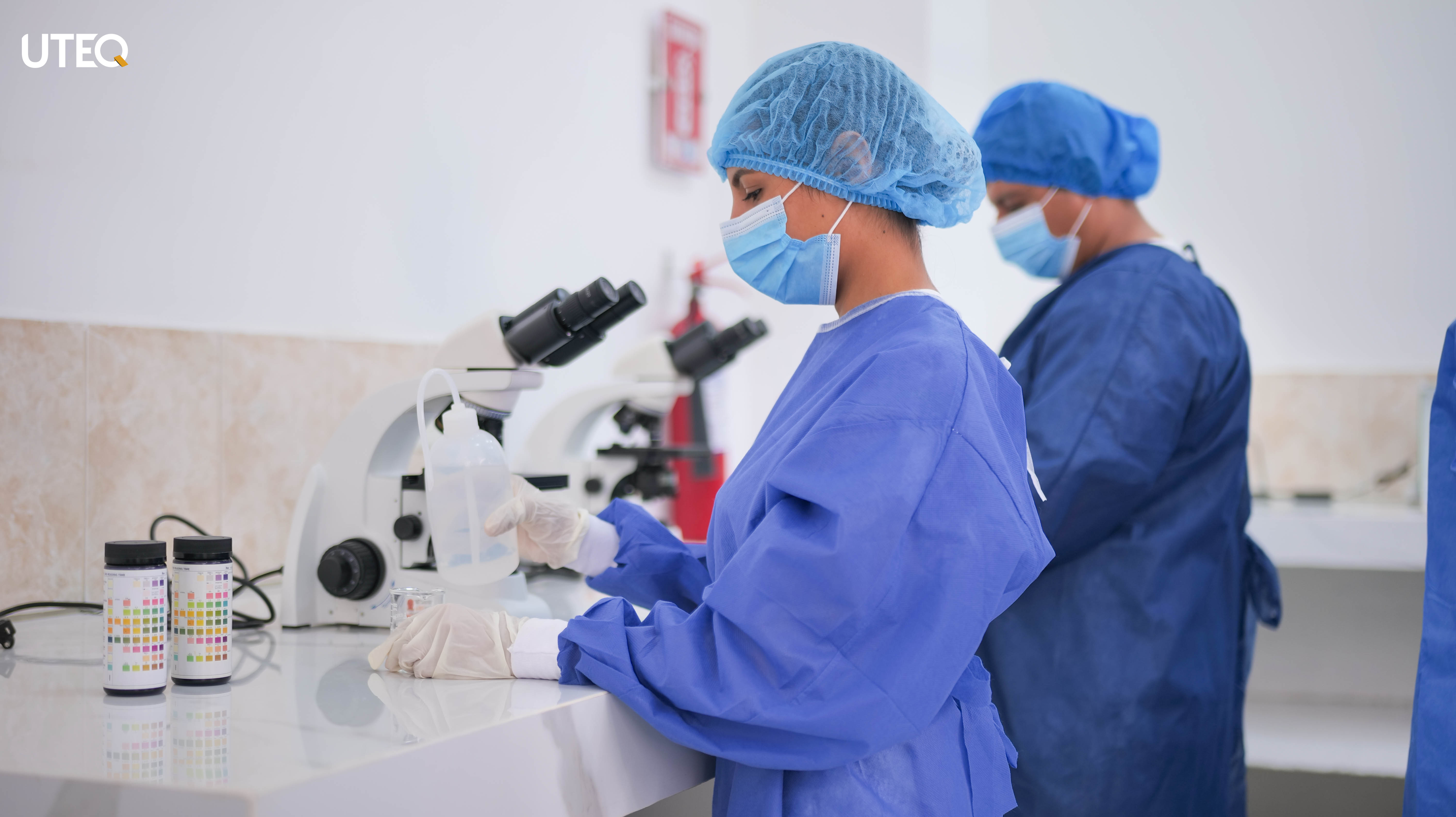
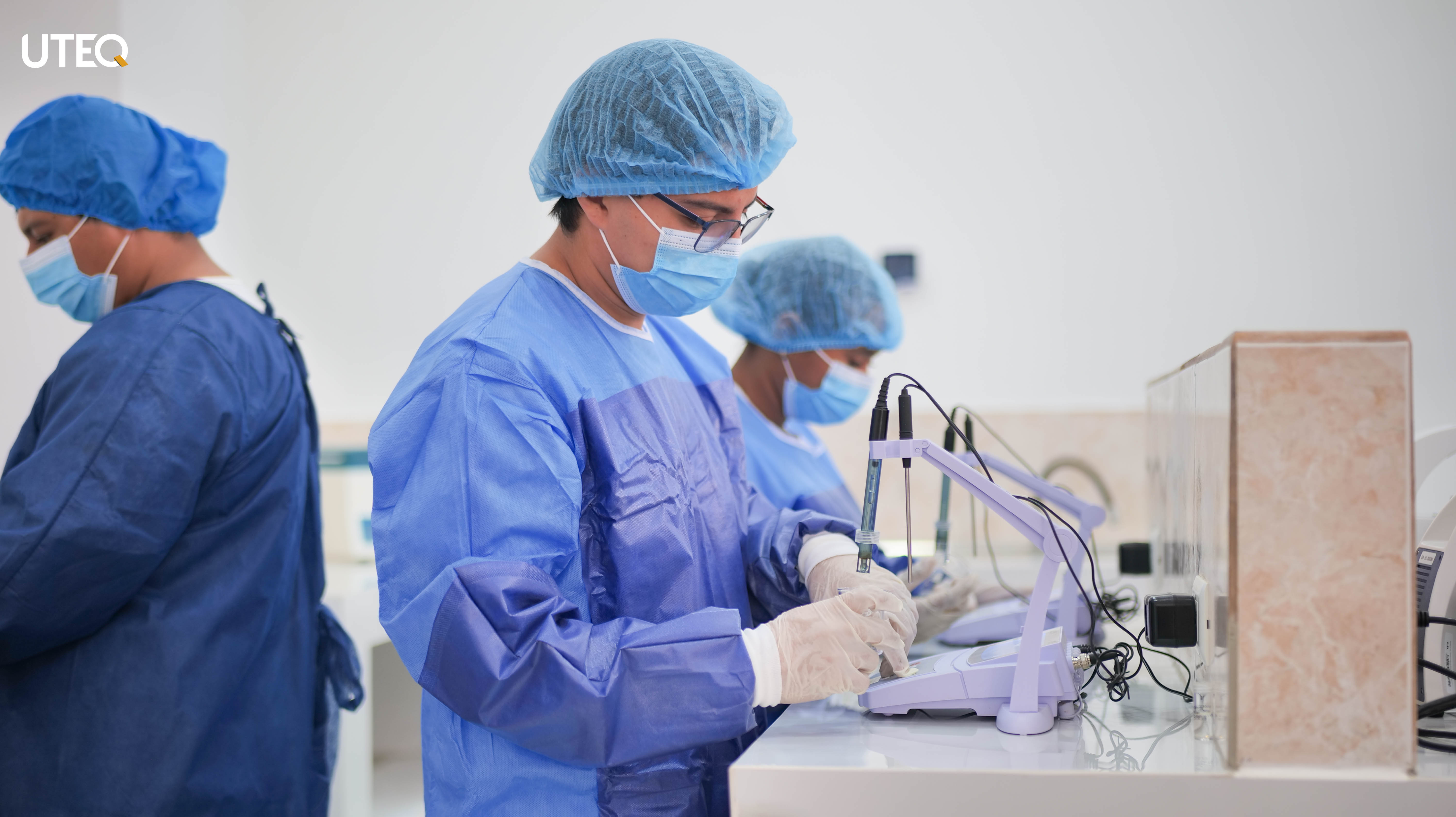
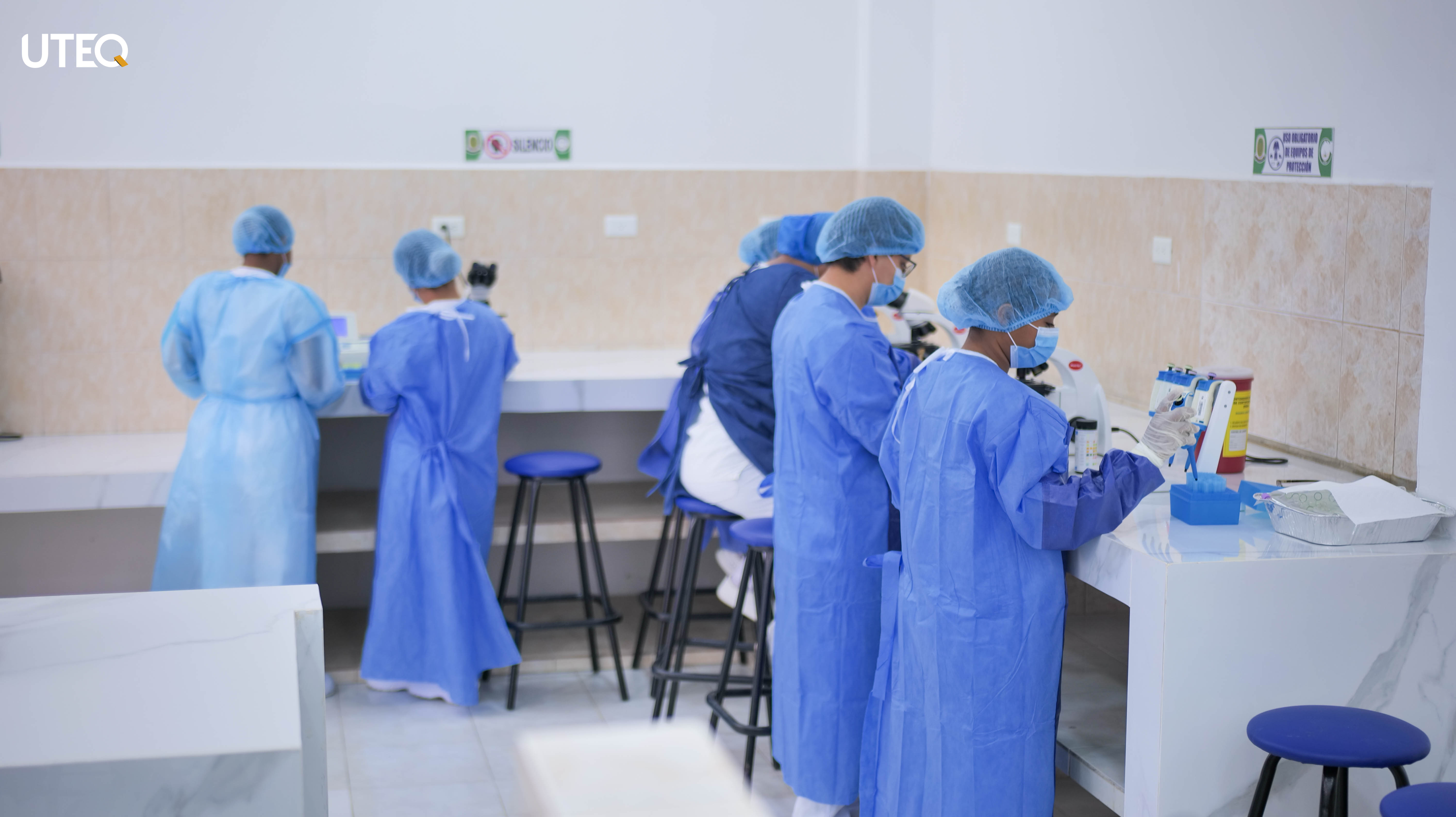
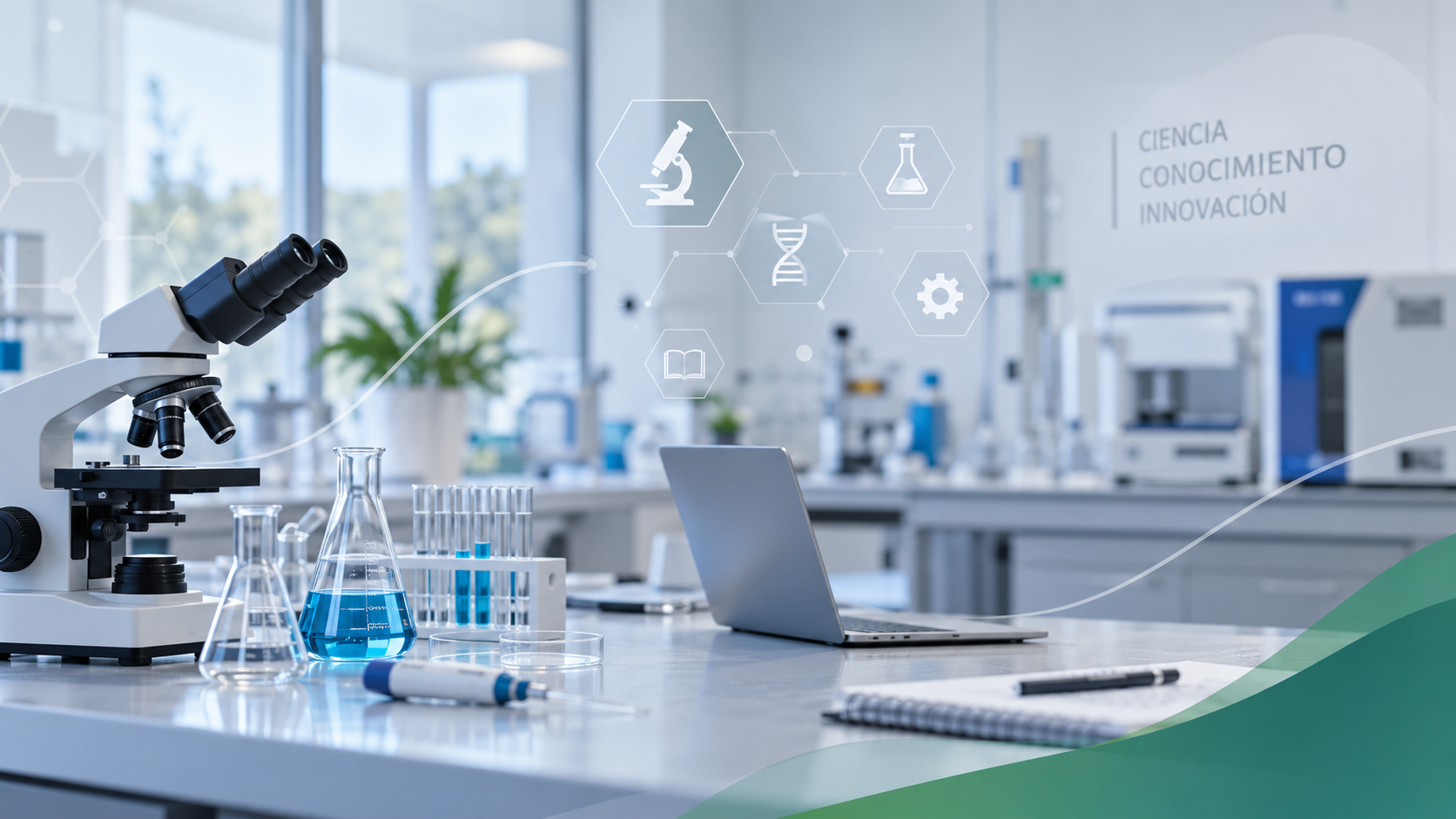
A space dedicated to practical academic work in biochemistry, microbiology, and parasitology applied to health. It is equipped with microscopes, centrifuges, autoclaves, water baths, pipettes, and measuring instruments that enable the preparation, observation, and analysis of biological samples, thereby contributing to the practical training of nursing students in the identification of microorganisms and parasites and in basic clinical laboratory procedures.

Equipment

Binocular microscopes

Centrifuges

Autoclaves (18 L and 24 L)

Electric water bath

Balance

pH meter

Automatic pipettes

Manual pipettes

Stopwatches

Test tube racks

Metal display cabinets

Gallery

Activities carried out

  • Microscopic observation of microorganisms, parasites and biological samples
  • Smear preparation and staining (Gram staining)
  • Morphological identification of bacteria, fungi and parasites
  • Centrifugation and separation of components from biological samples
  • Basic biochemical determinations and pH measurement
  • Volume handling and measurement with automatic and manual pipettes
  • Material sterilization using an autoclave
  • Biosafety practices and laboratory material handling
Laboratory activities

Scientific Journals